Professional Septic Design, Inspections & Installations on Vancouver Island and Gulf Islands

Reliable, certified septic system design, inspections, installations and consultations - tailored to your property.

Serving homeowners, builders and realtors with clear communication and dependable results.

Certified Registered Onsite Wastewater Practitioner (ROWP) | Fully Insured | Locally Owned | Female Founded


OUR SERVICES


Contact

If you’re planning a real estate septic inspection, system design or installation, get in touch to discuss your project and next steps. Please include your property location and a brief description of your needs and we’ll be in touch within the next business day.

ABOUT

About

Arbutus Septic is a locally owned onsite wastewater company serving coastal British Columbia. The company provides septic inspections, system design and installations that are practical, code-compliant and focused on reliable, long-term system performance.Arbutus Septic provides services delivered by a Registered Onsite Wastewater Practitioner (ROWP) with a Bachelor of Engineering and extensive field experience across a range of wastewater systems. Project experience includes performance inspections for real estate transactions and compliance inspections, as well as system design and installations. Each system is evaluated, designed and installed with careful consideration of site conditions and suitability for the property.Professionalism and collaboration are central to how Arbutus Septic operates. The company works closely with homeowners, builders and regulators to ensure each project meets current standards while protecting groundwater and the surrounding environment. Clear communication and alignment with project goals allow clients and subcontractors to move forward with confidence, knowing the work is being handled carefully and competently.From initial assessment through to final documentation, Arbutus Septic delivers reliable wastewater solutions you can trust.

Consulting & design

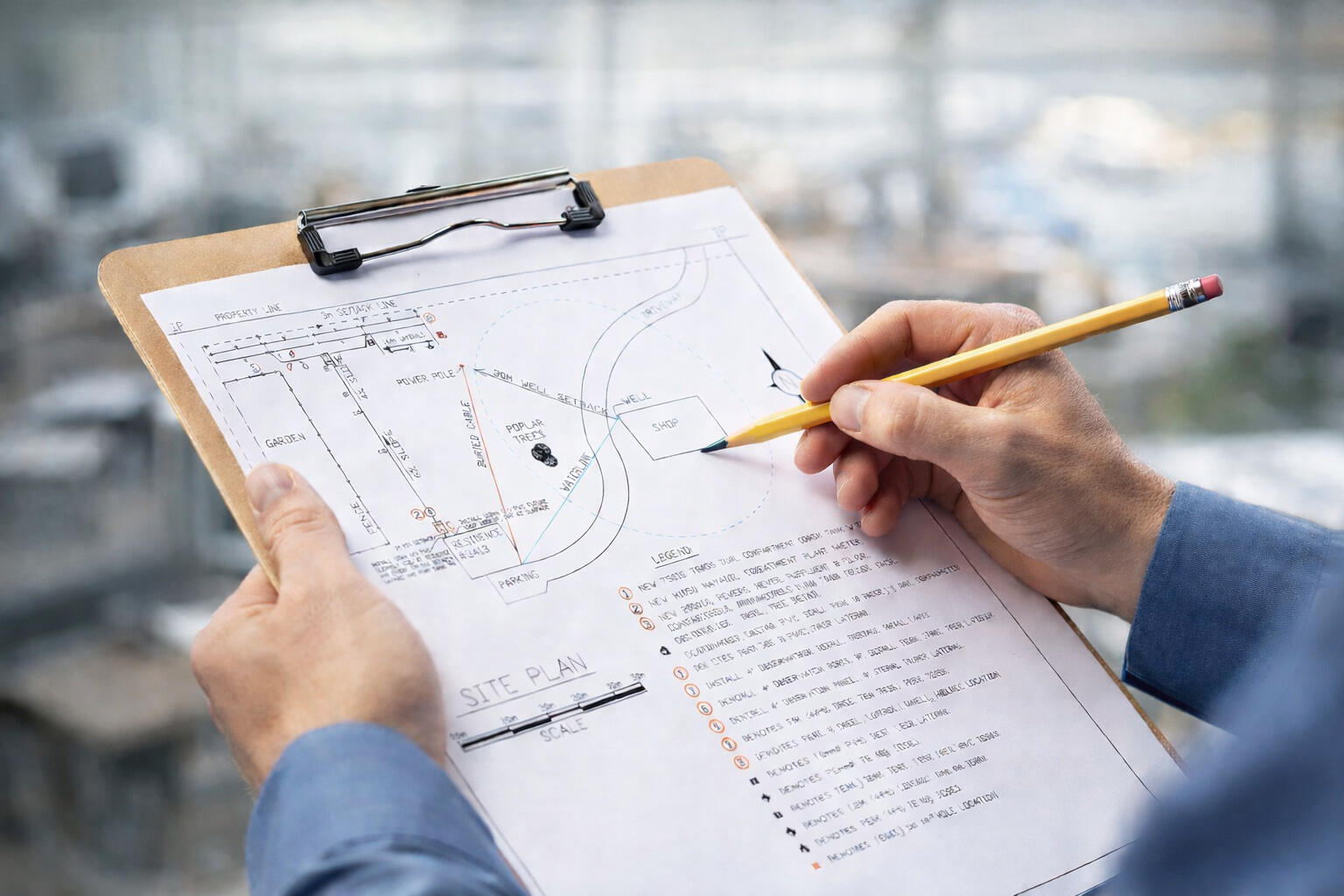
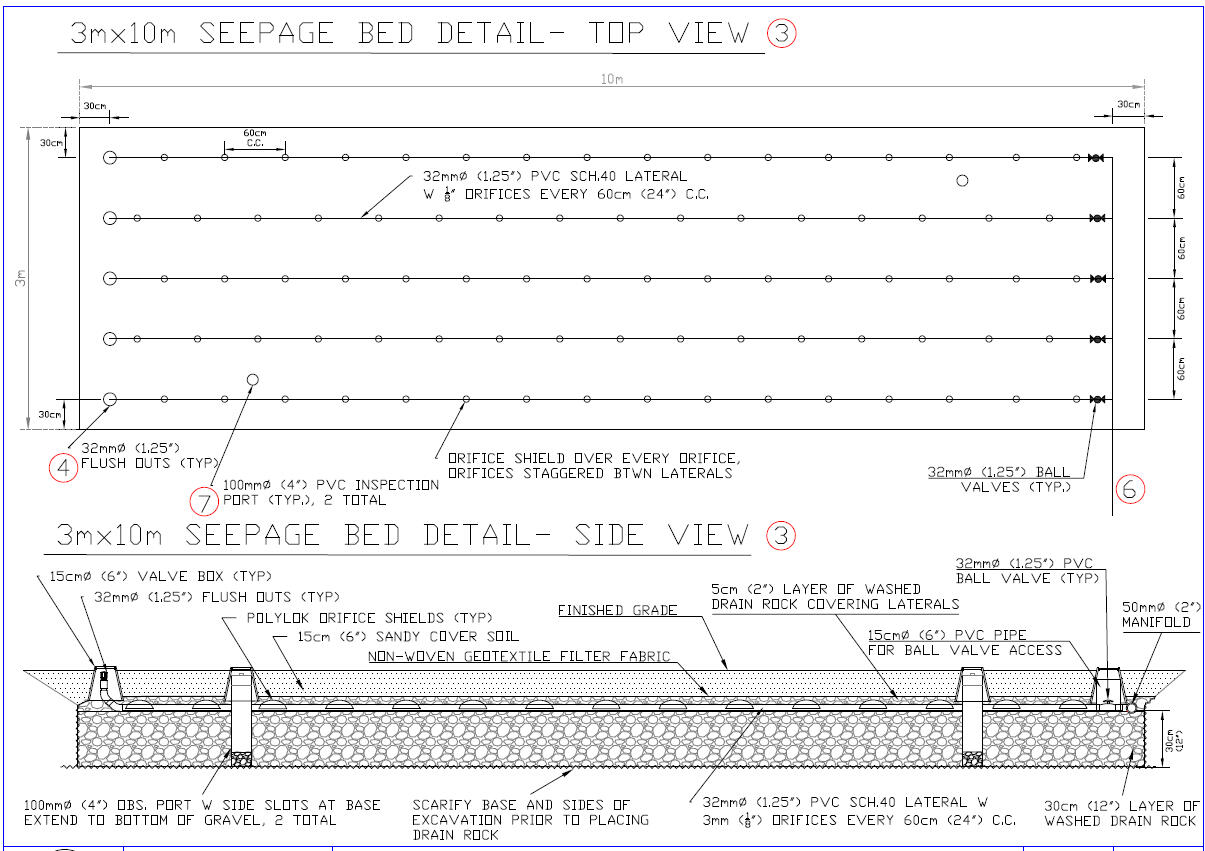
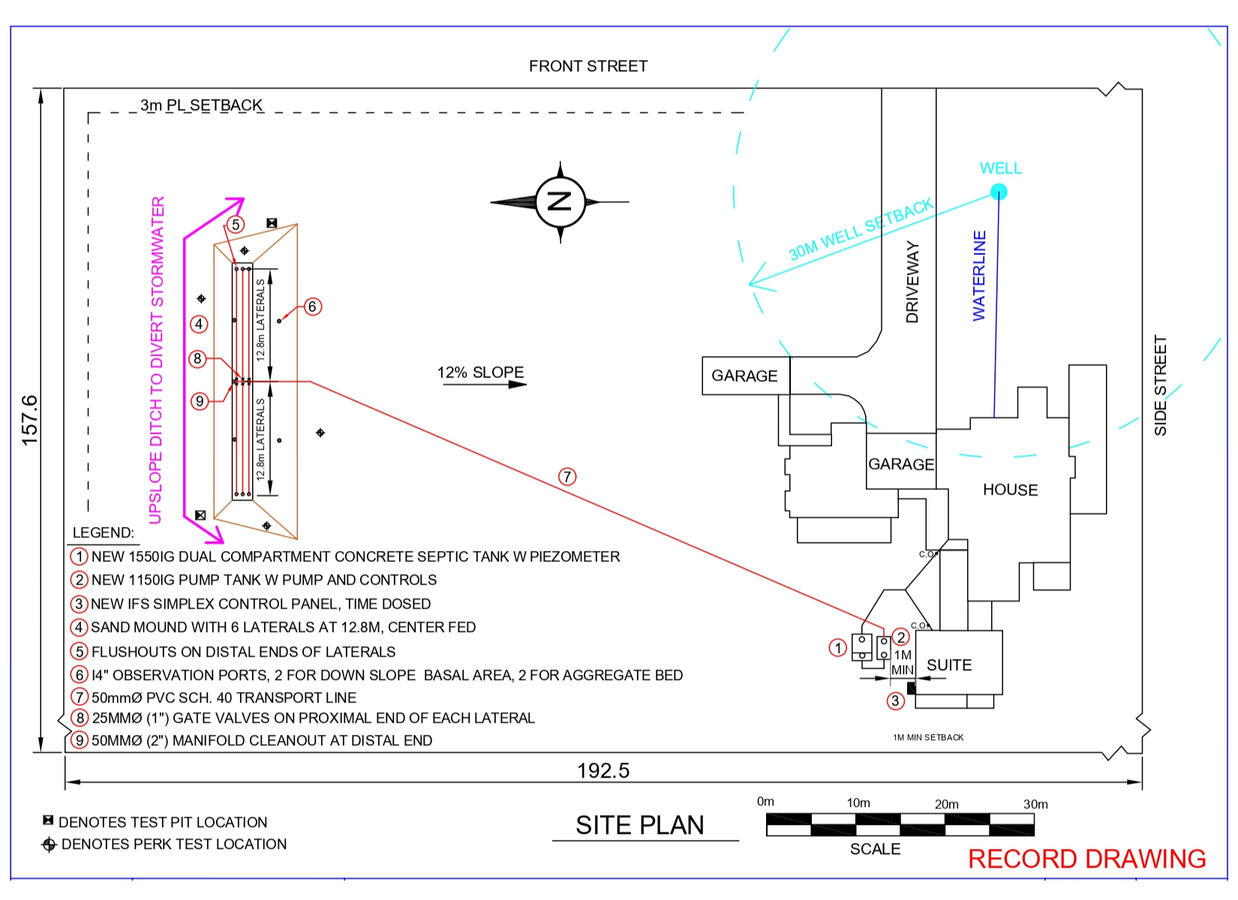
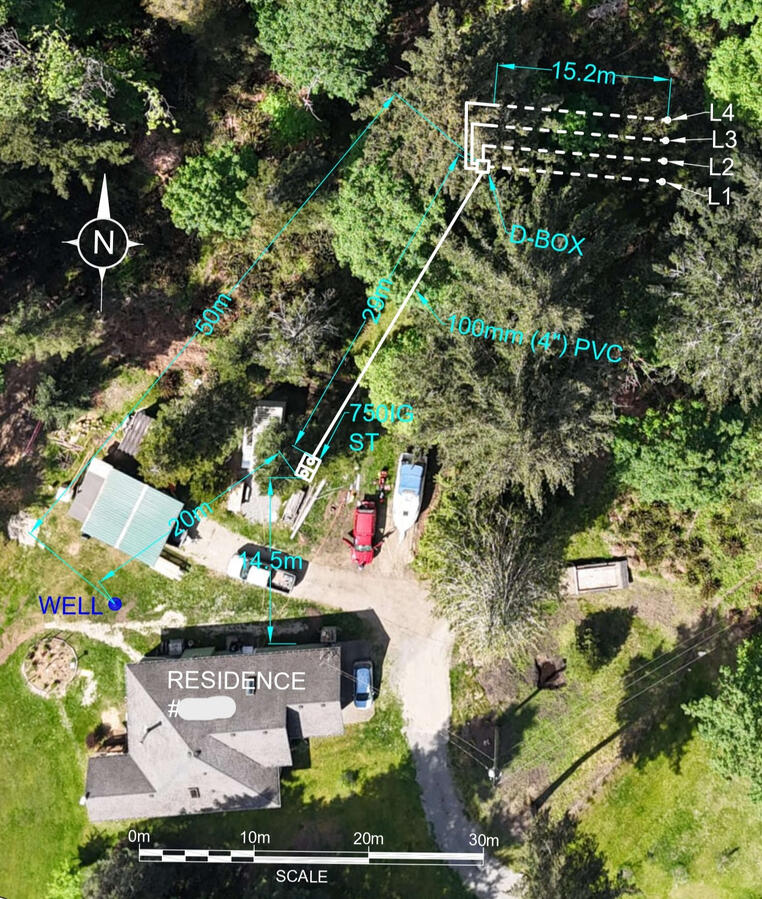
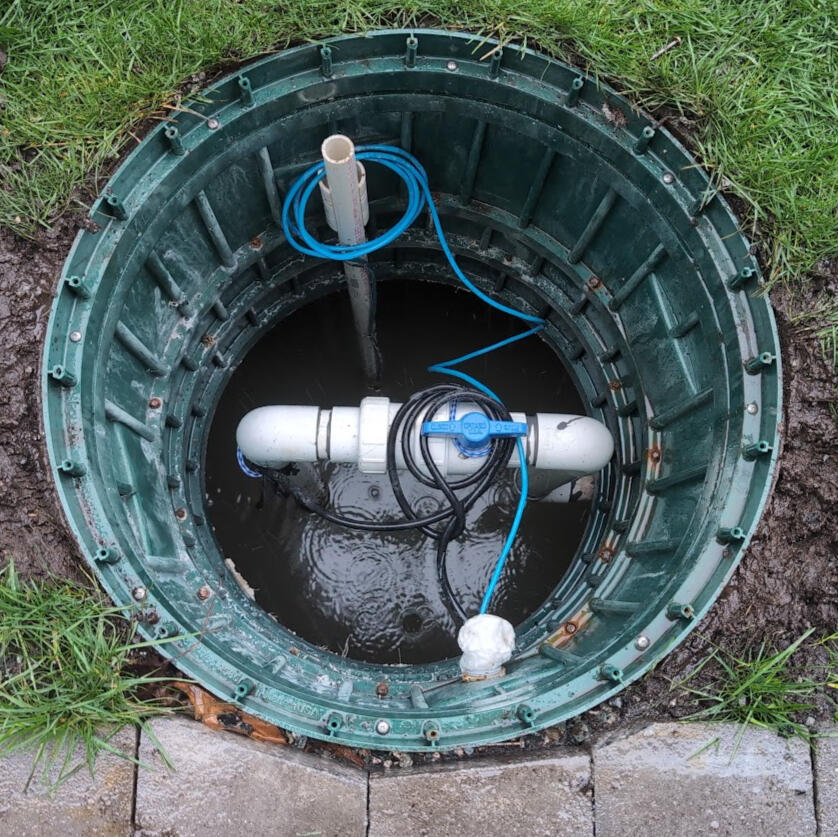
A properly designed septic system is the foundation of long-term performance, environmental protection and regulatory compliance. At Arbutus Septic, we tailor each system design to your unique property conditions — including soil characteristics, site topography and household or building needs — ensuring efficient wastewater treatment that meets the highest standards. Whether you’re planning a new build or upgrading an existing system, we provide custom, well-documented designs that support a smooth permitting approval process.Our designs are completed in accordance with British Columbia’s Sewerage System Regulation and the Ministry of Health’s Standard Practice Manual. These standards are required for building permits, subdivision approvals, occupancy and suite or addition applications throughout British Columbia.Considering the purchase of a vacant lot?
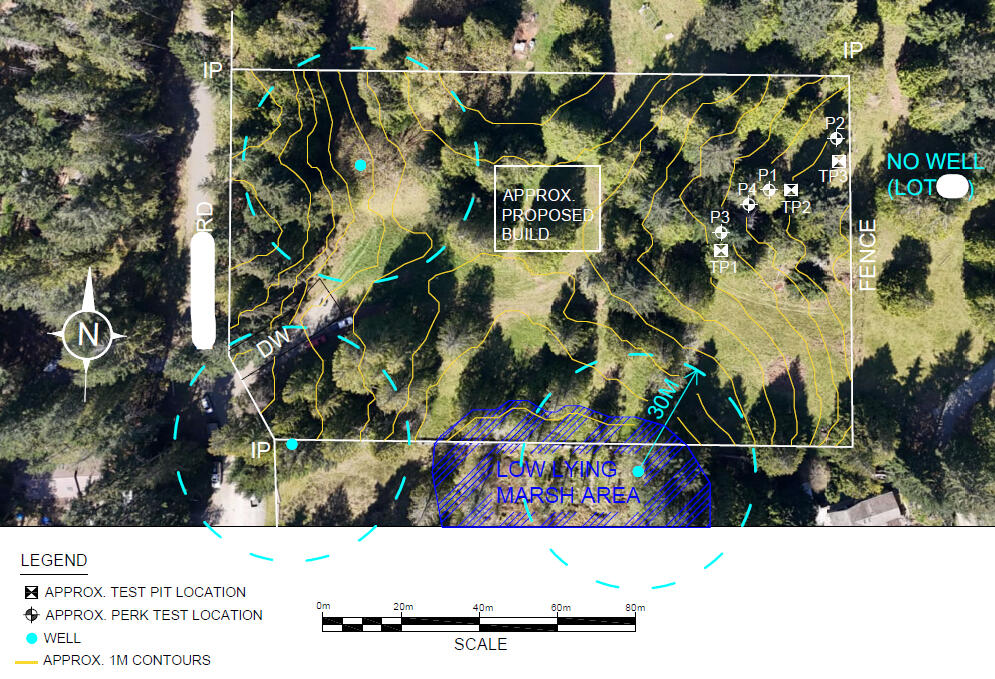
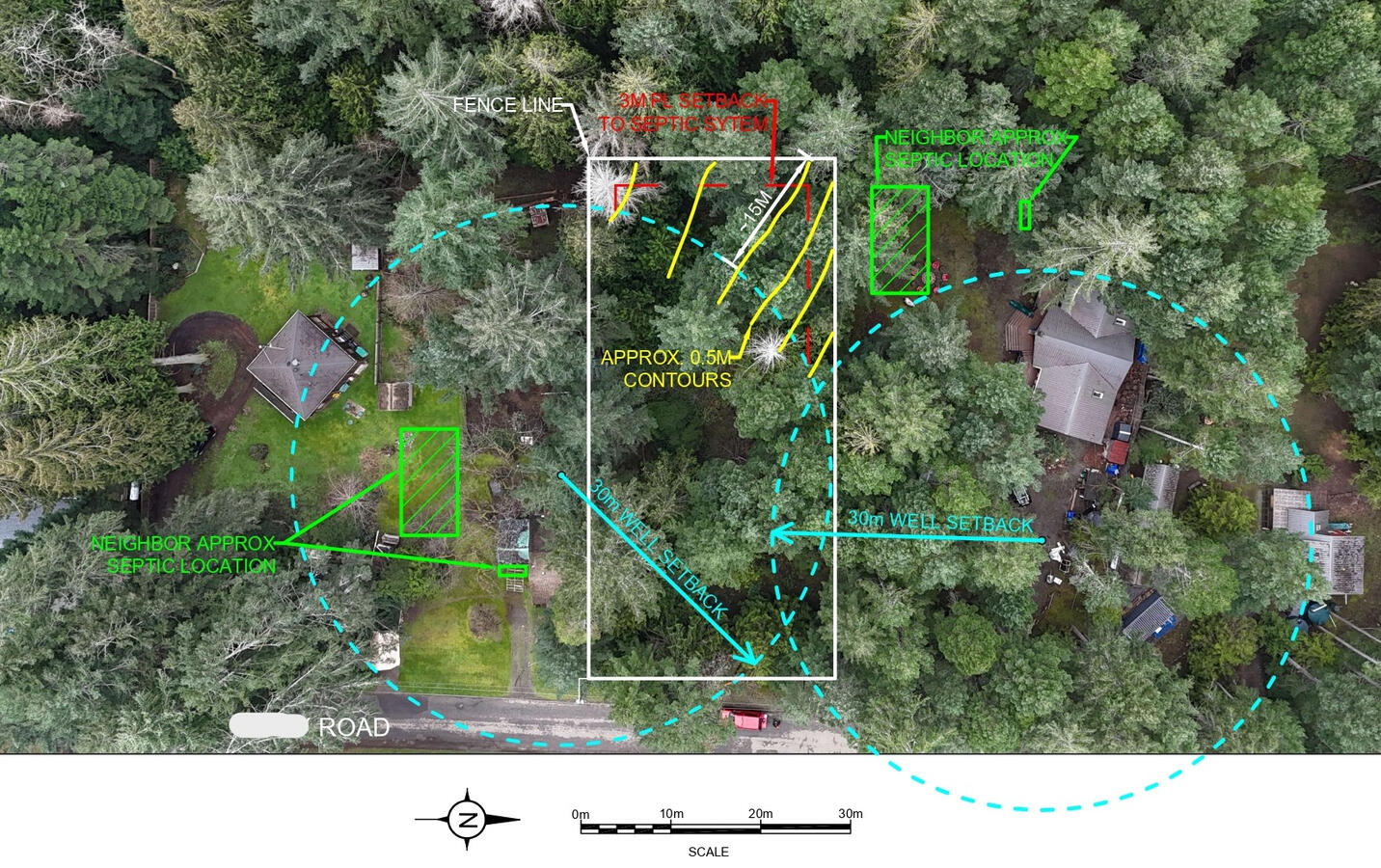
We also provide pre-purchase septic feasibility assessments to determine whether a property can reasonably support an onsite wastewater system. This includes reviewing setback requirements from neighbouring wells and utilities, conducting site and soil evaluations and identifying suitable onsite wastewater areas. Early evaluation reduces risk and allows you to proceed with confidence before committing to purchase.
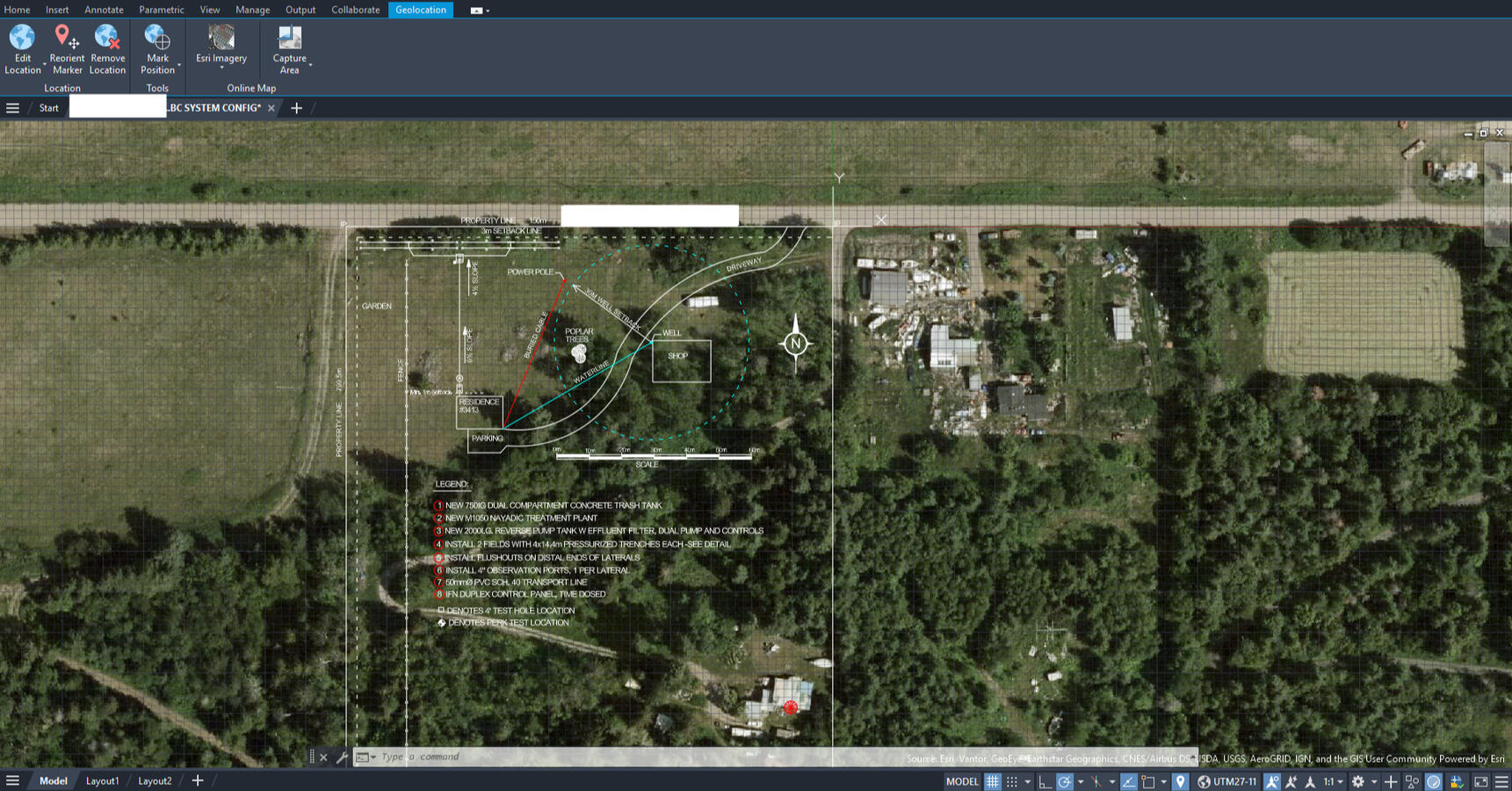
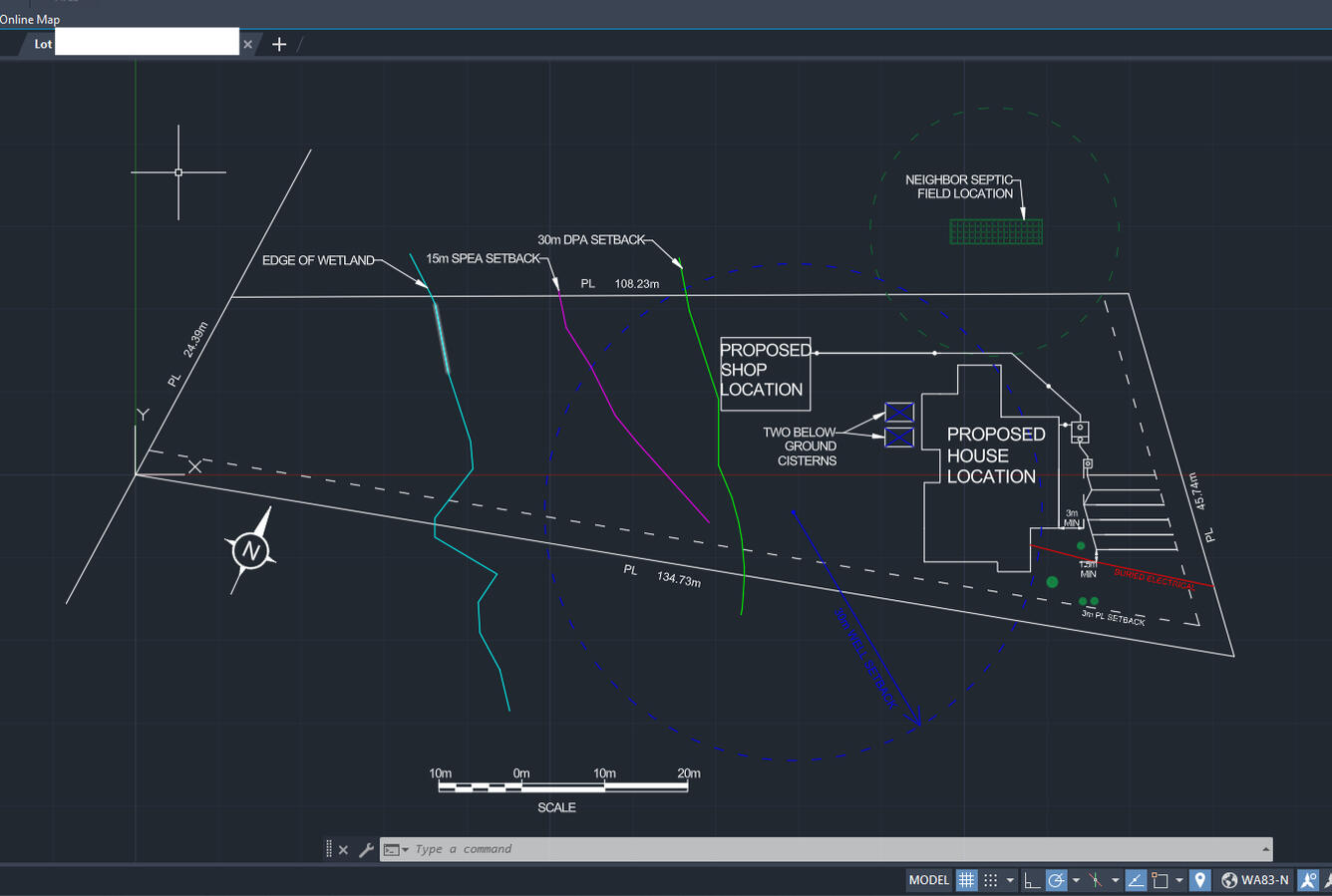
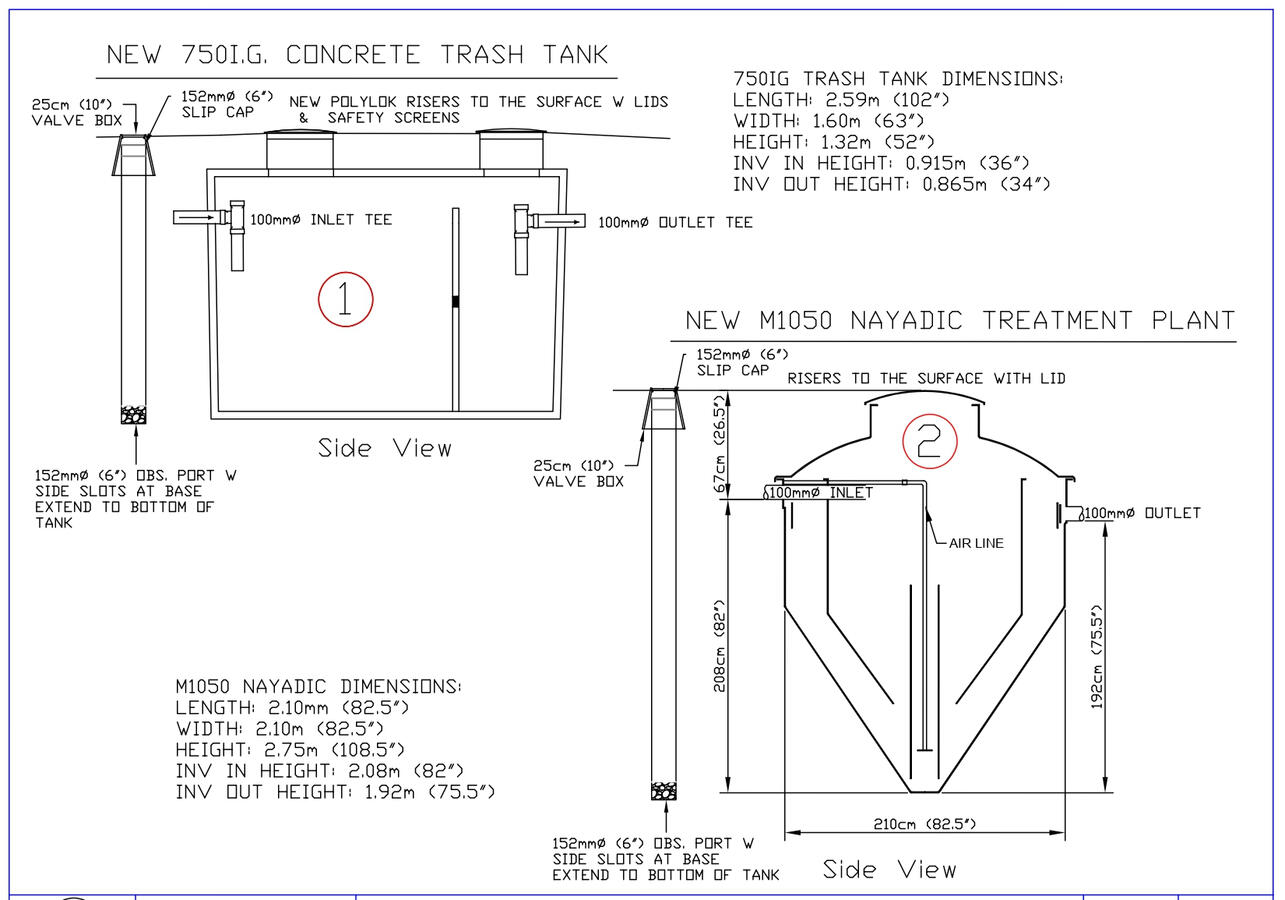
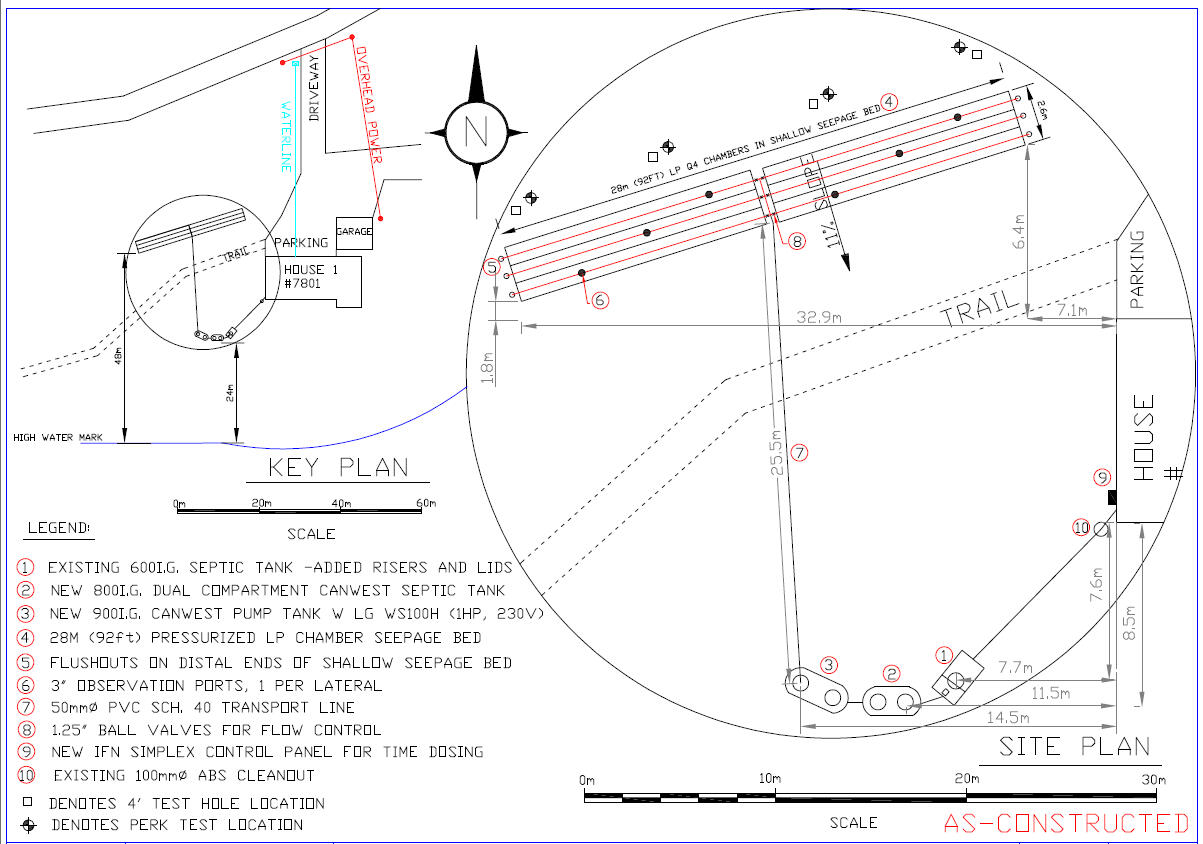
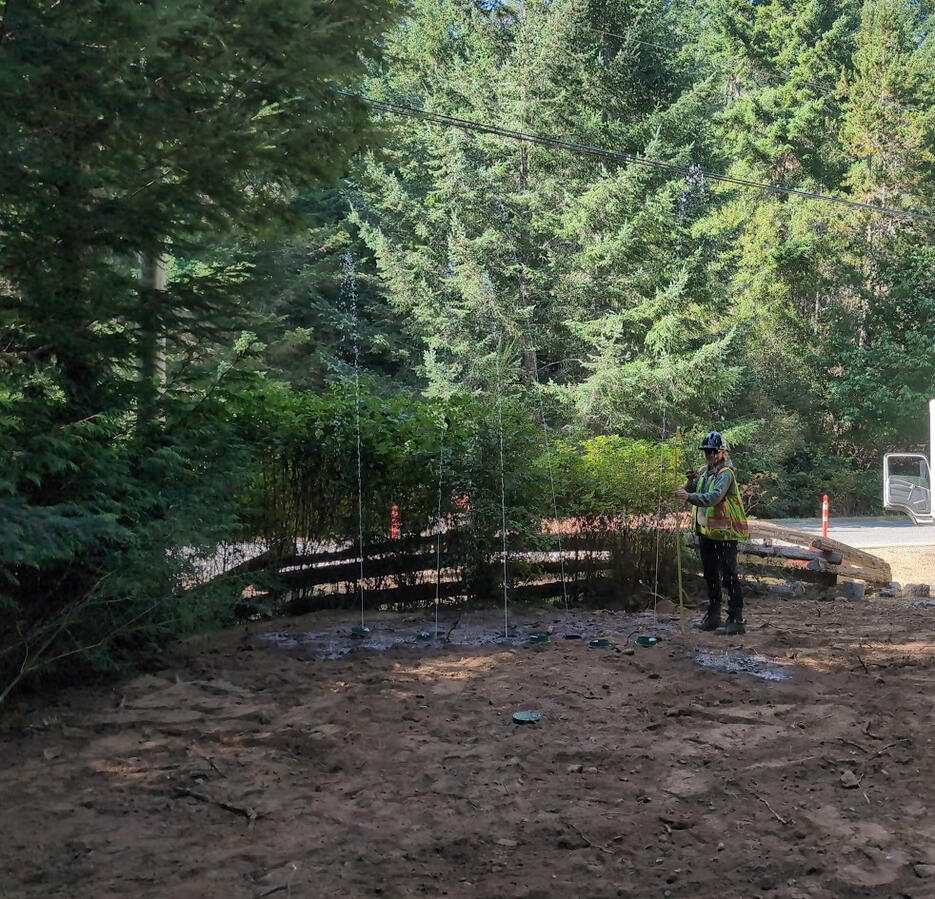
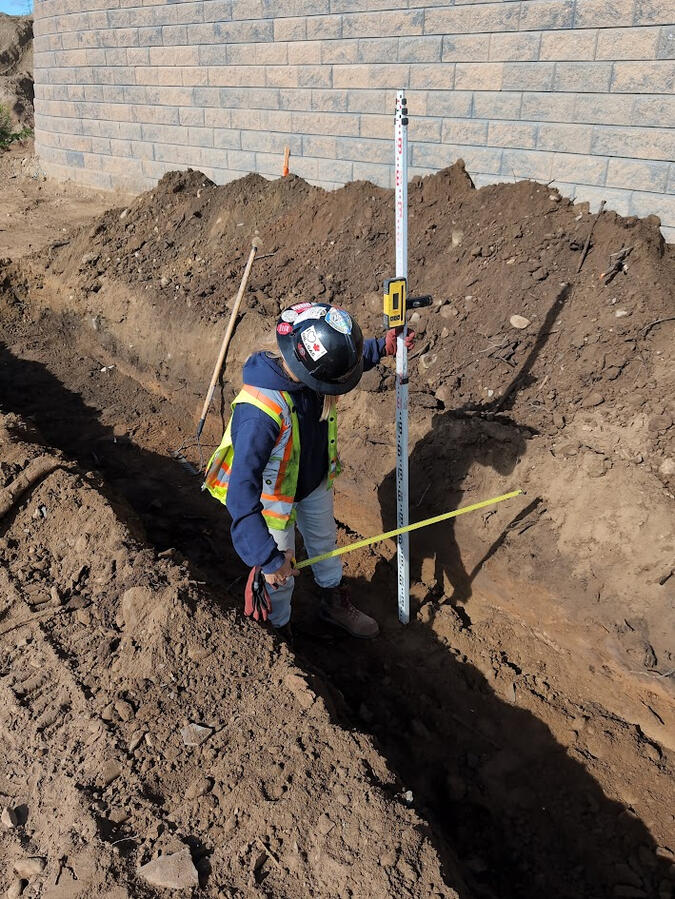
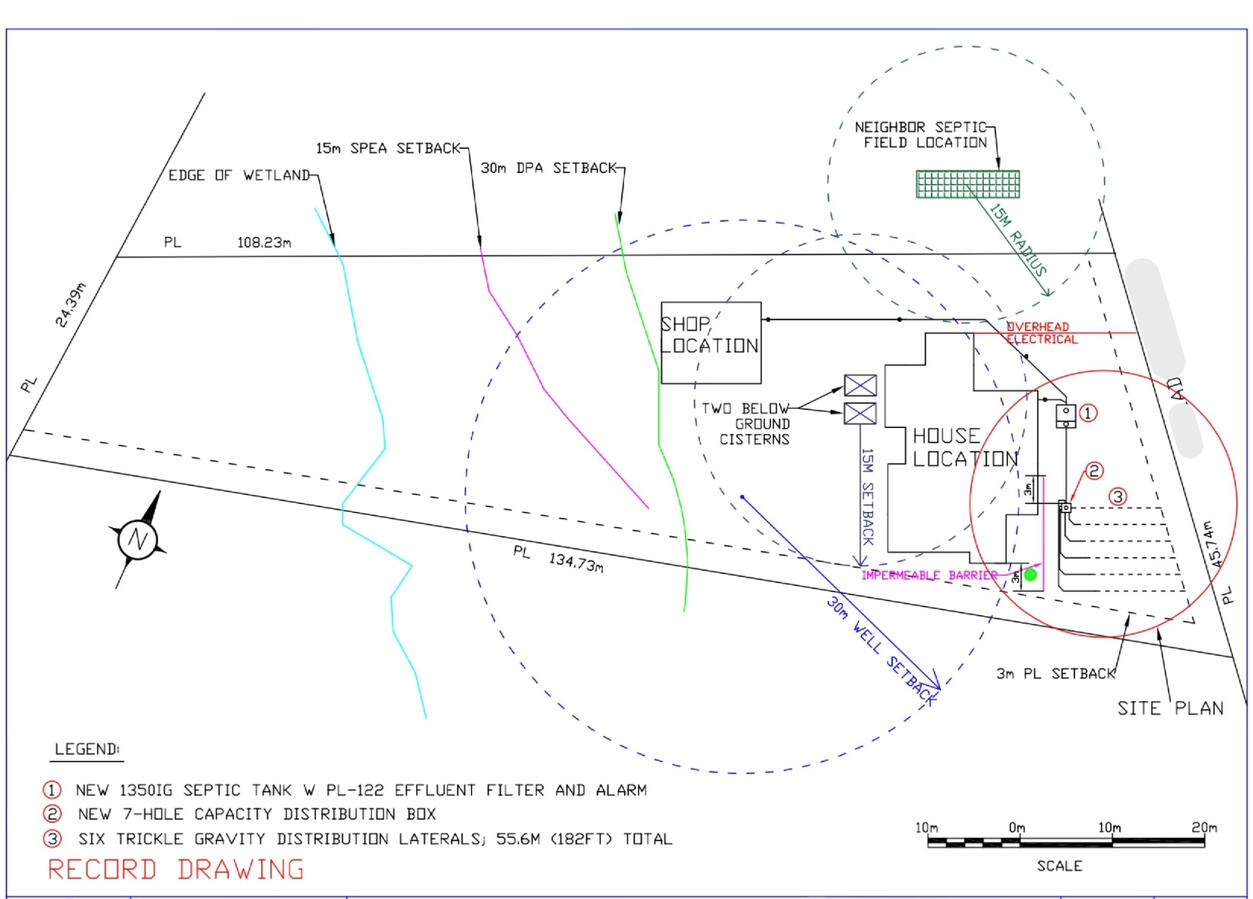
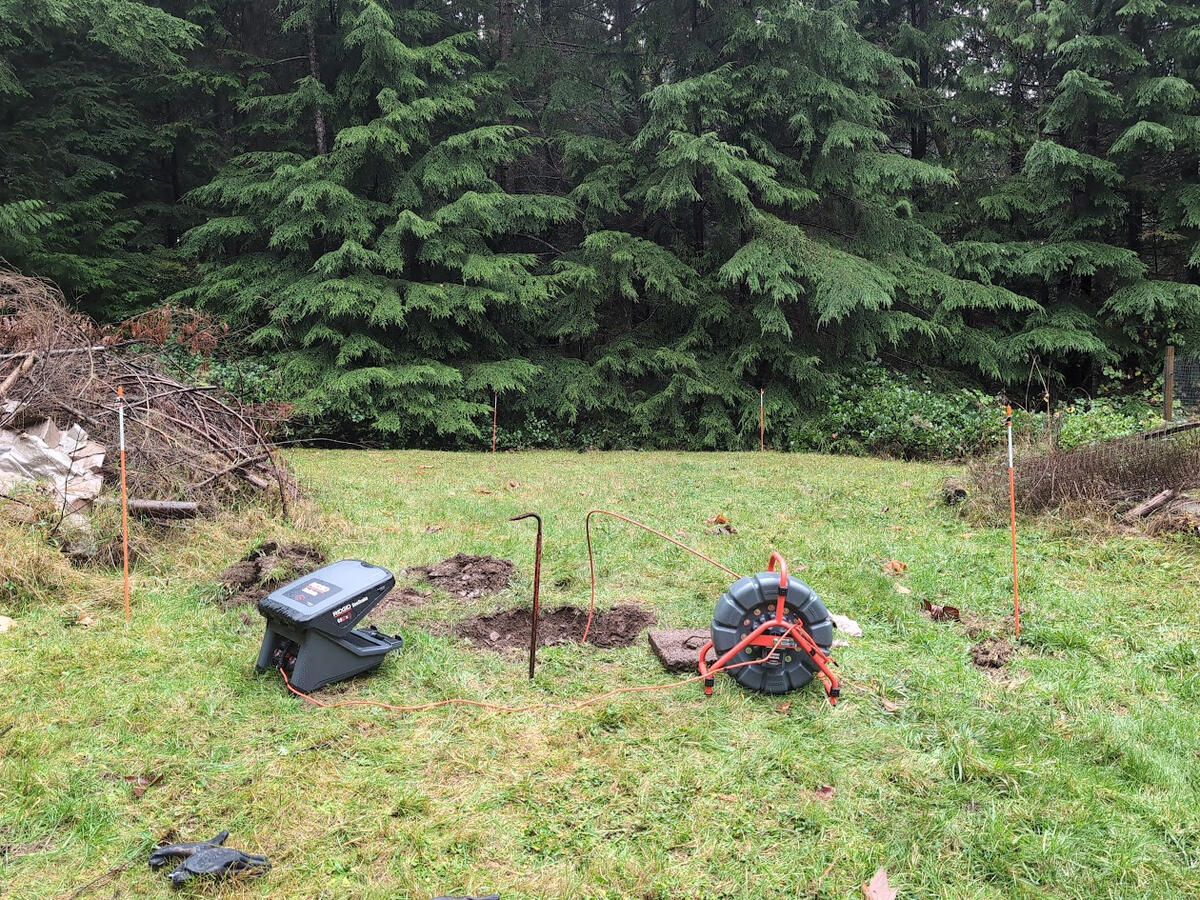
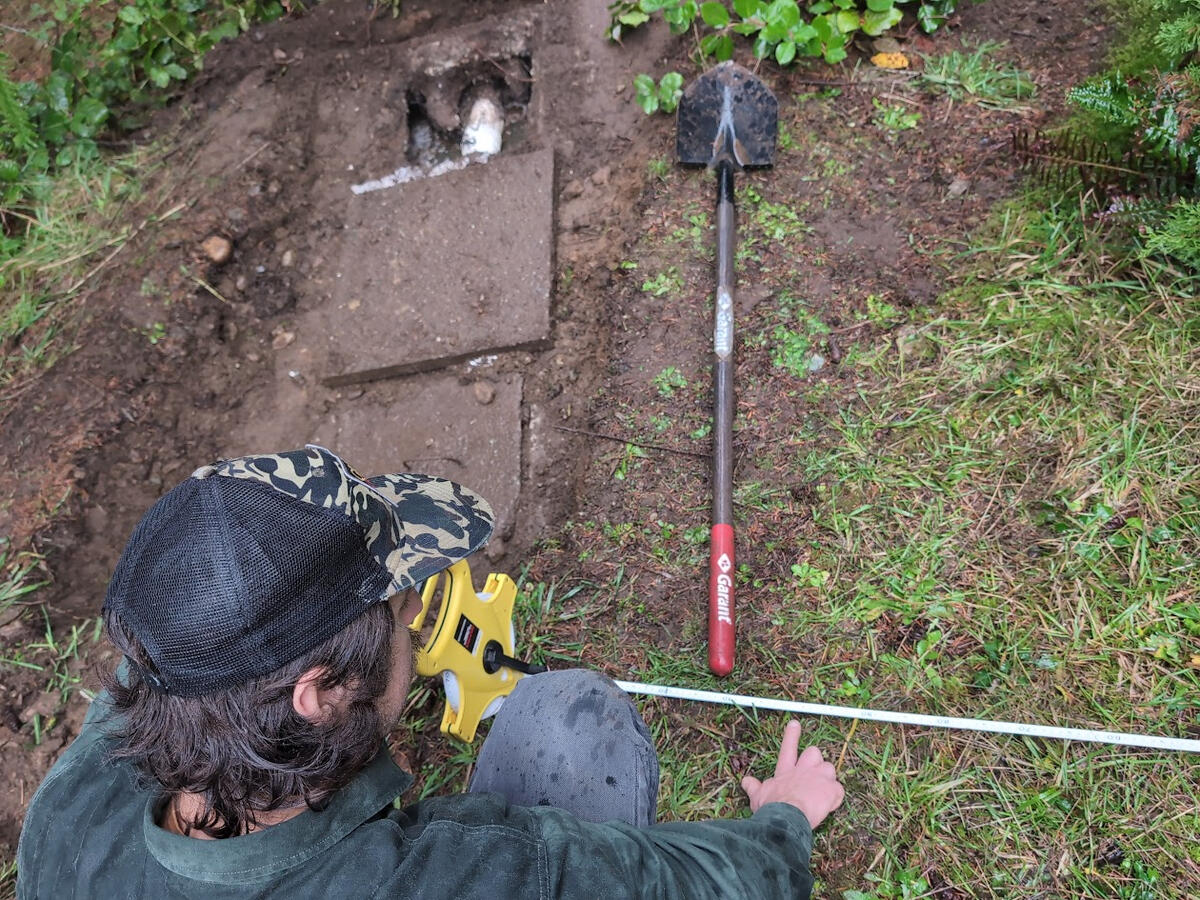
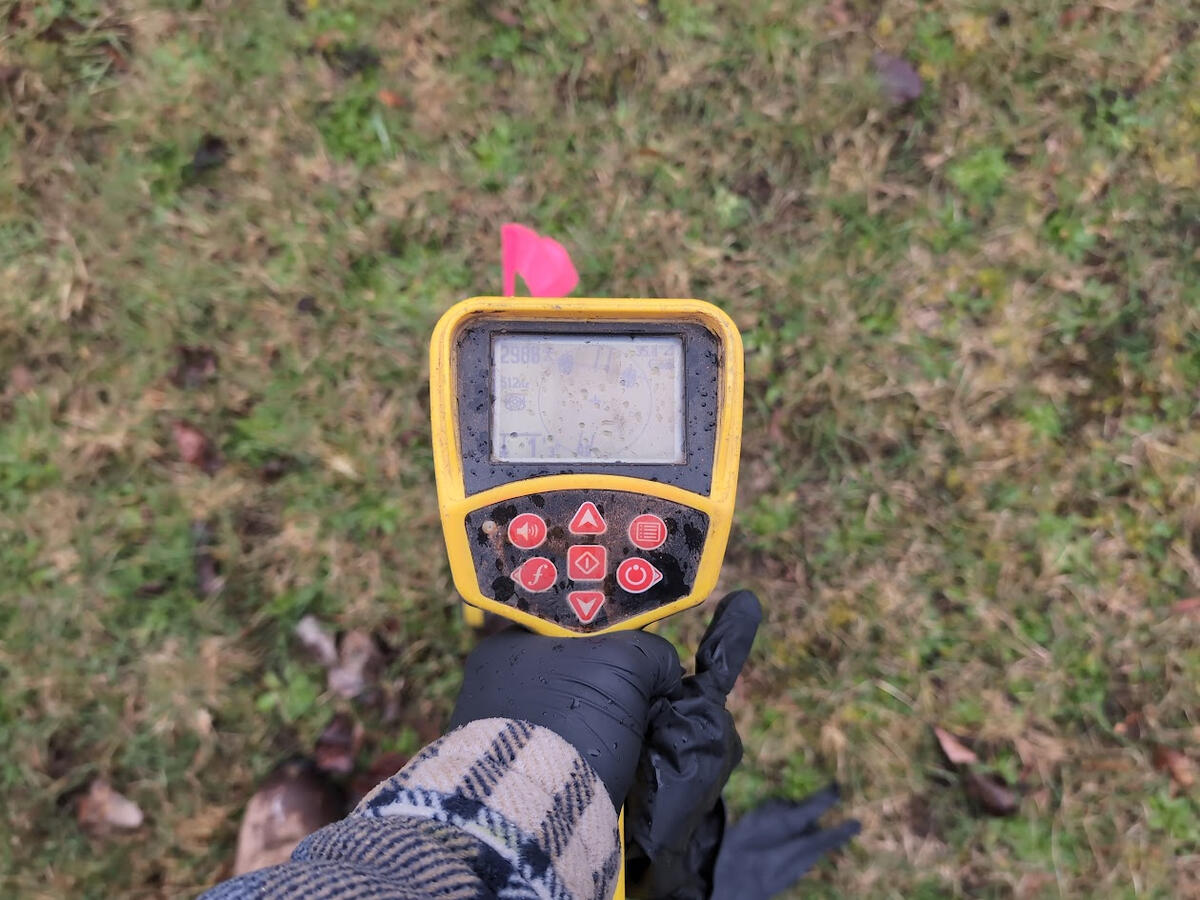
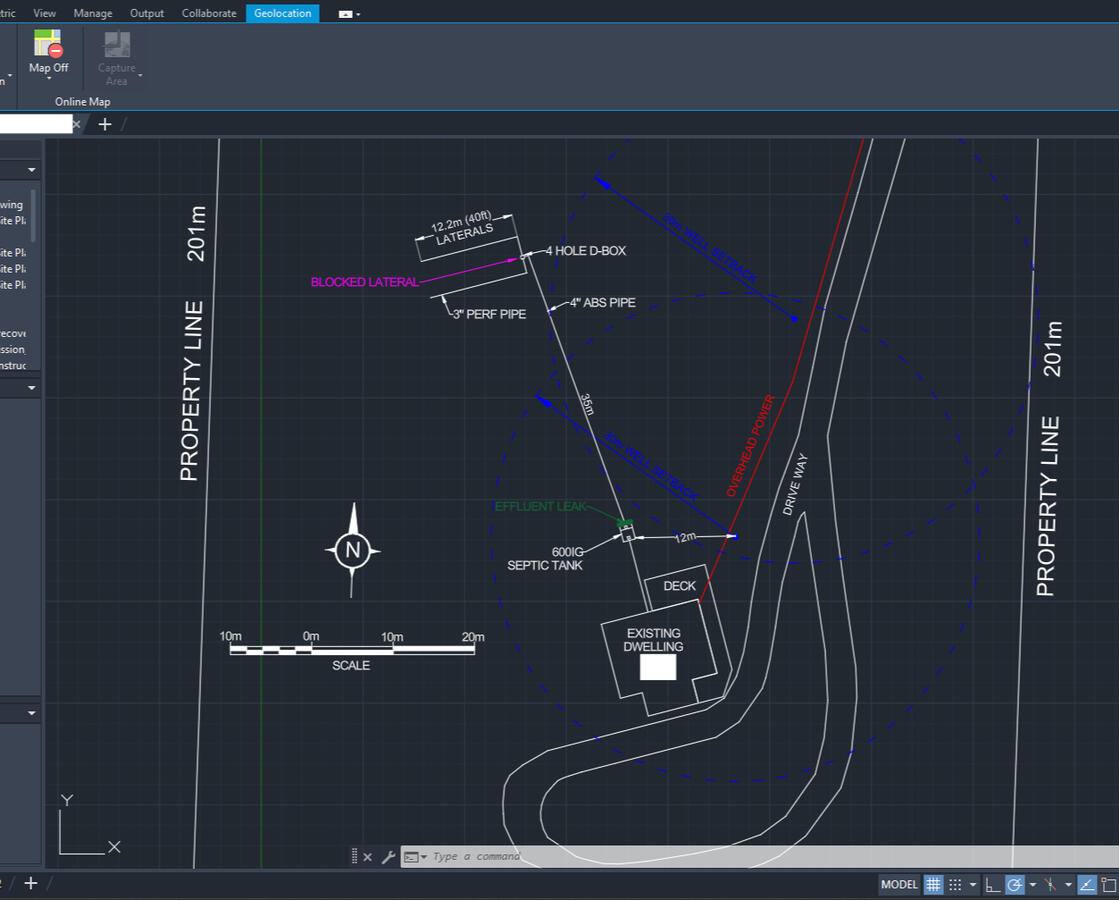
We utilize AutoCAD for precise design layouts, drone imagery to assess terrain and site conditions and specialized locating equipment to identify existing utilities. This integrated approach supports accurate design, safe installation and long-term system performance.

.

installation

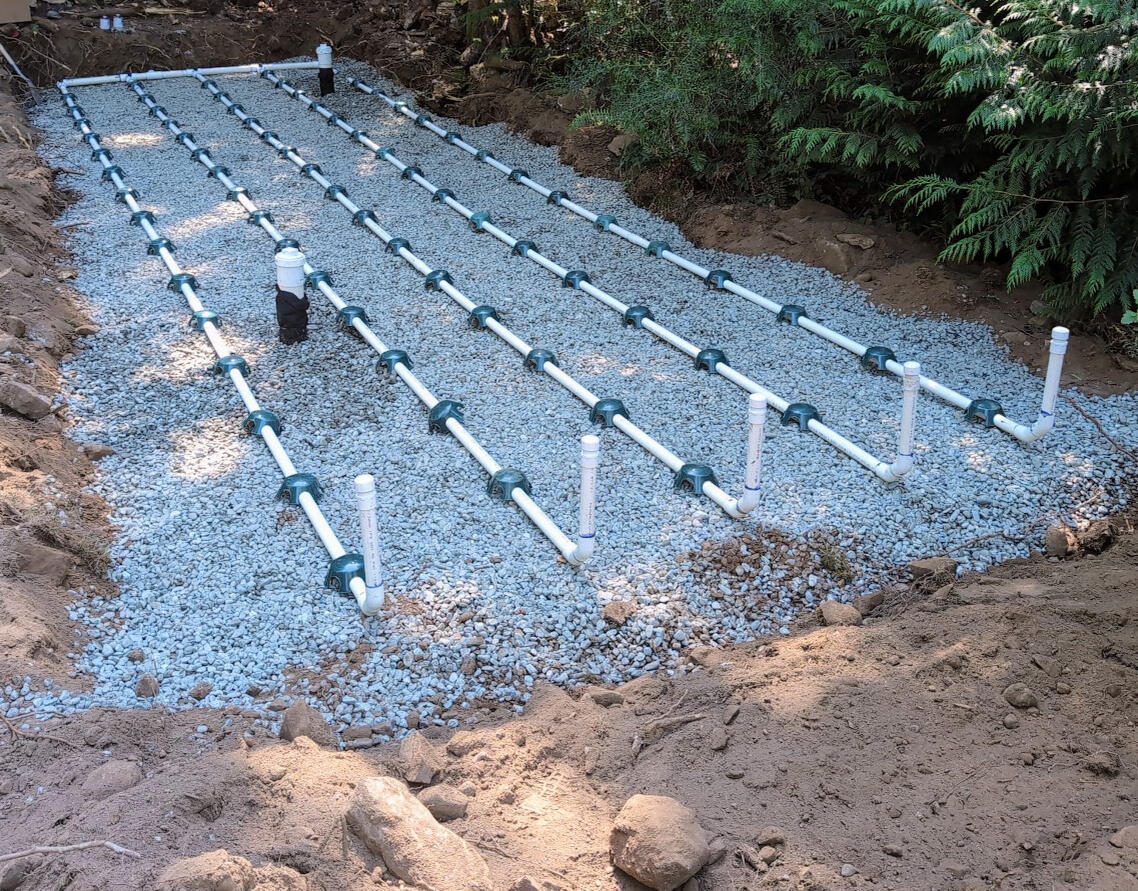
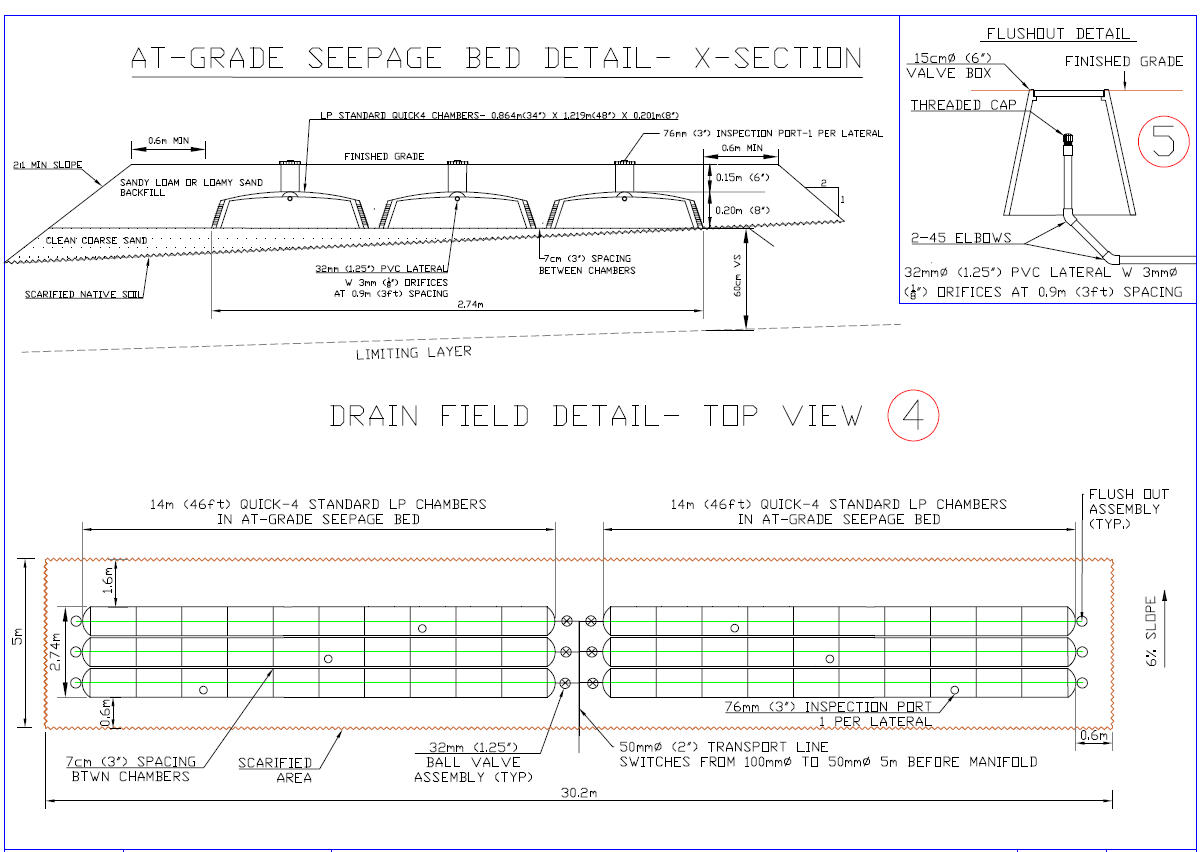
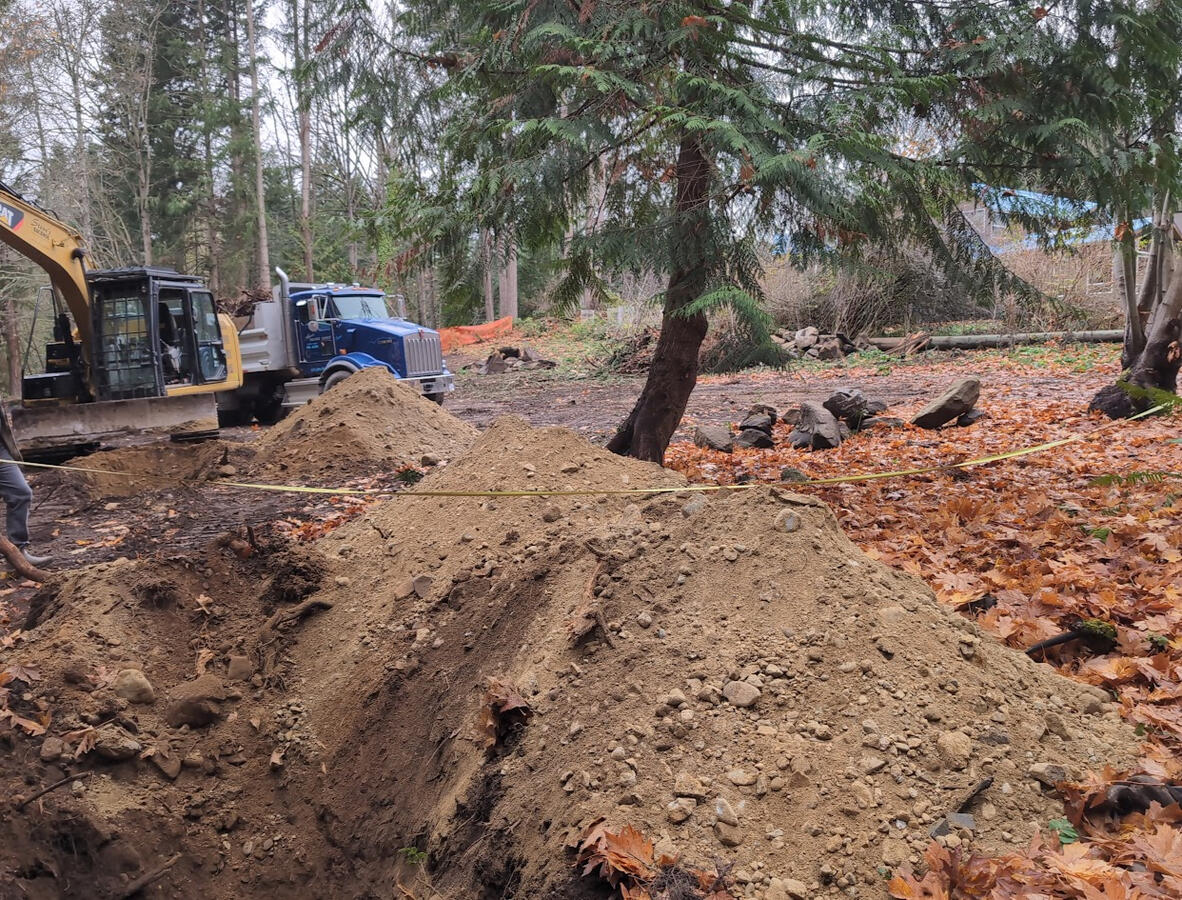
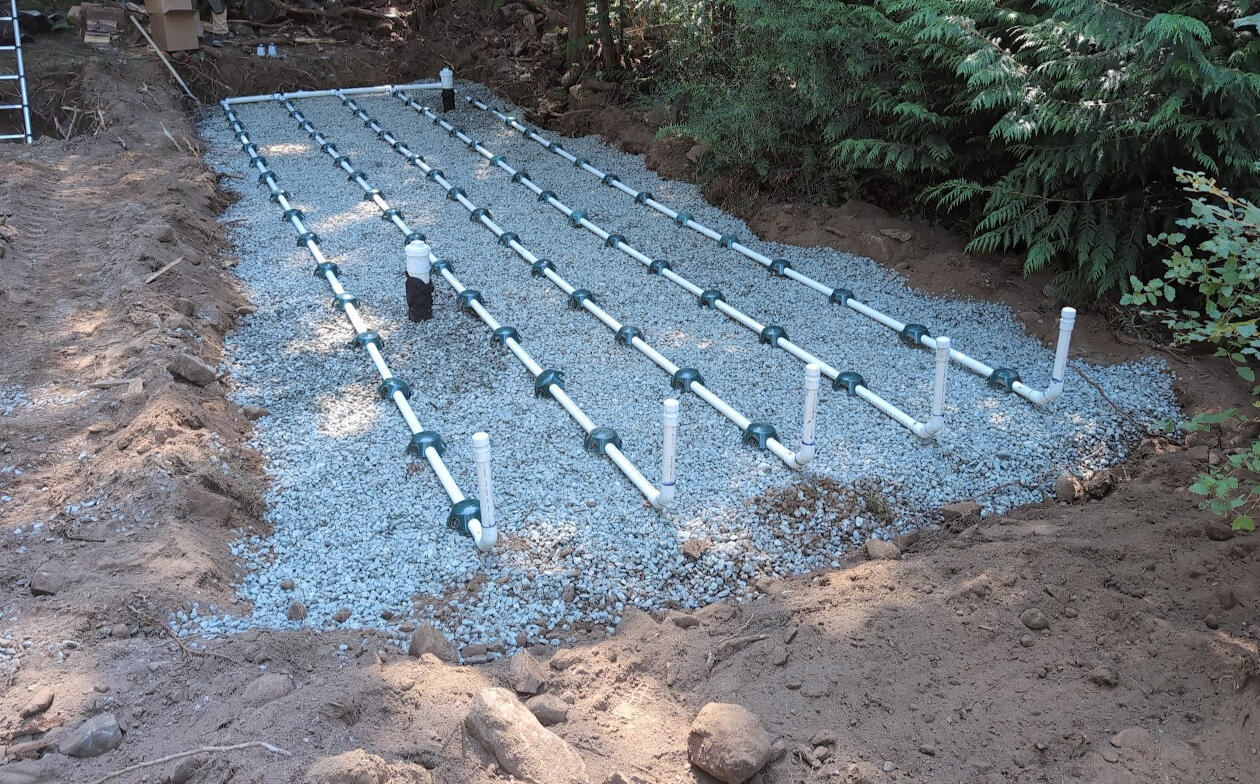
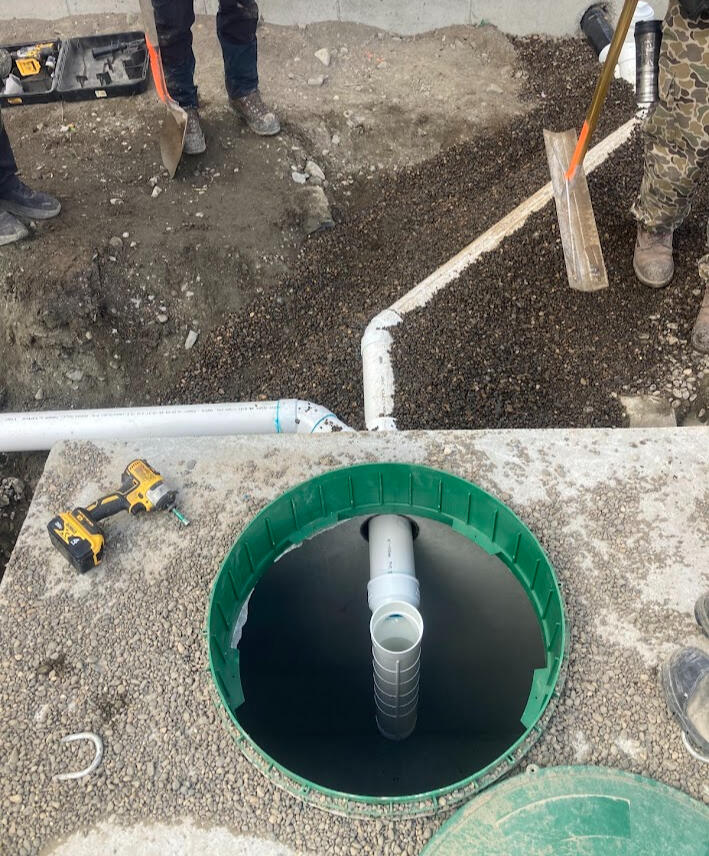
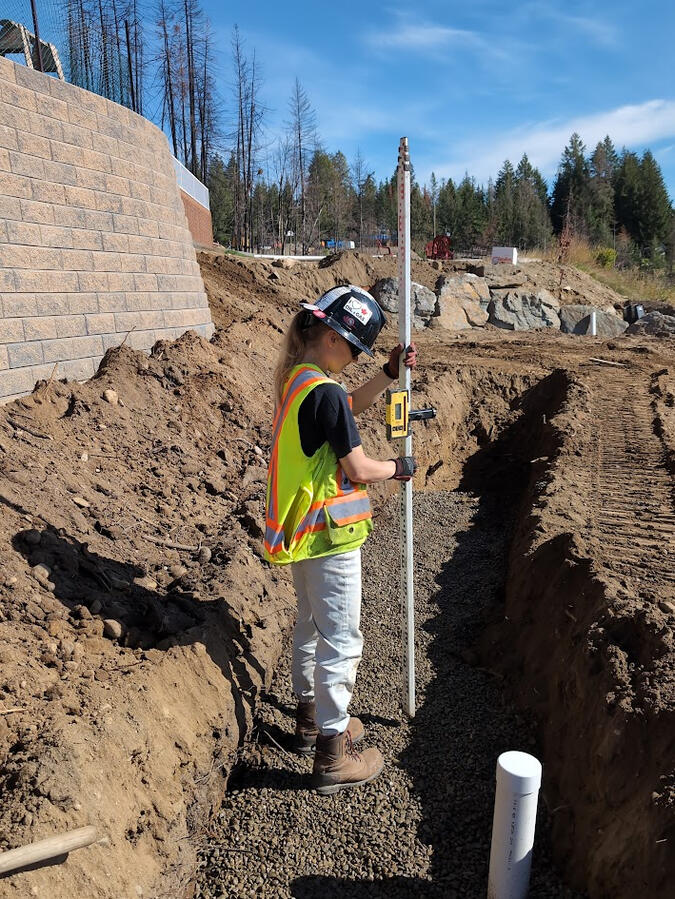
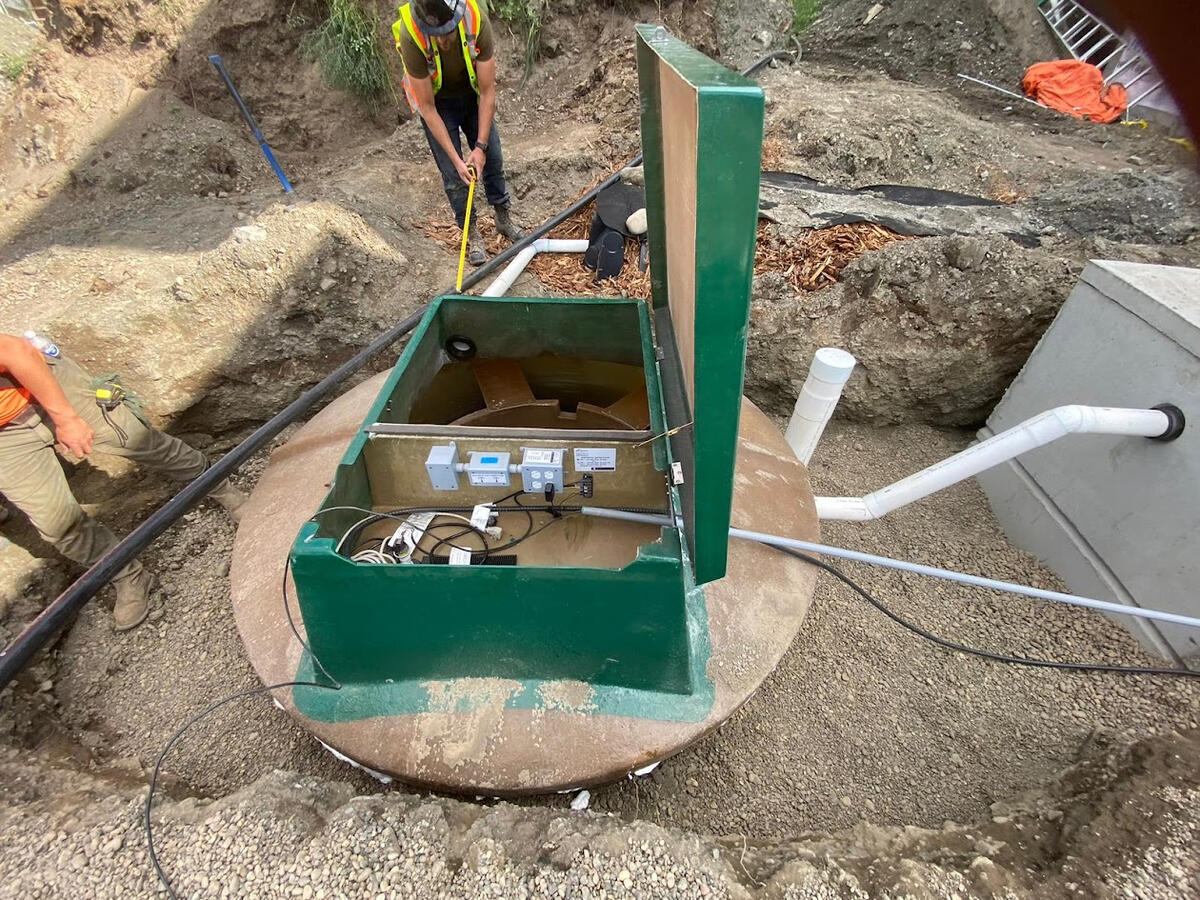
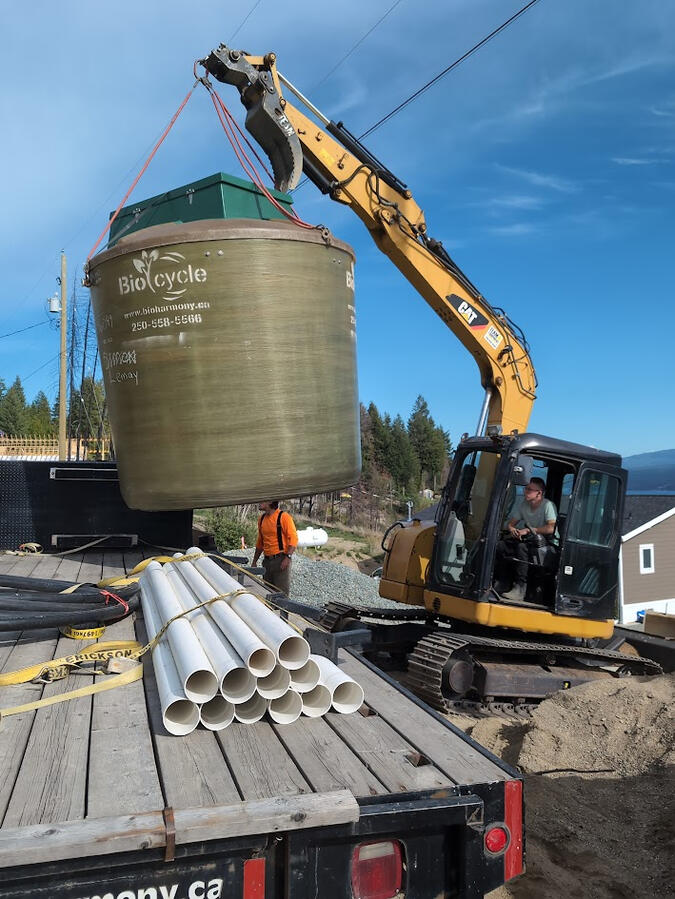
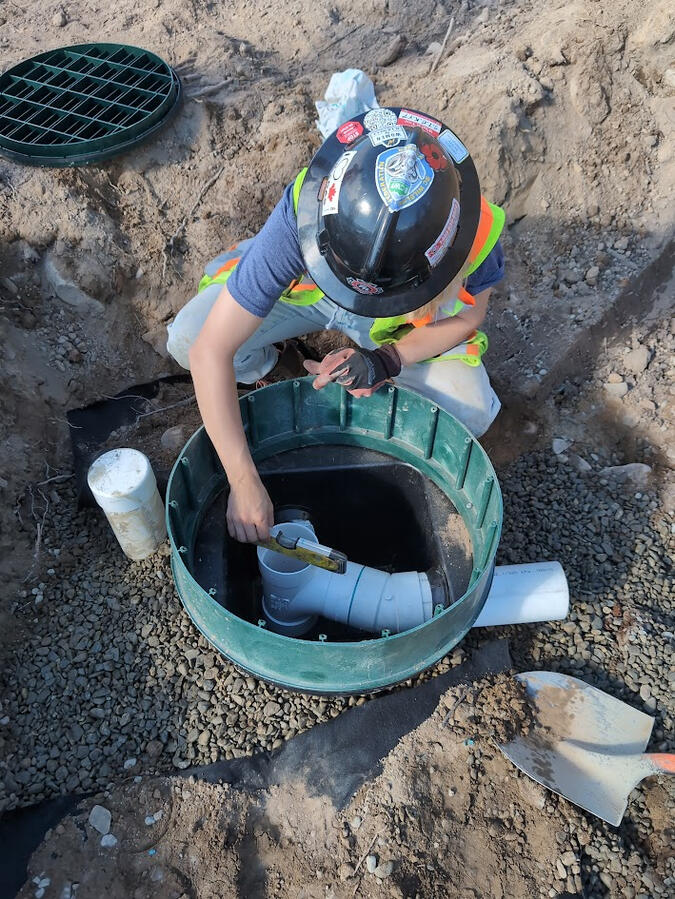
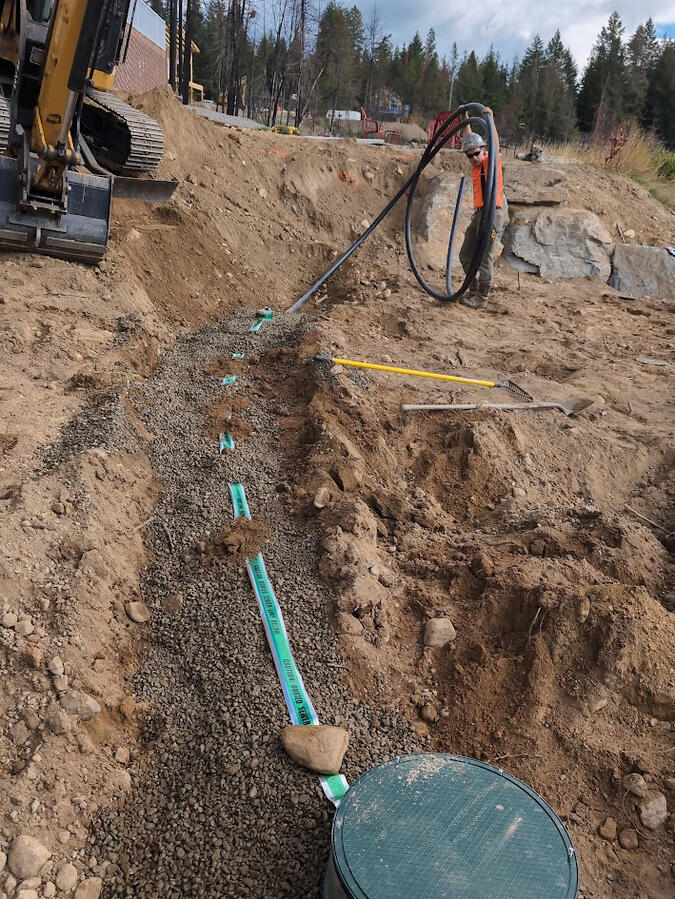
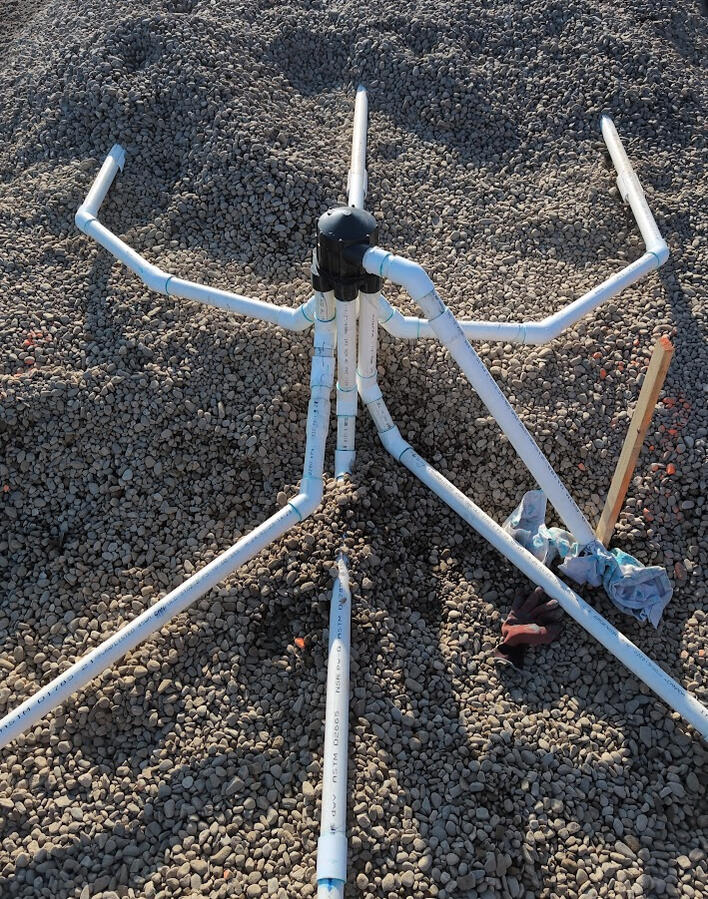
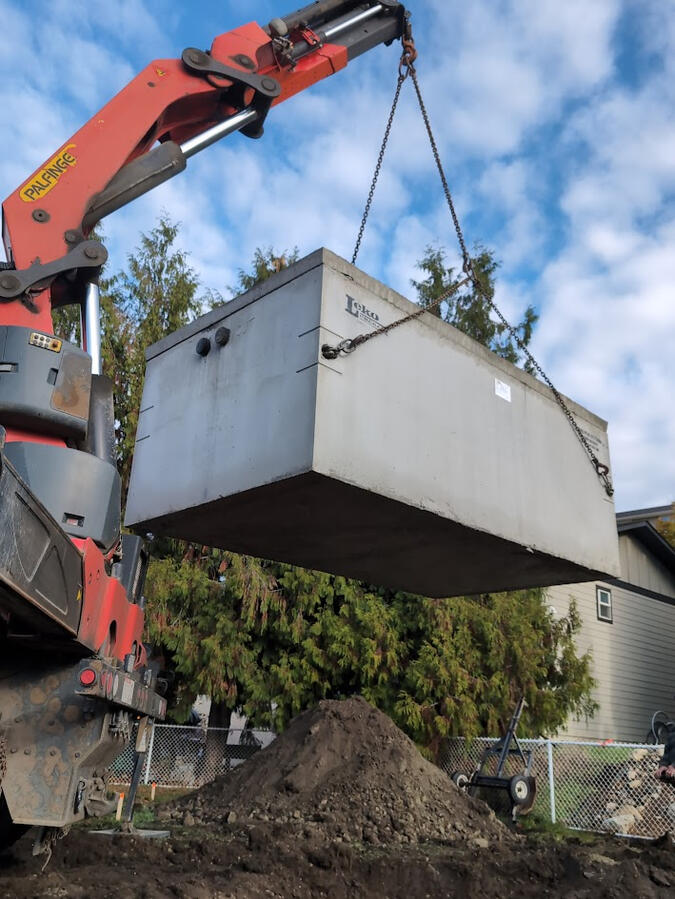
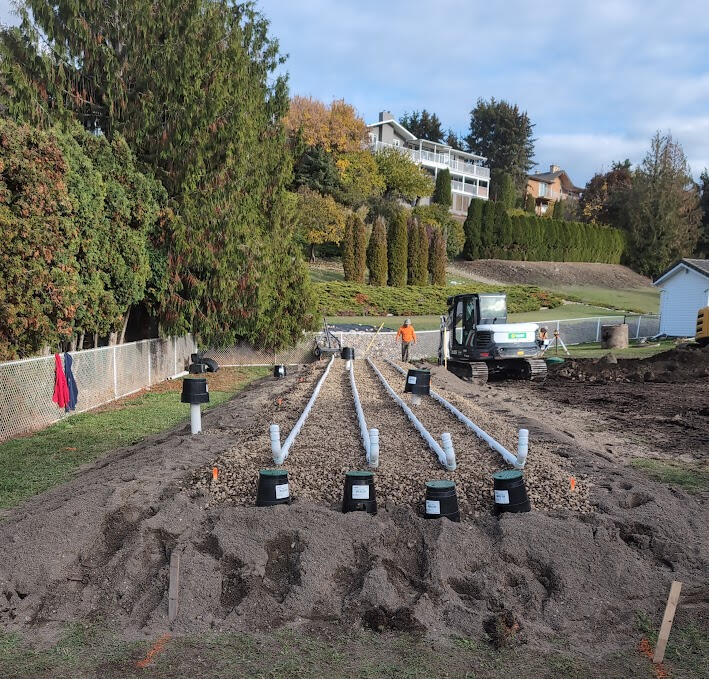
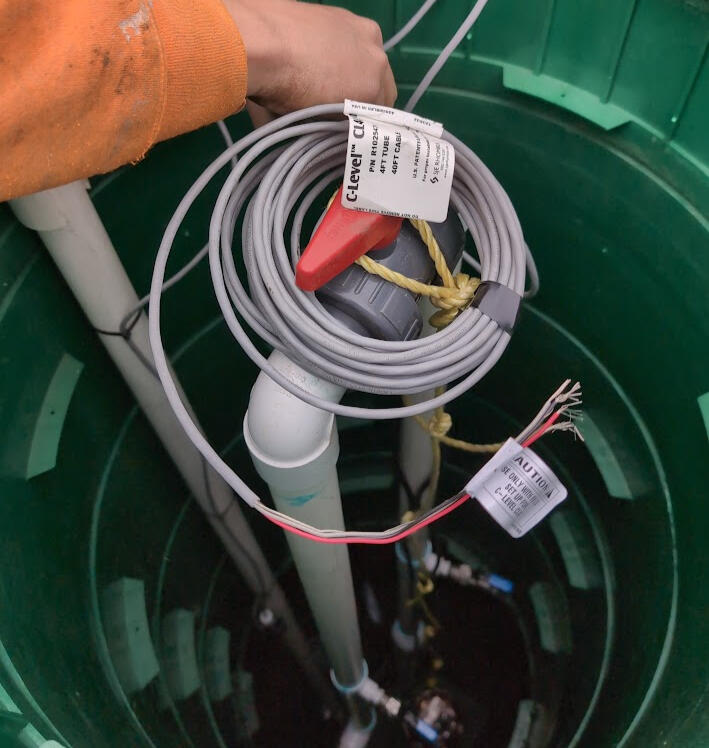
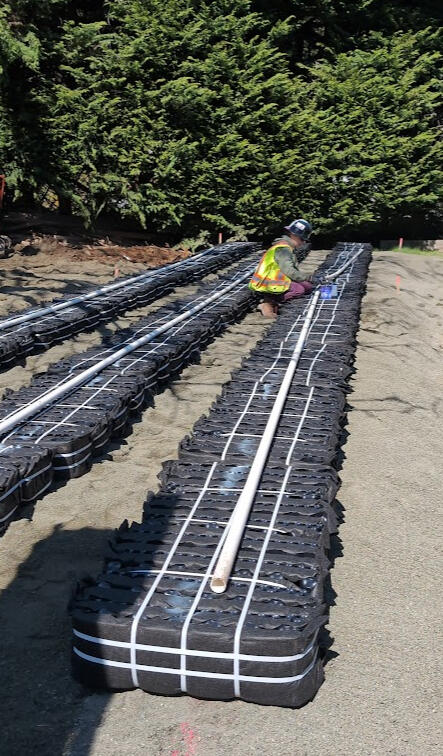
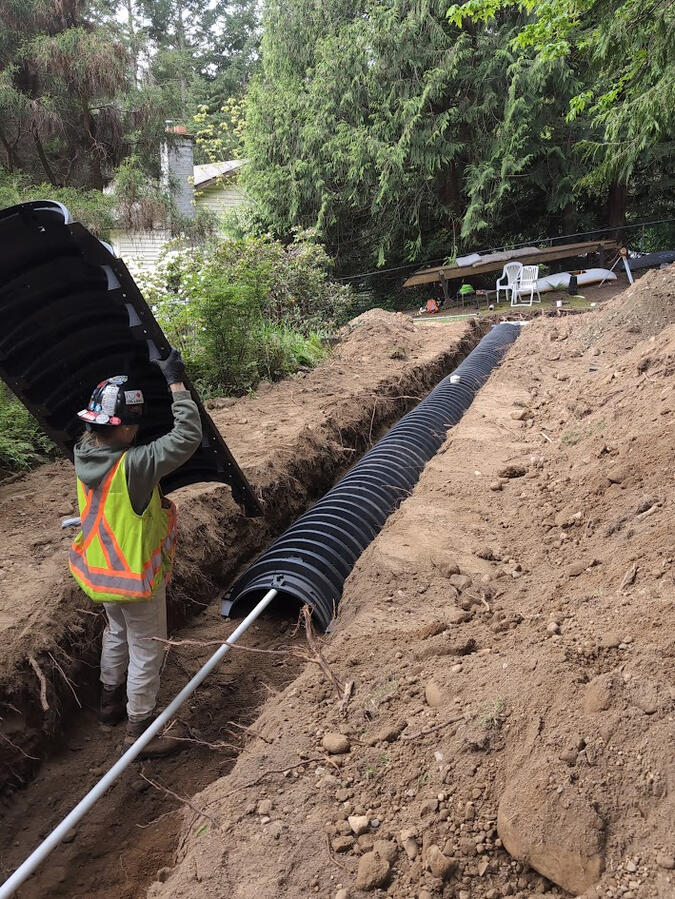
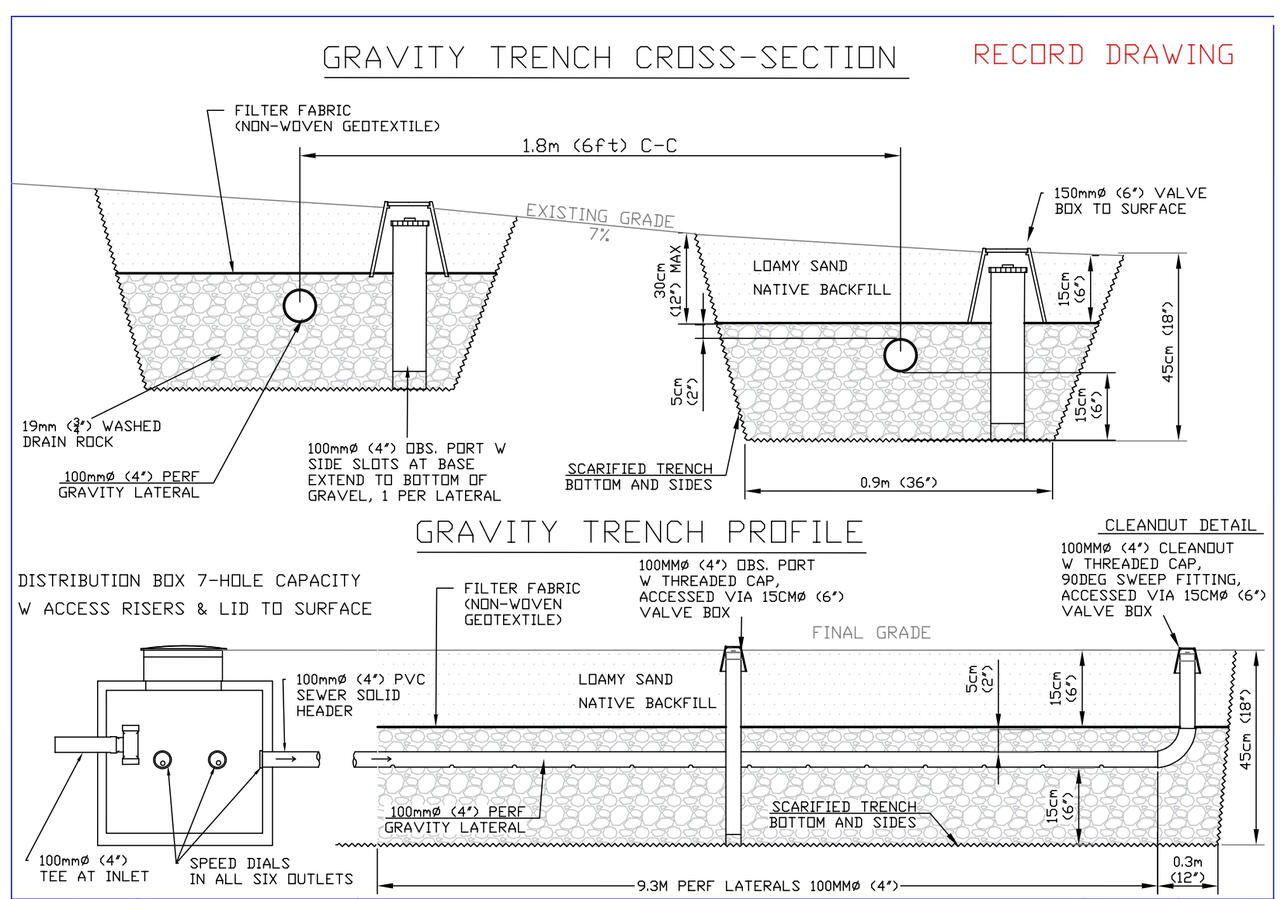
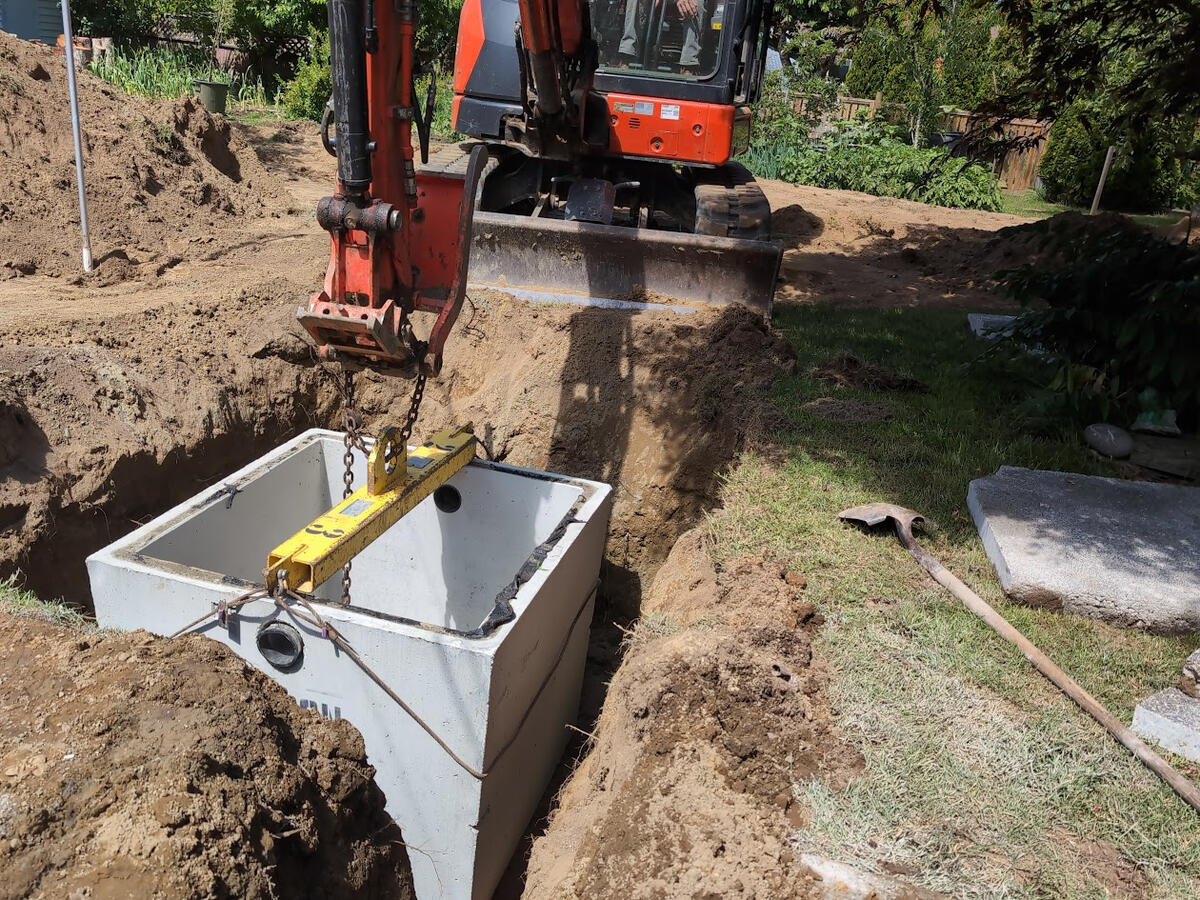
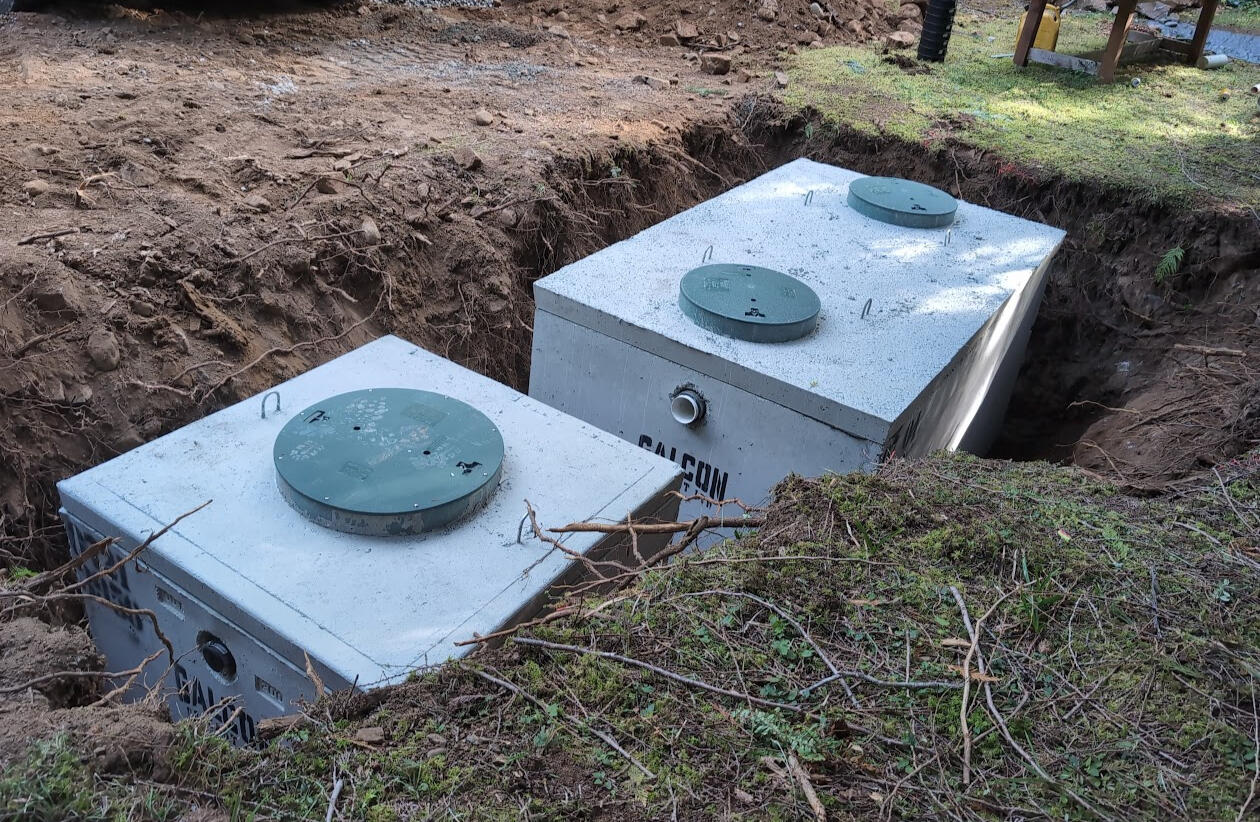
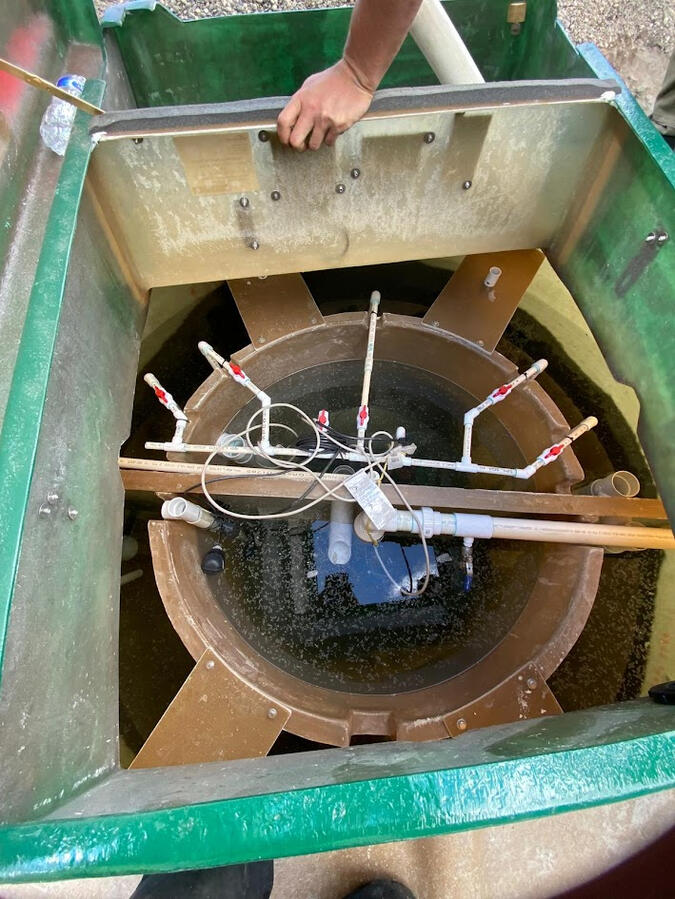
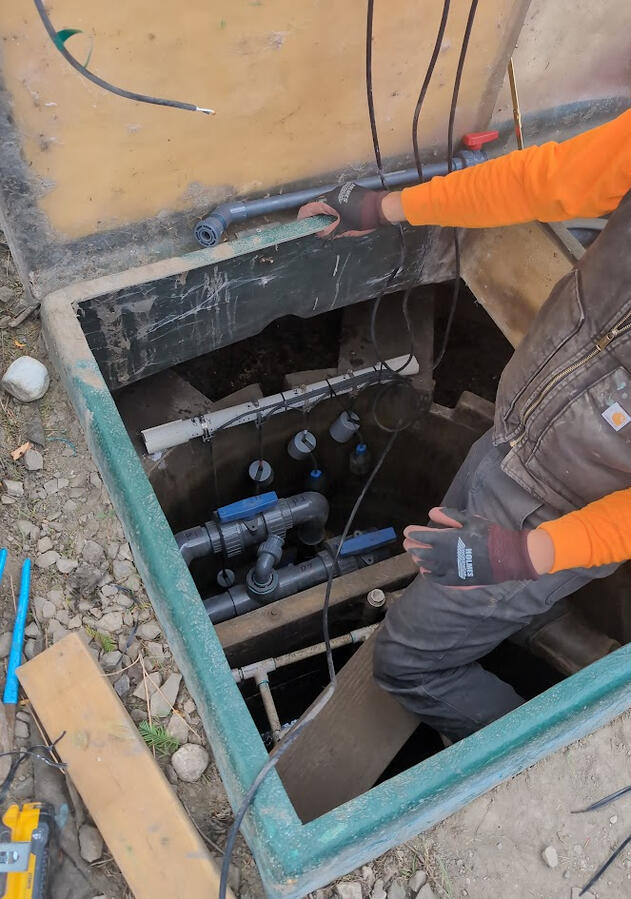
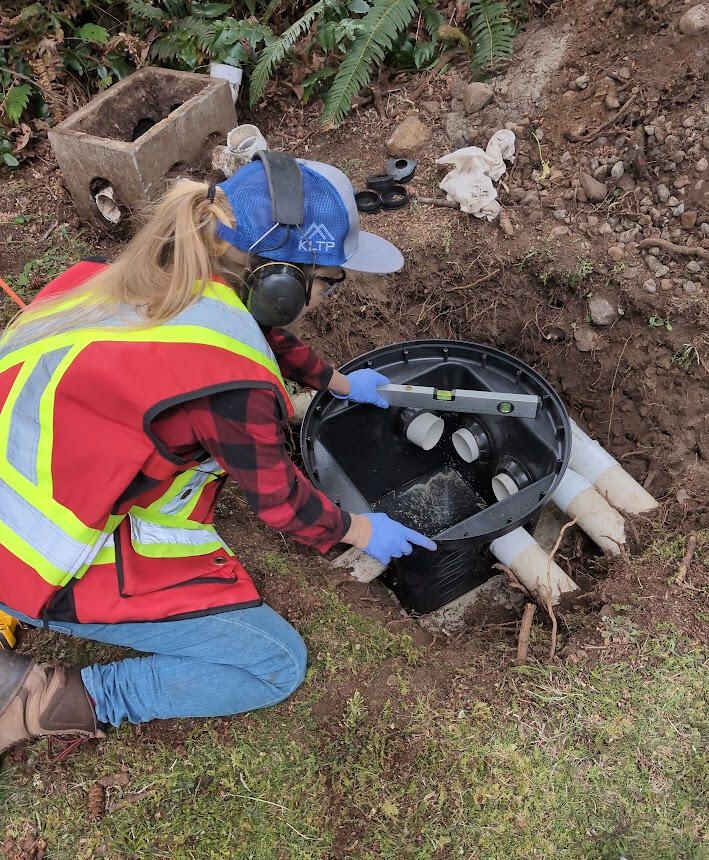
A quality installation is critical to the long-term performance, reliability and lifespan of your septic system. At Arbutus Septic, we install onsite wastewater systems with a strong focus on accuracy, workmanship and regulatory compliance.Each installation is coordinated based on approved designs, site conditions and soil characteristics to ensure the system functions as intended from day one. We work with a range of system types including gravity and pressure distribution, chamber systems, trenches, seepage beds, raised, at-grade and in-ground systems.What sets us apart is our attention to detail and use of specialized tools. We utilize precise layout methods, locating equipment to identify existing utilities and services, and detailed plans to ensure systems are installed safely and exactly as designed. Our installations are completed in accordance with British Columbia’s Sewerage System Regulation and the Ministry of Health’s Standard Practice Manual. These standards are required for building permits, subdivisions, occupancy and suite / addition approvals within the province of British Columbia.Whether you’re building new or replacing an existing system, we provide clear communication throughout the process and work efficiently to keep your project moving forward with confidence.

.

septic inspections

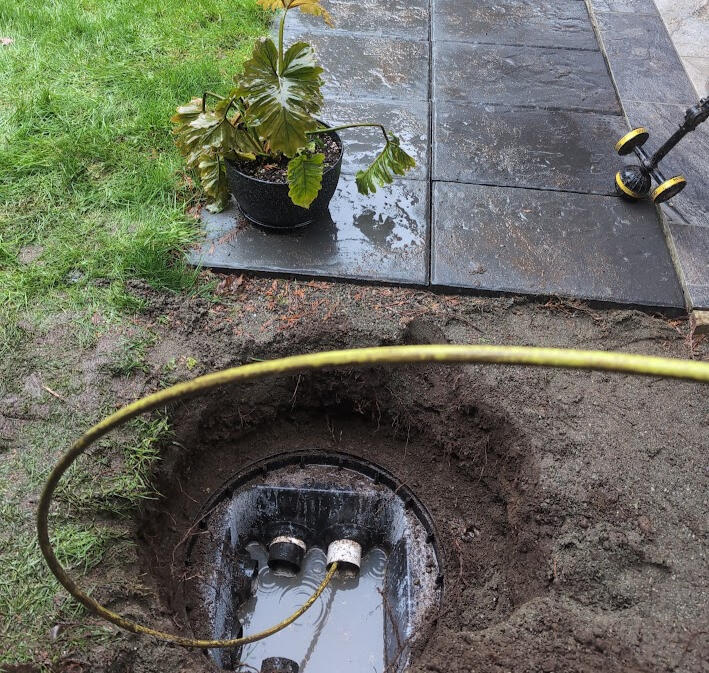
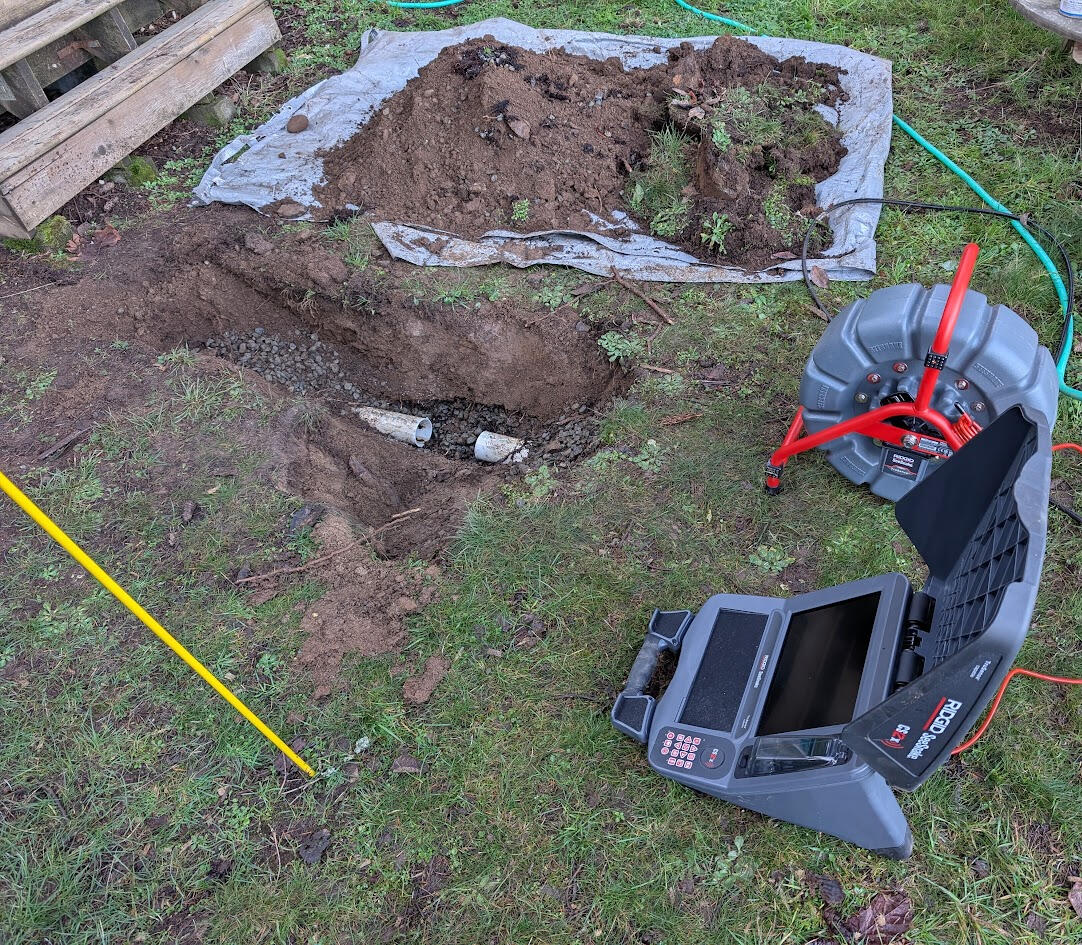
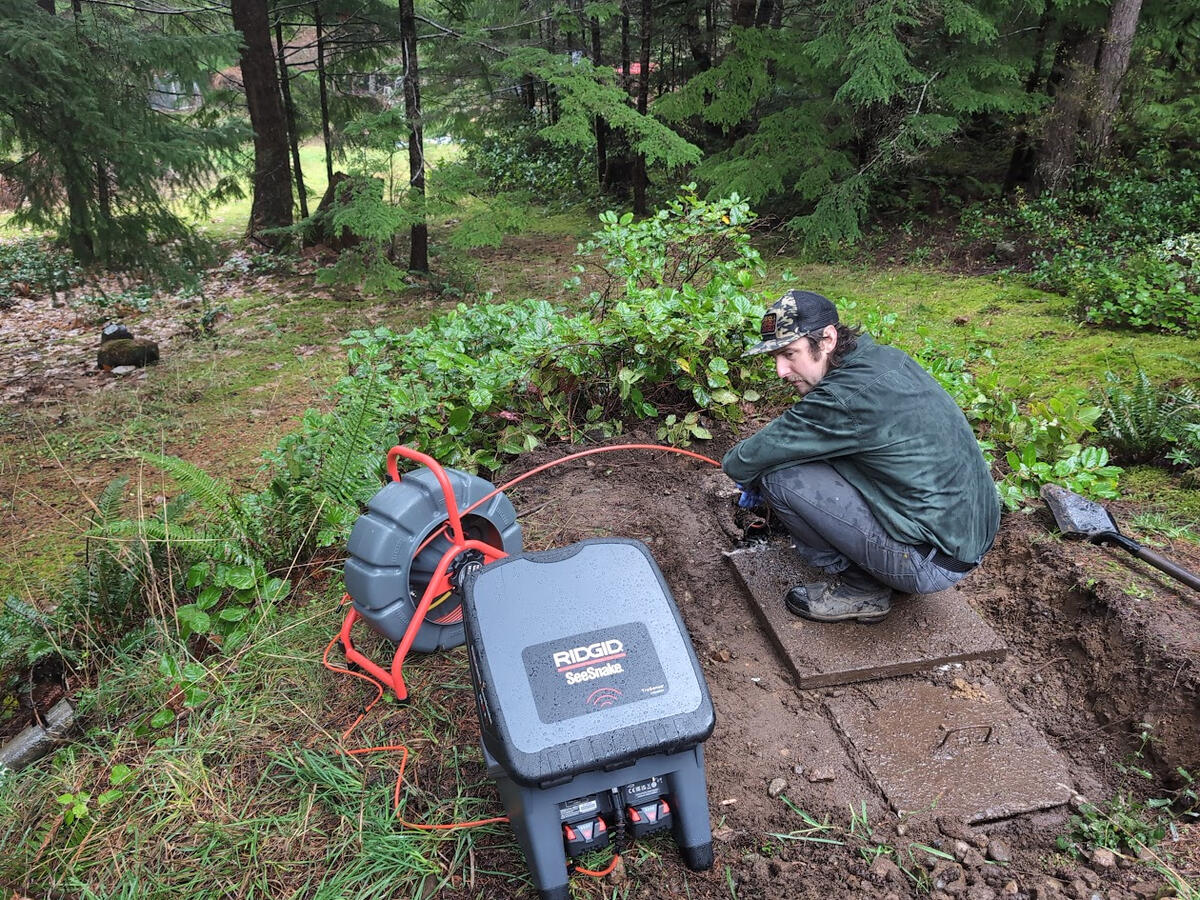
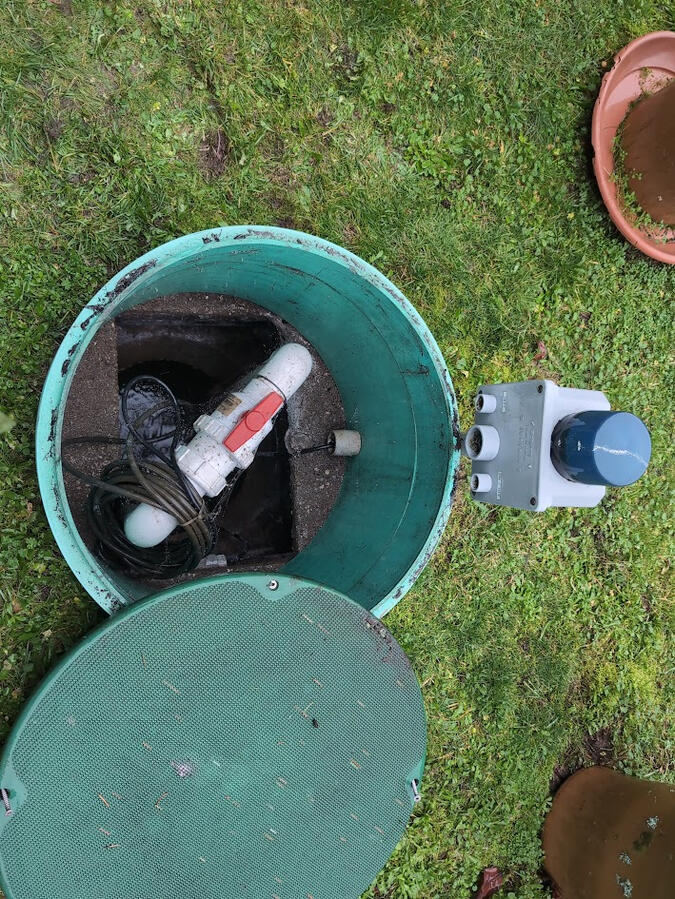
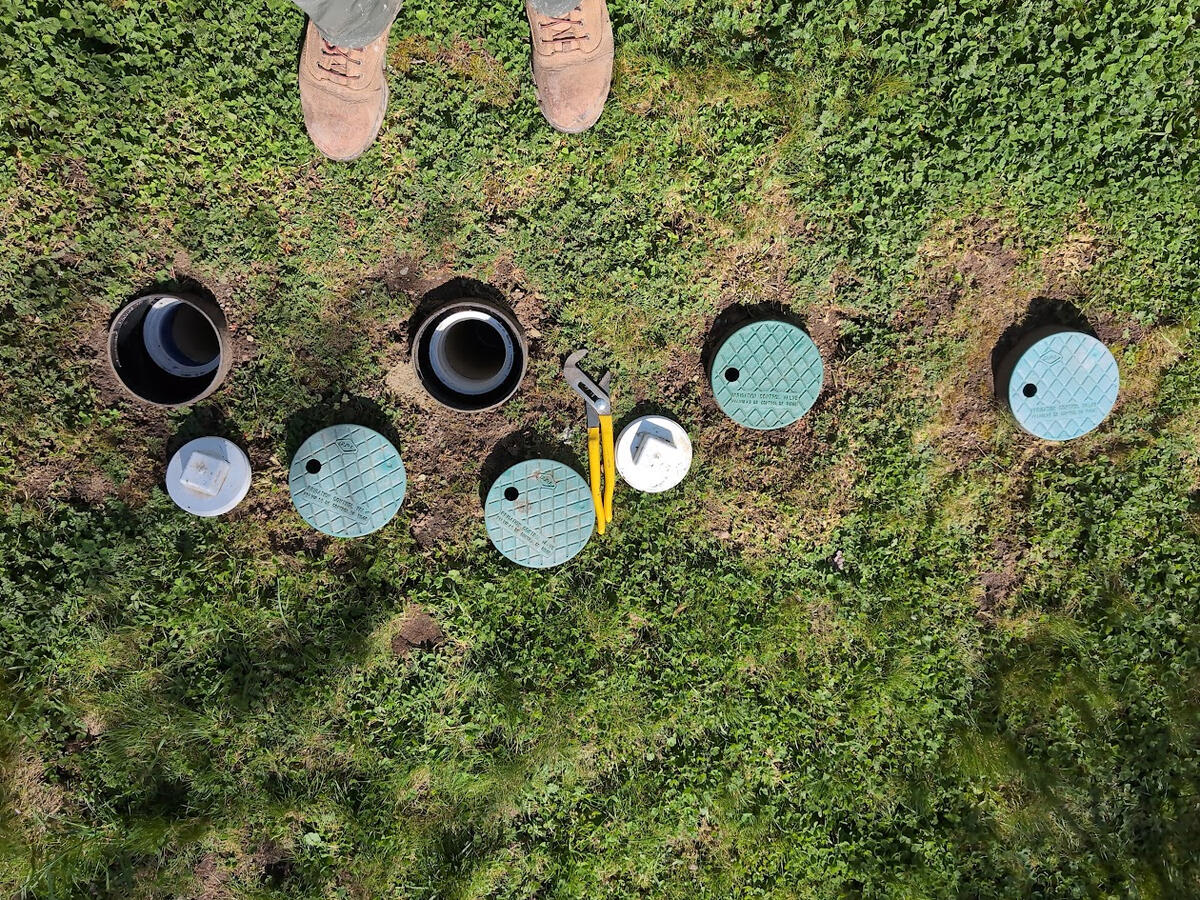
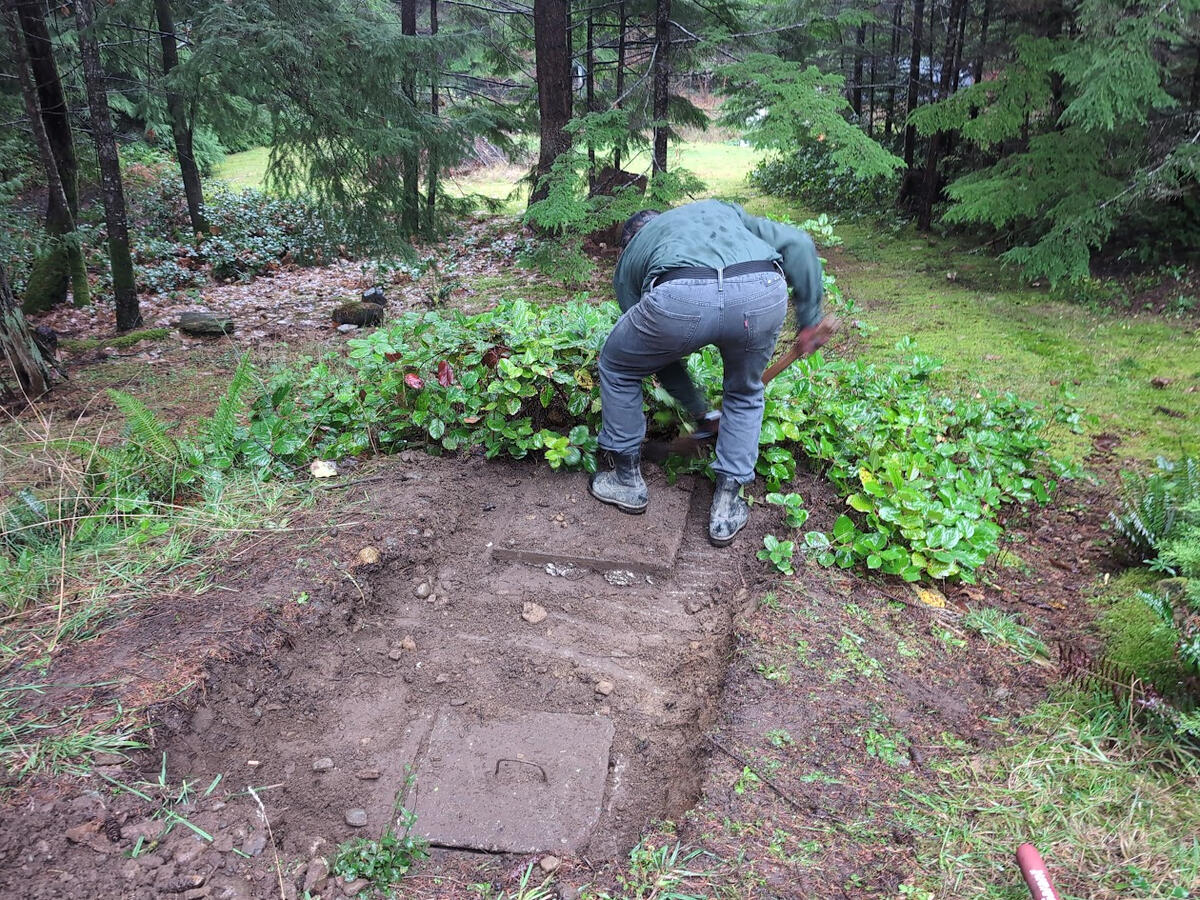
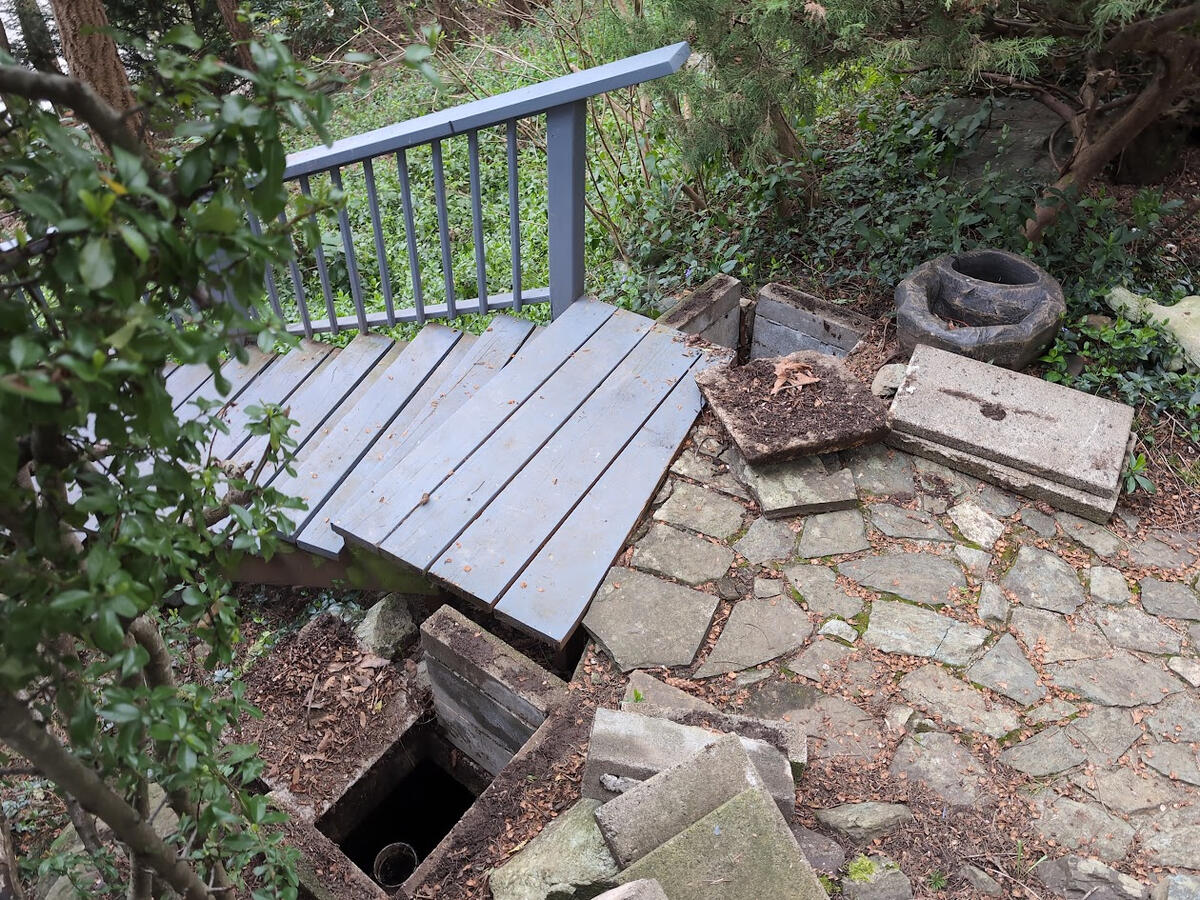
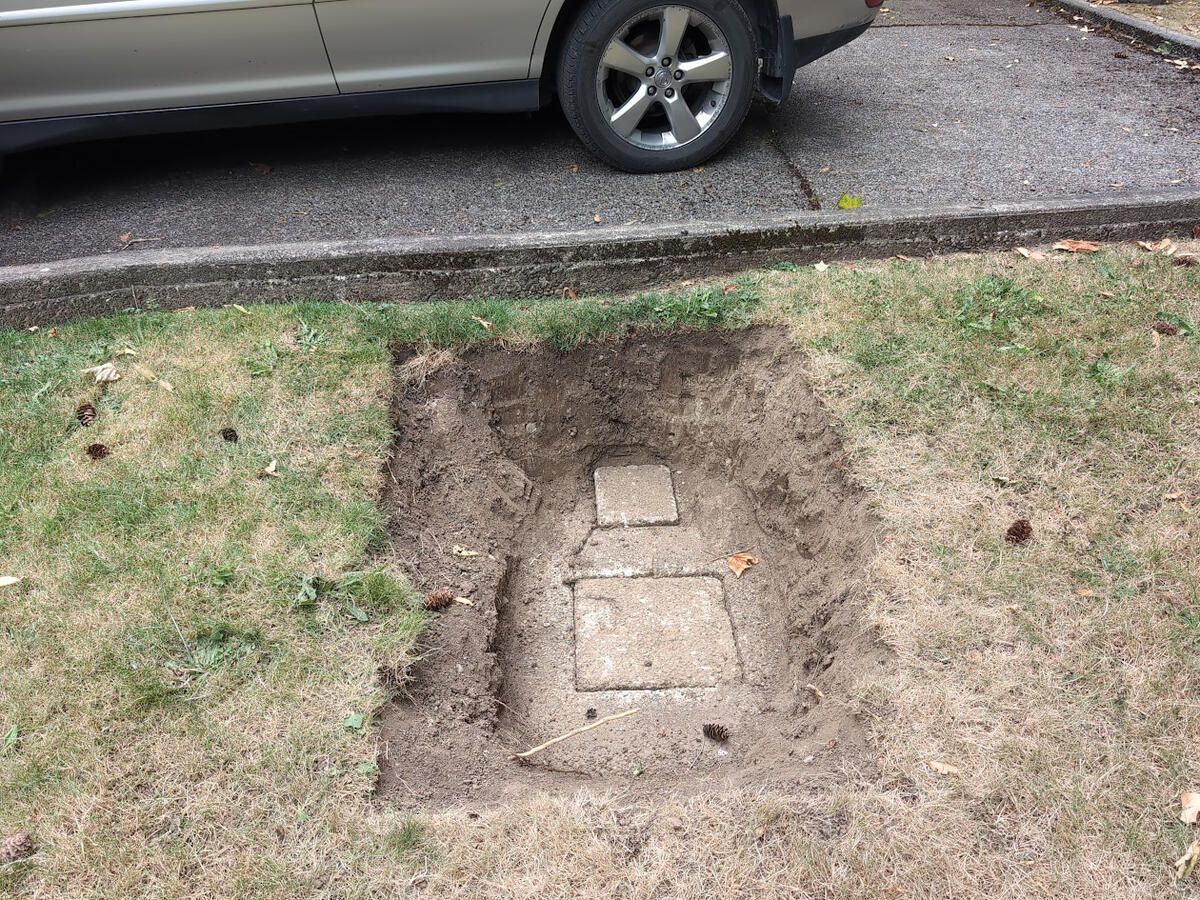
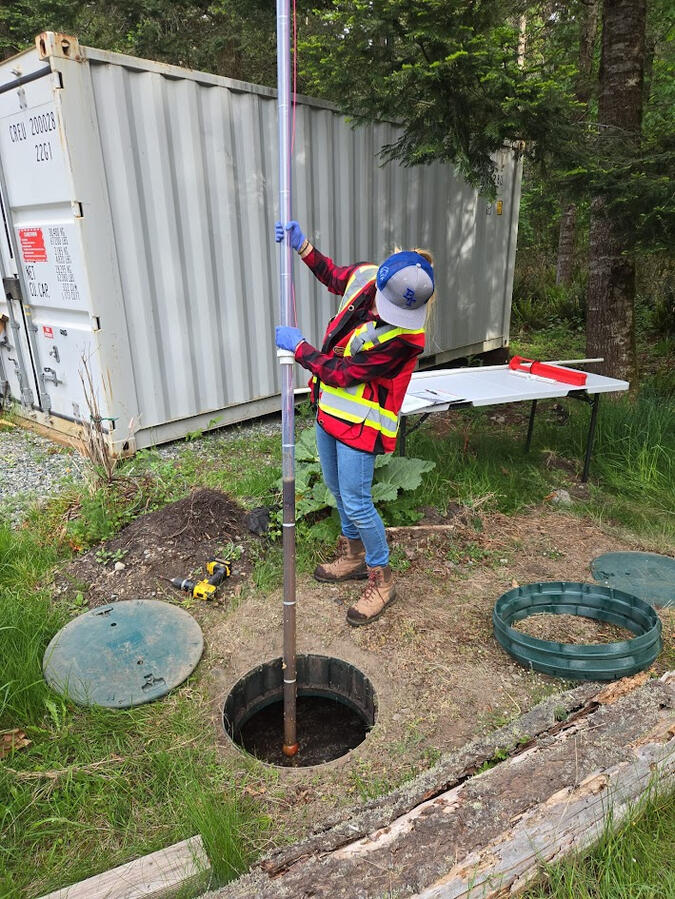
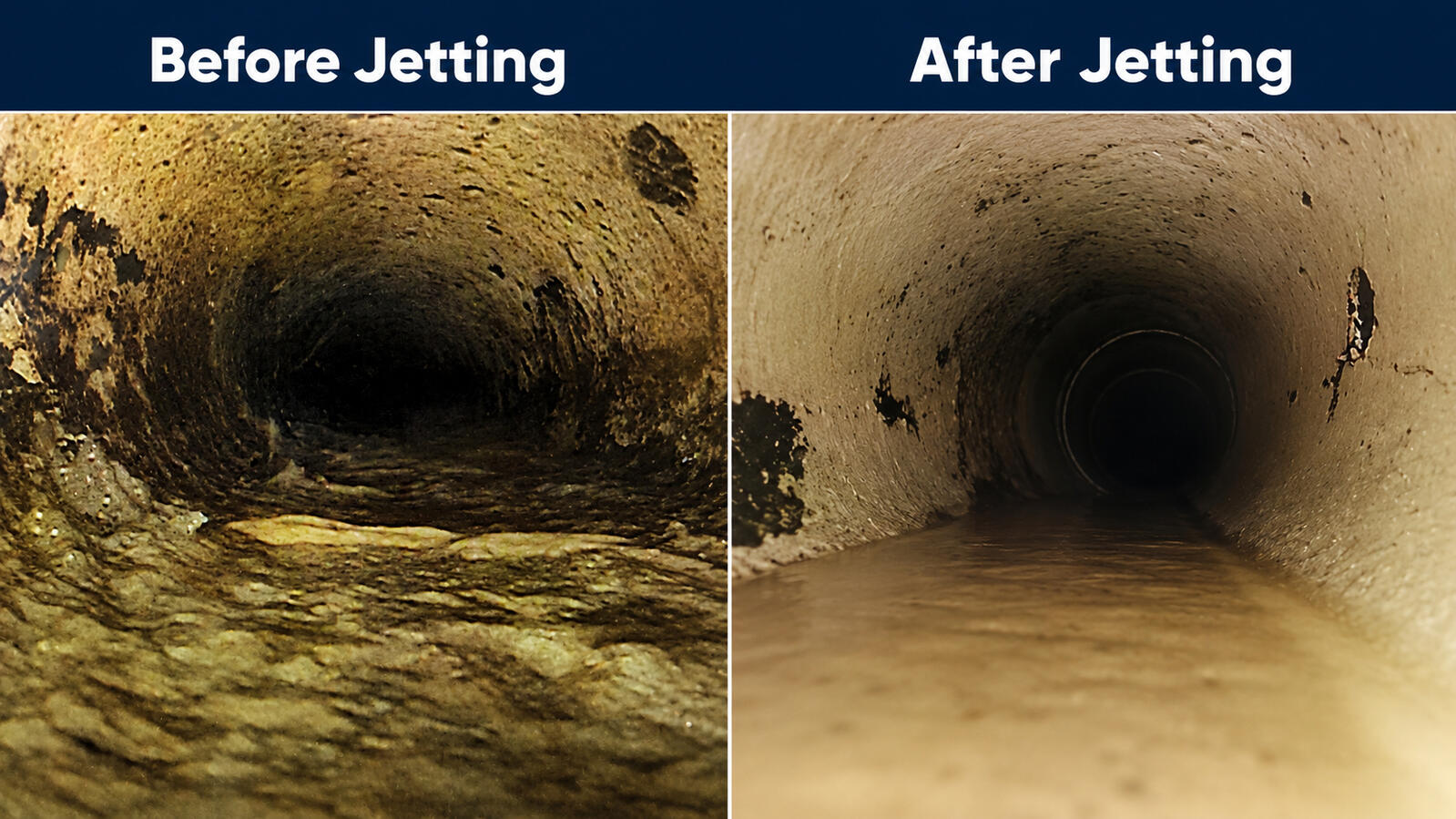
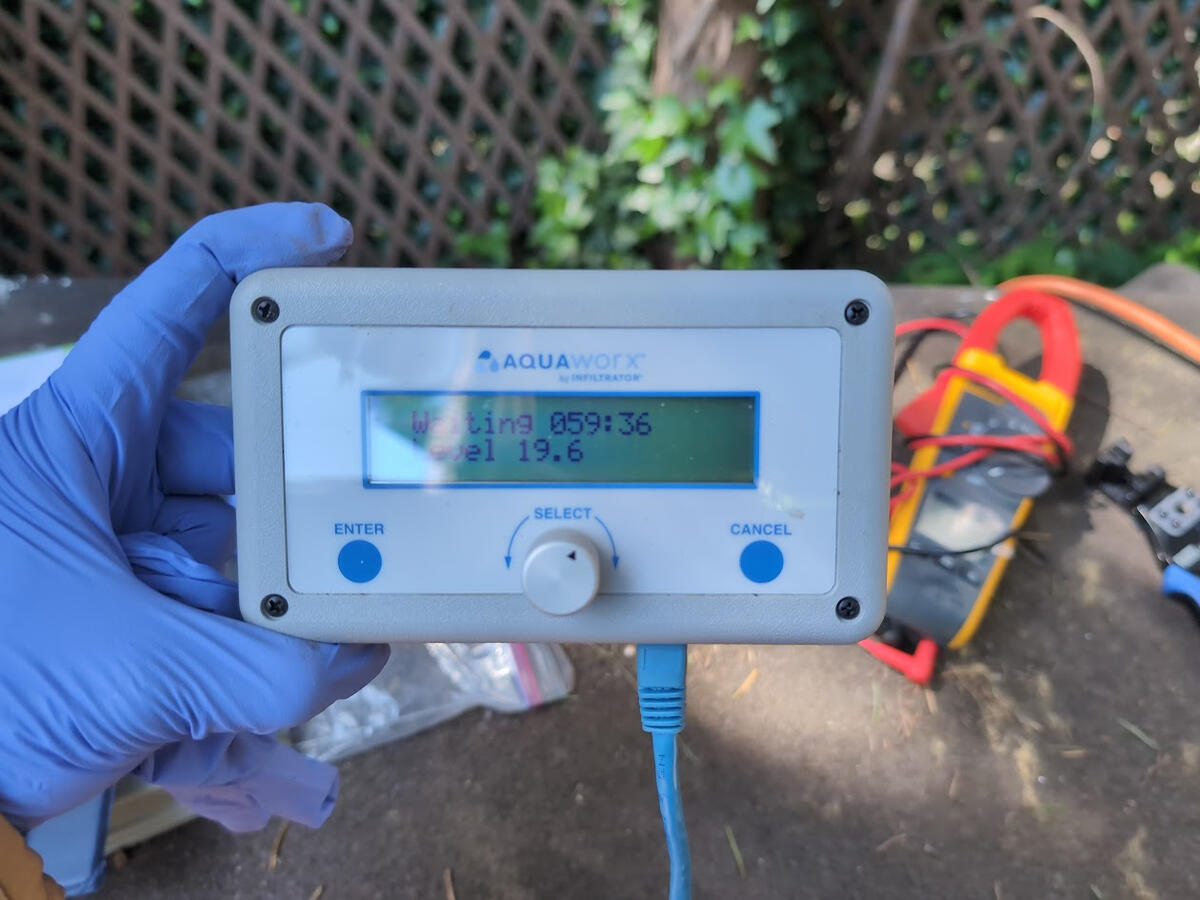
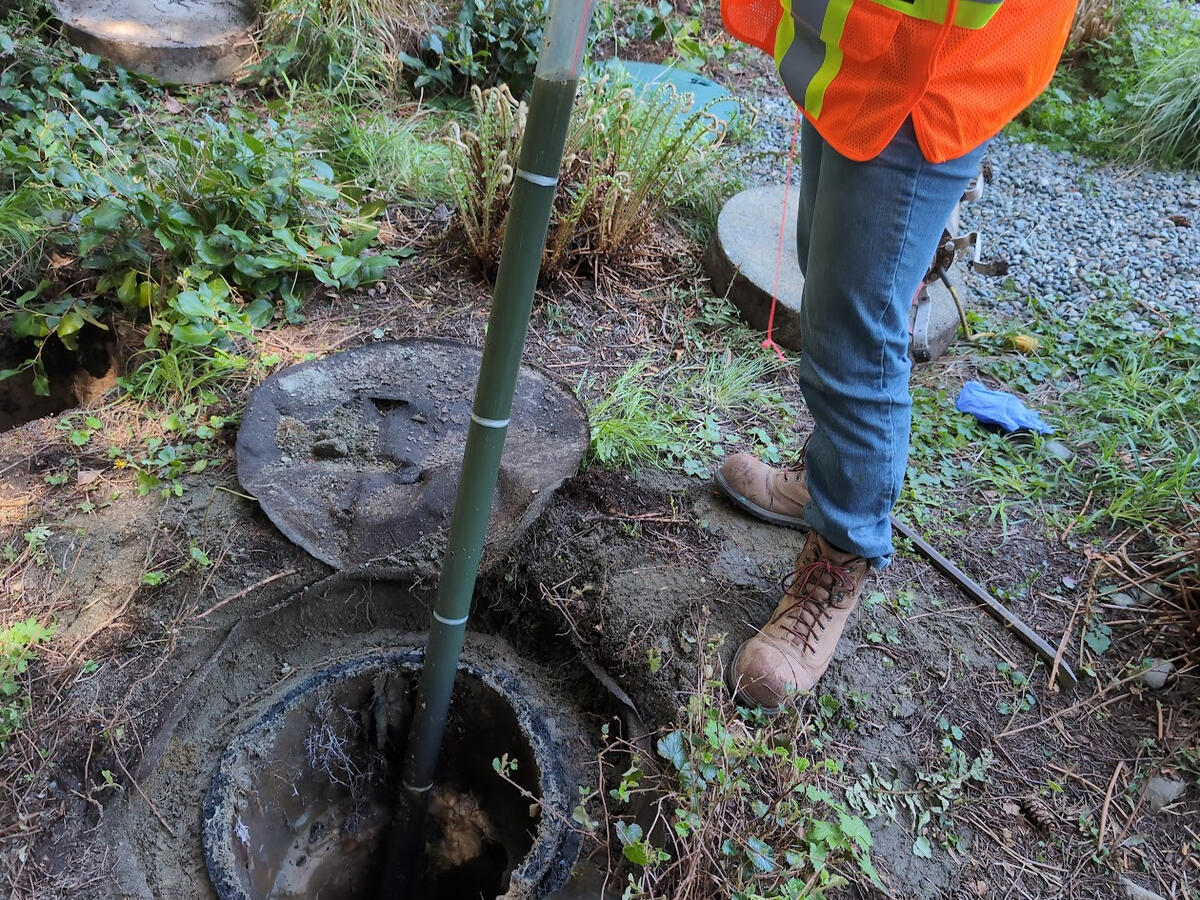
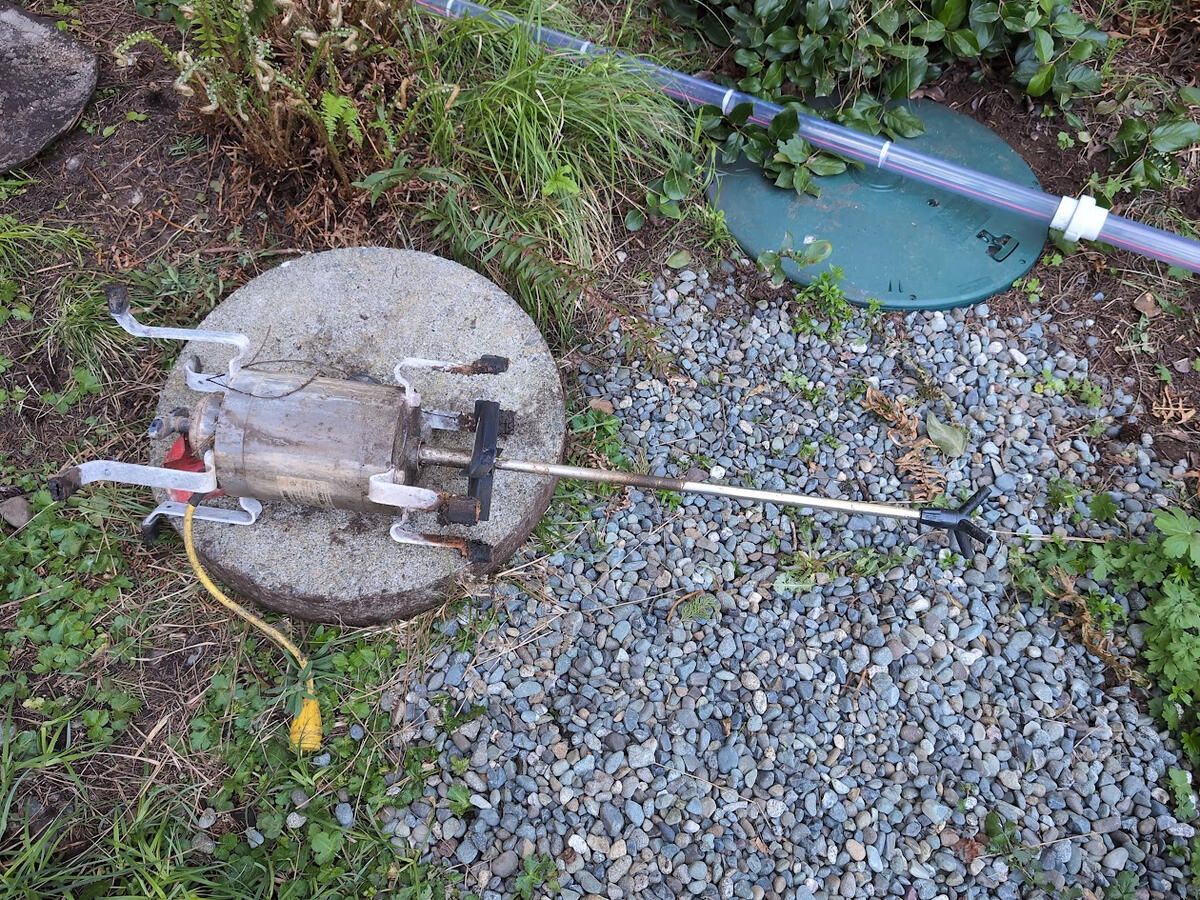
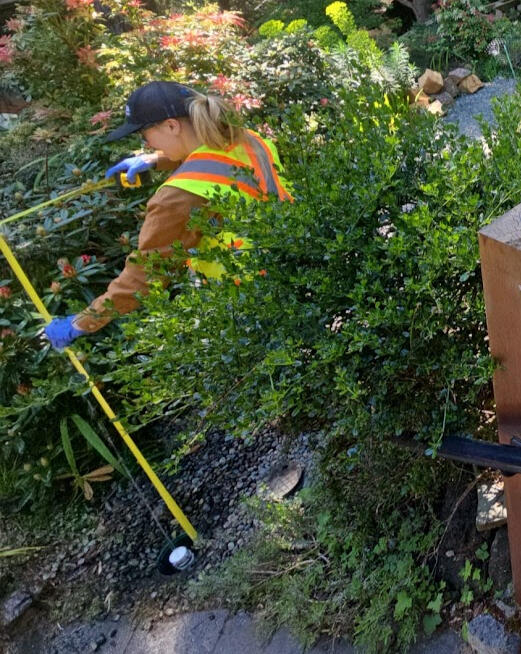
Our septic inspections are designed for real estate transactions, helping buyers and sellers understand system condition, performance and compliance before a major purchase. We provide both compliance and performance inspections to reduce uncertainty and avoid costly surprises.Arbutus Septic uses professional inspection equipment including pipe cameras, monitoring tools to capture current-condition photos, and locating equipment to accurately identify tanks and distribution boxes.We provide accurate diagrams showing system layout and component locations for clear documentation and future reference.

maintenance & Repairs

.

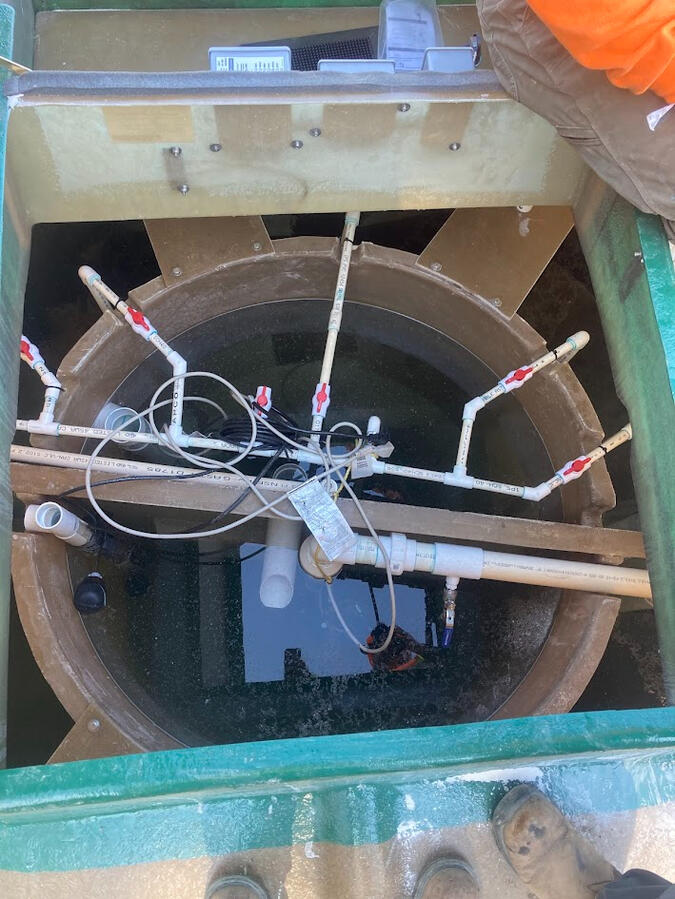
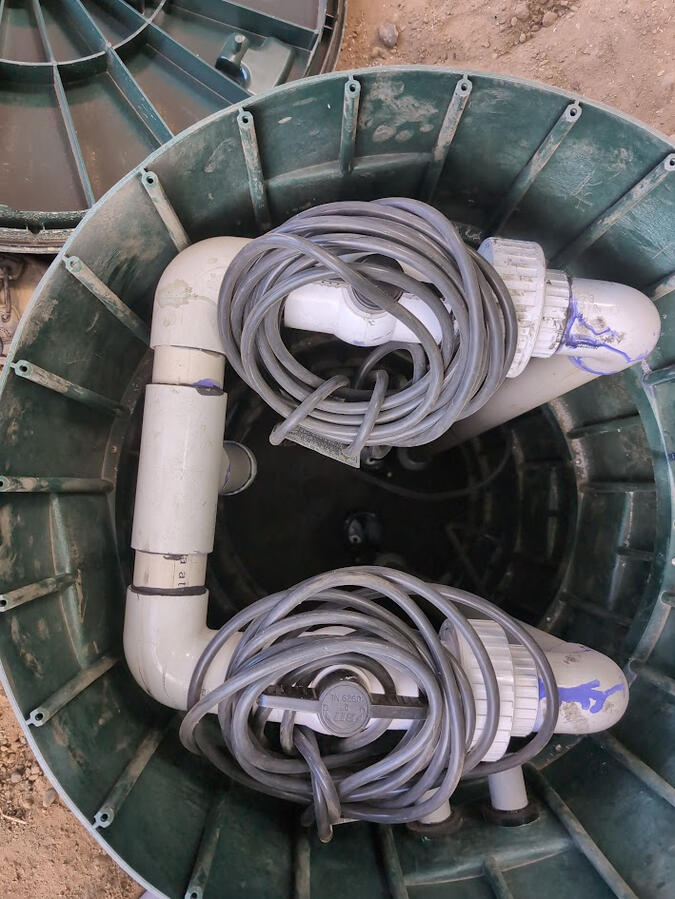
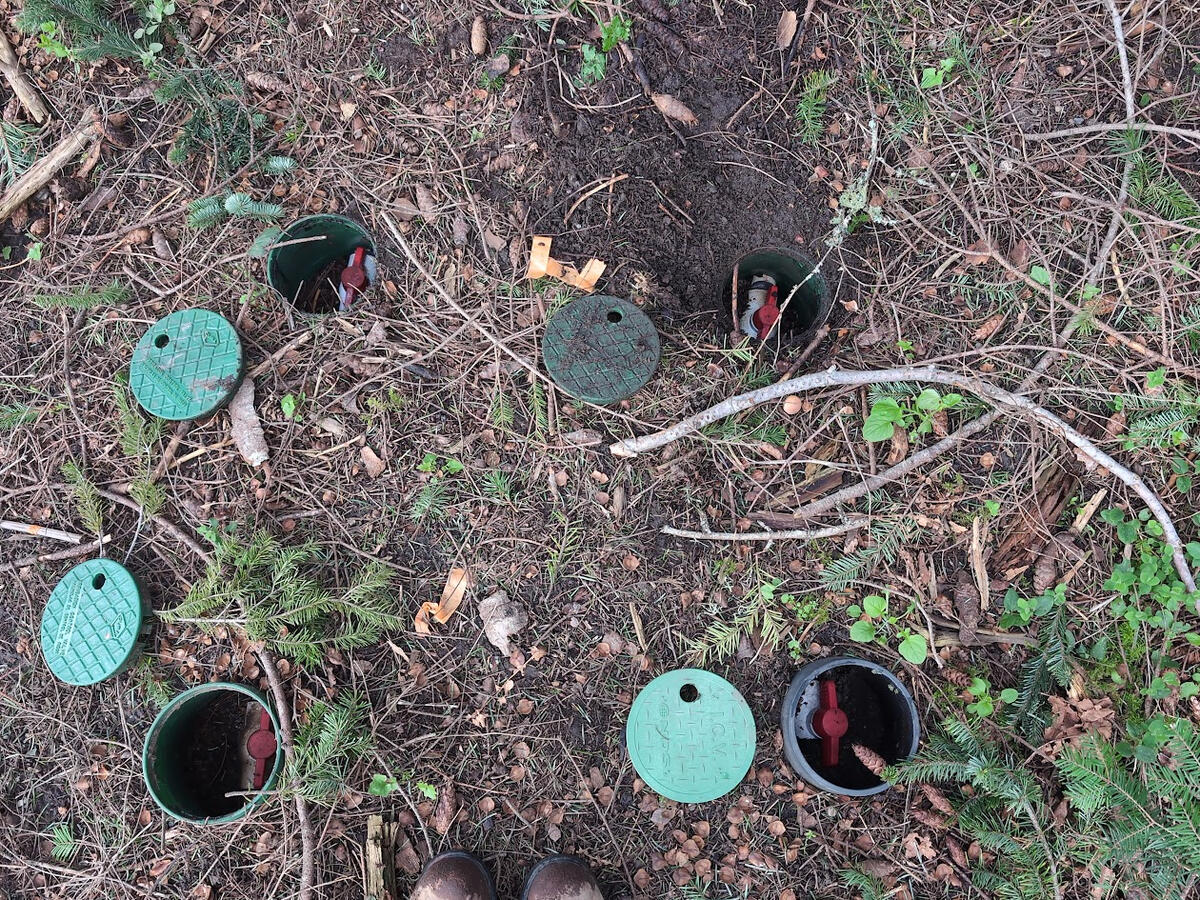
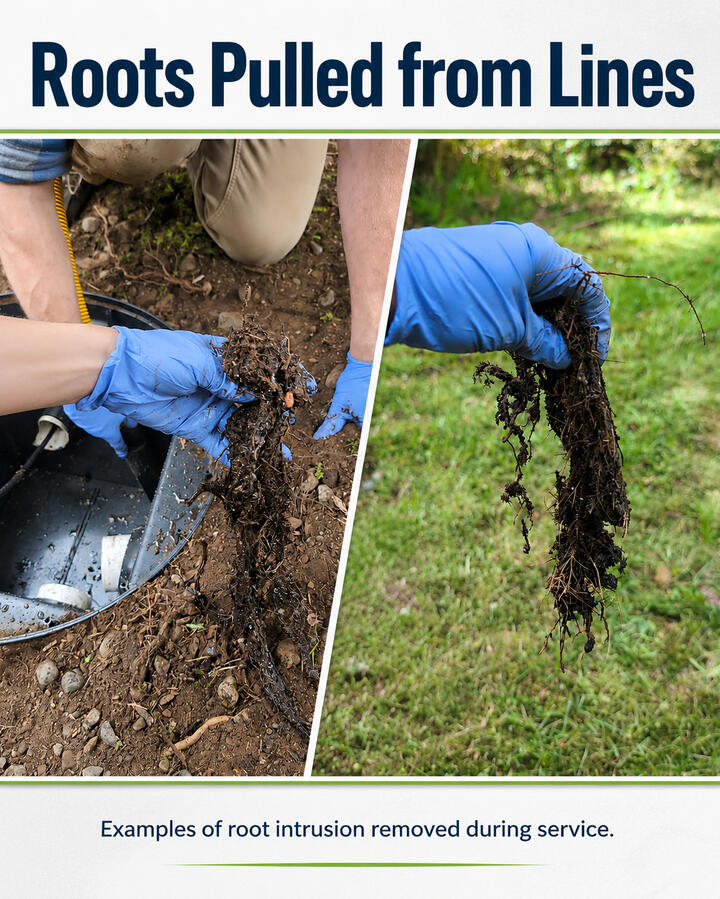
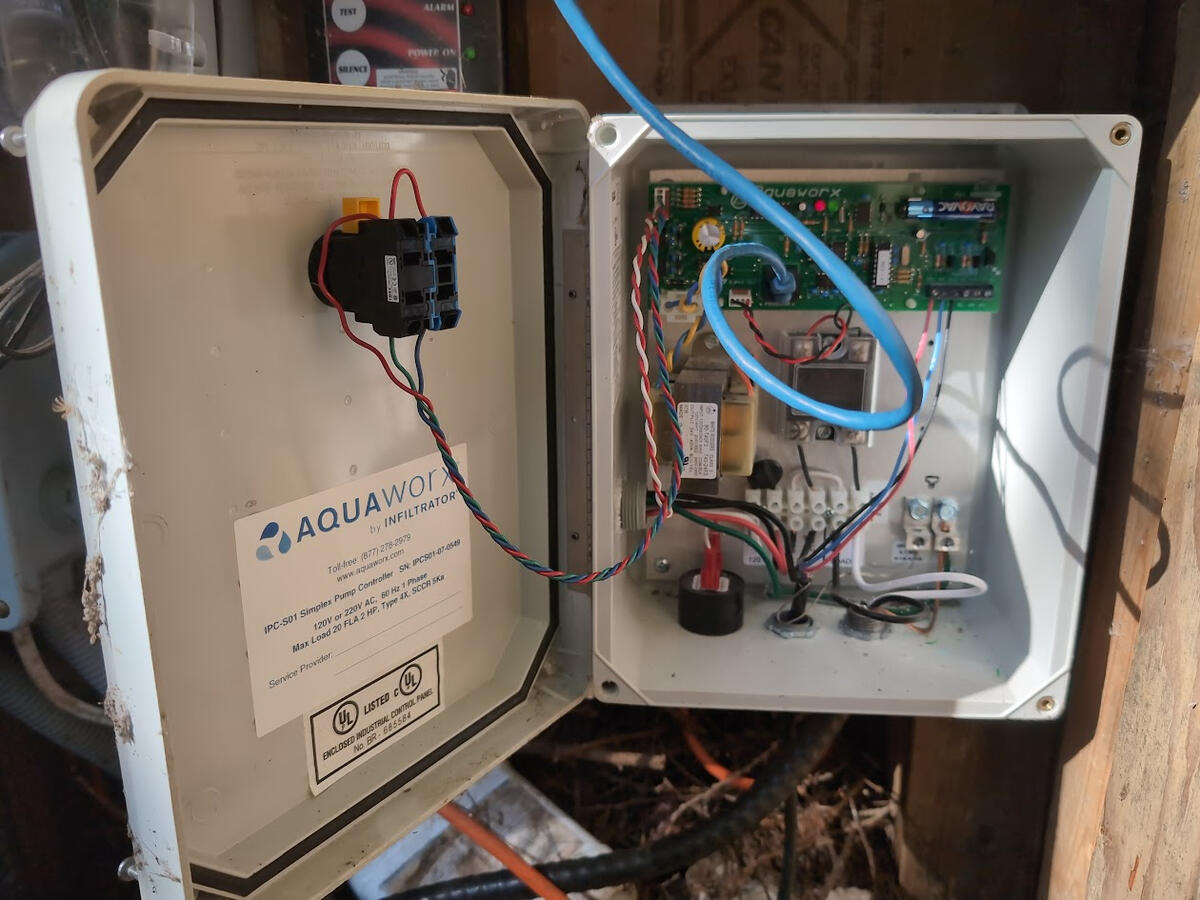
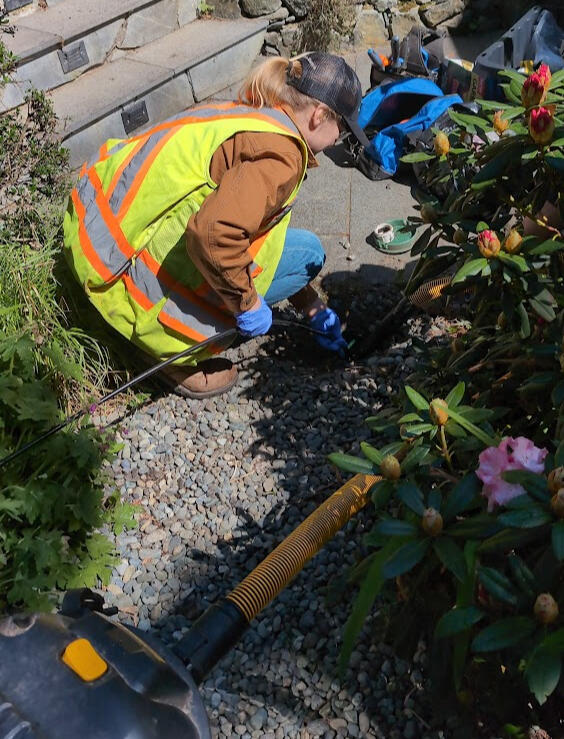
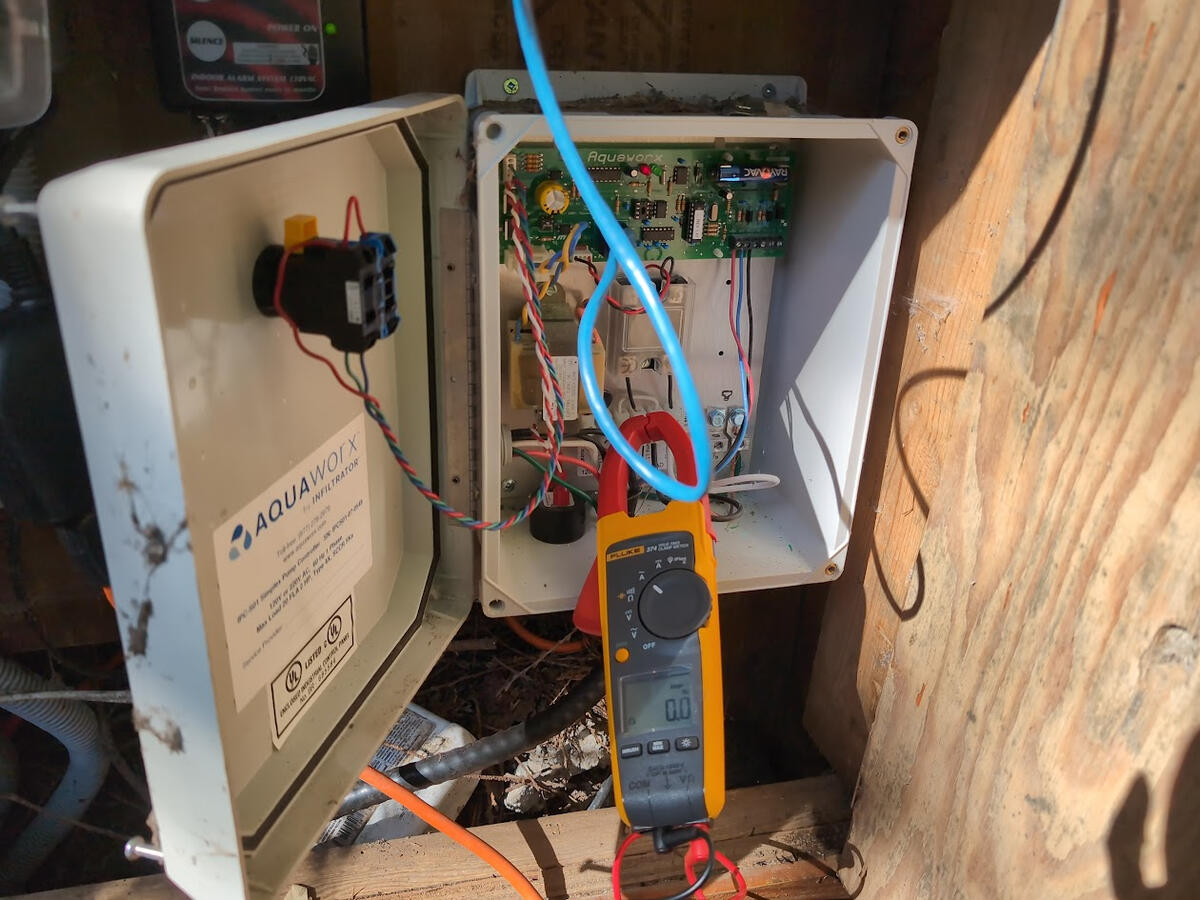
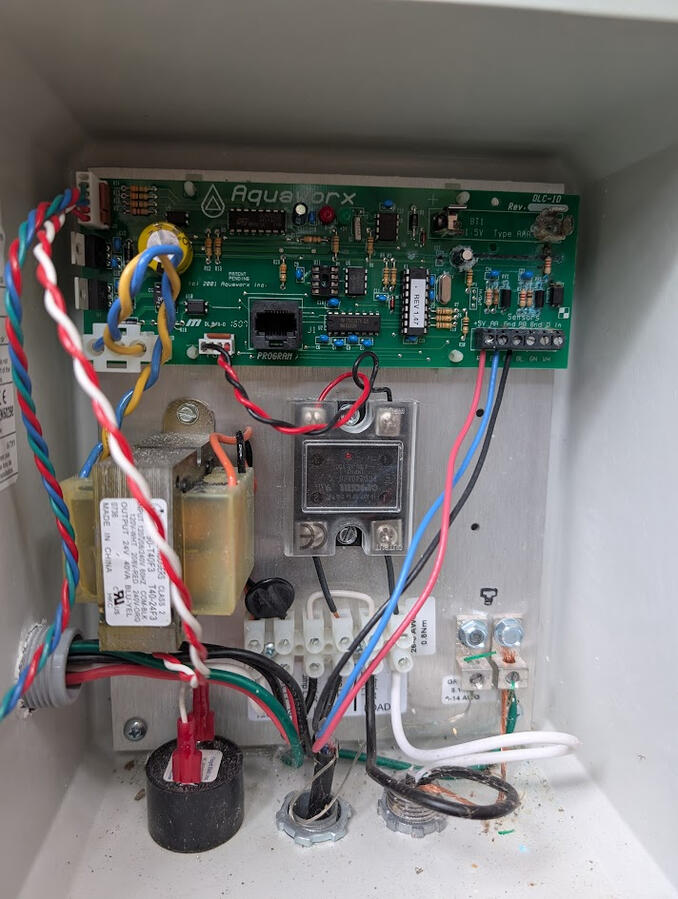
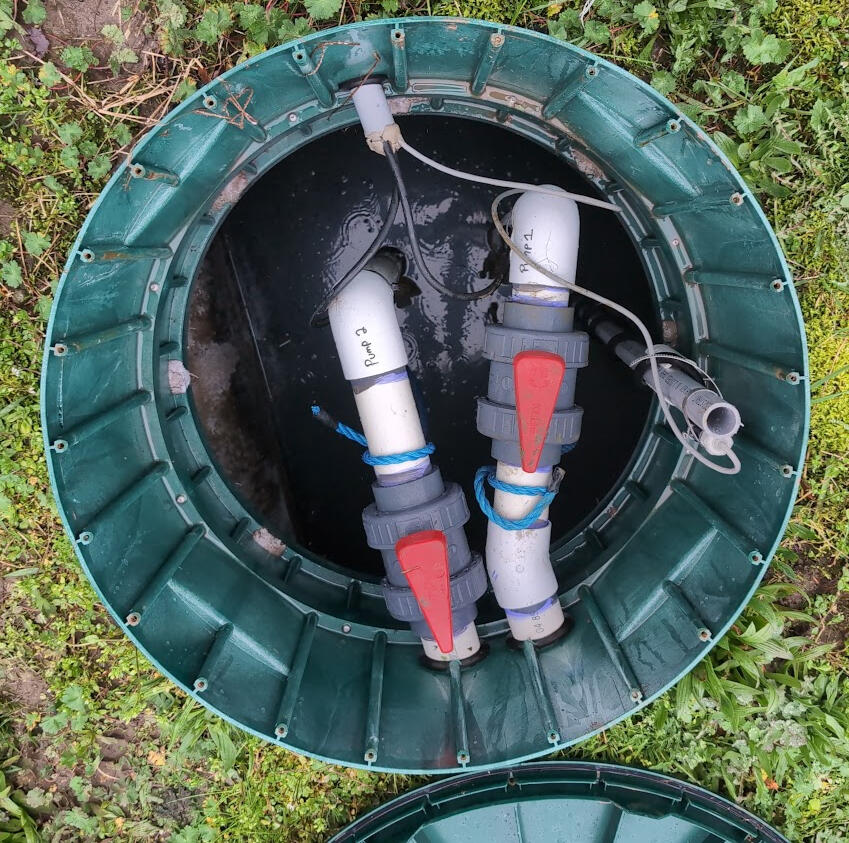
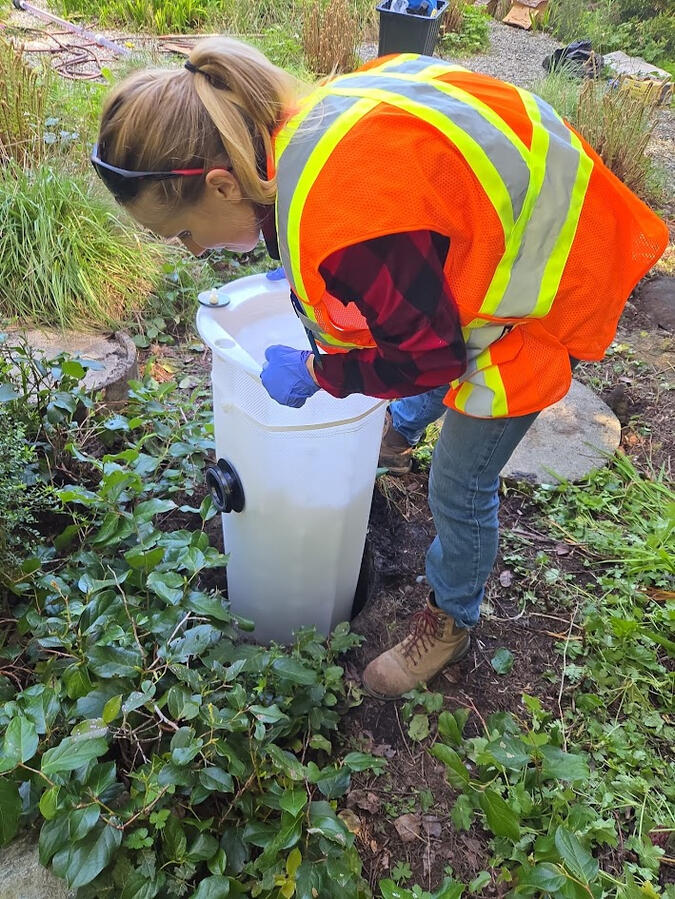
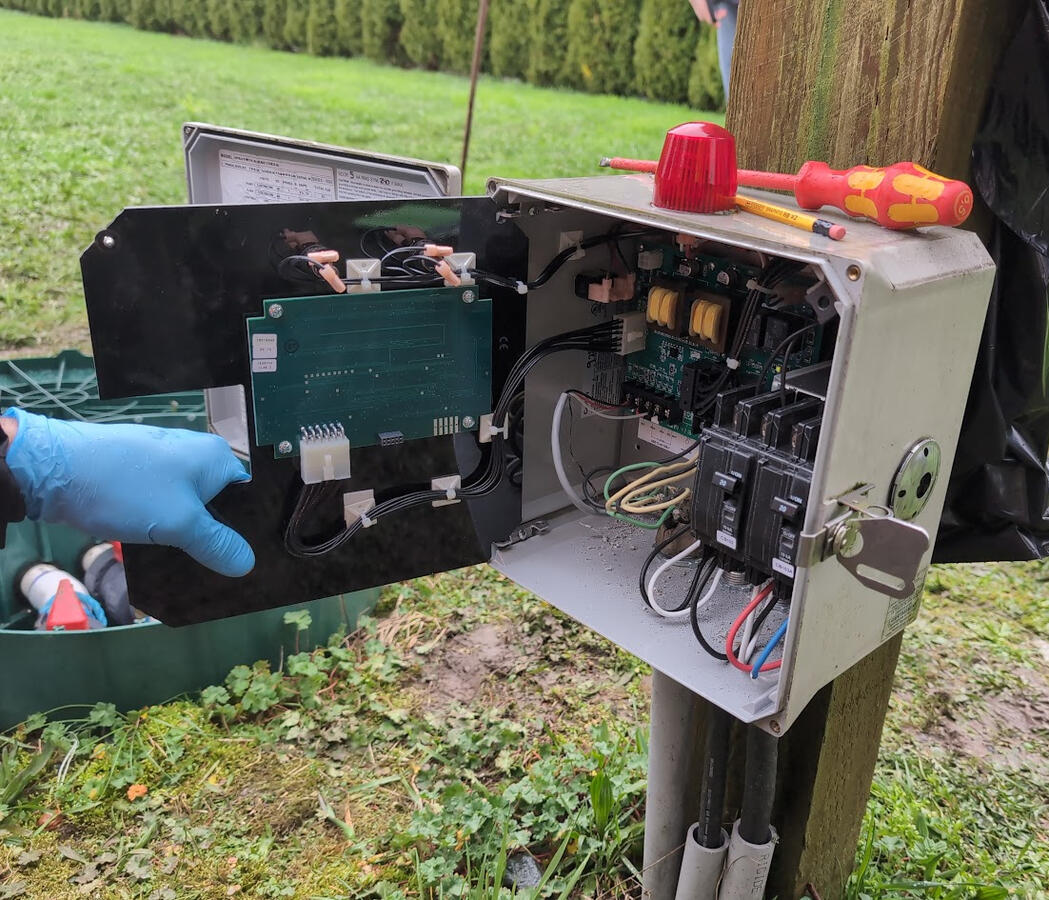
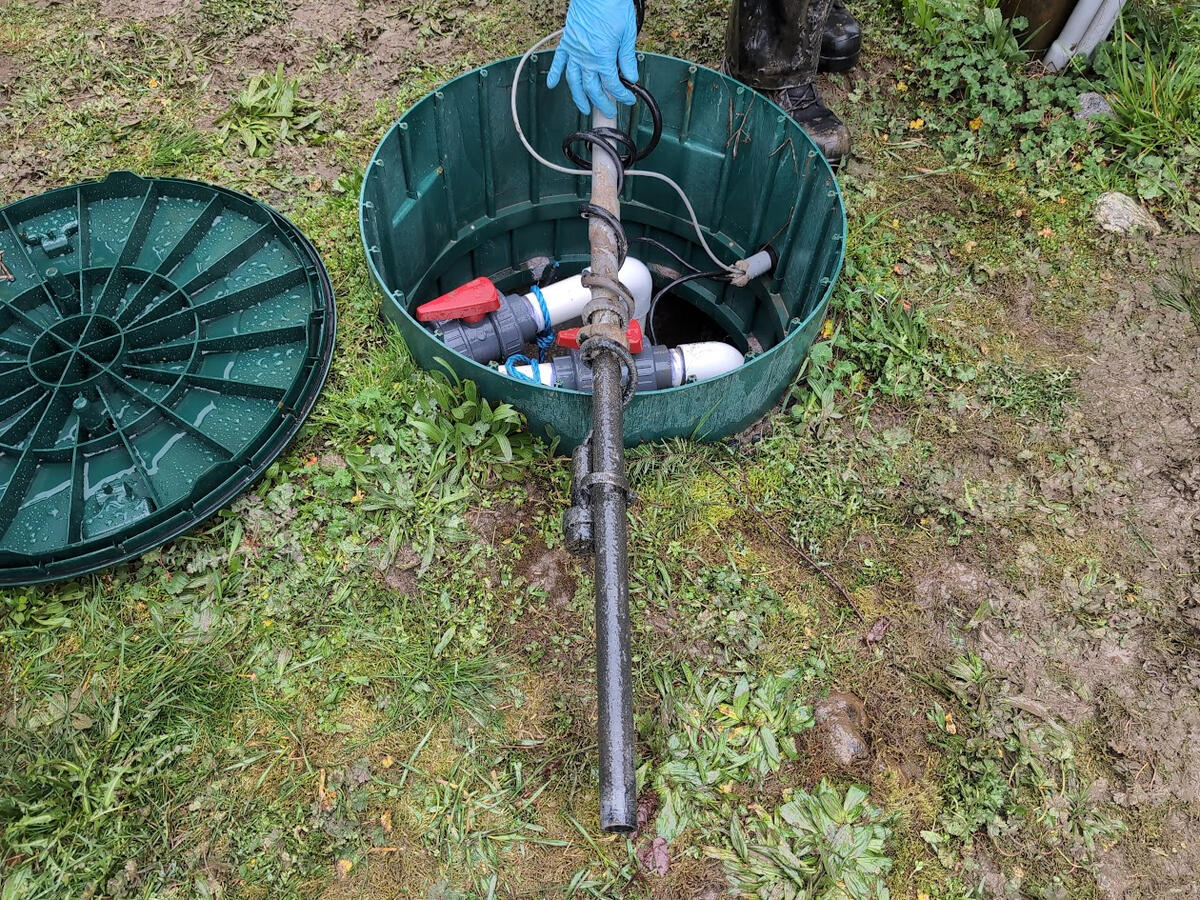
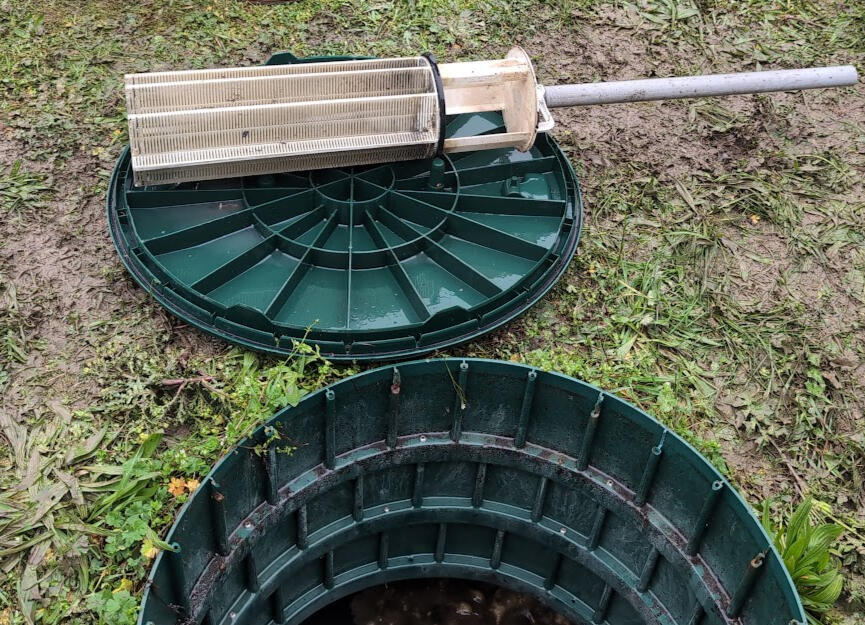
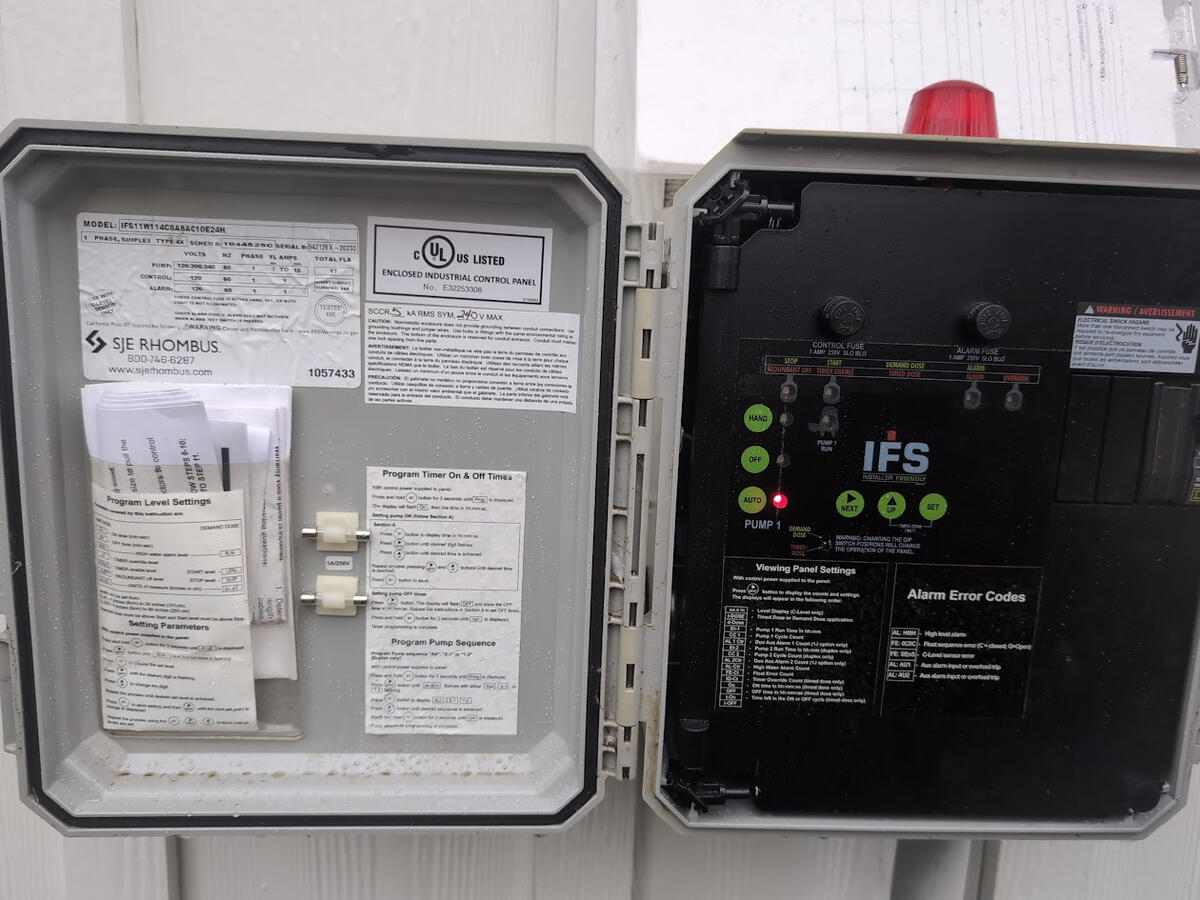
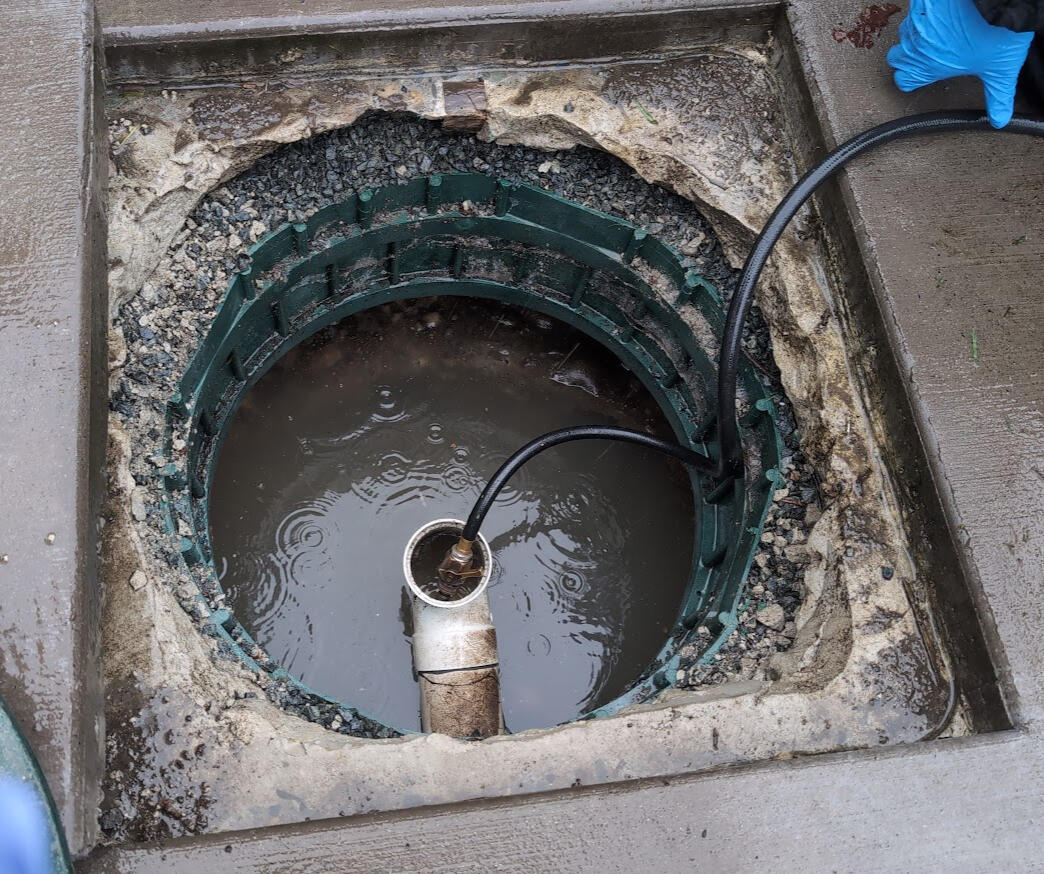
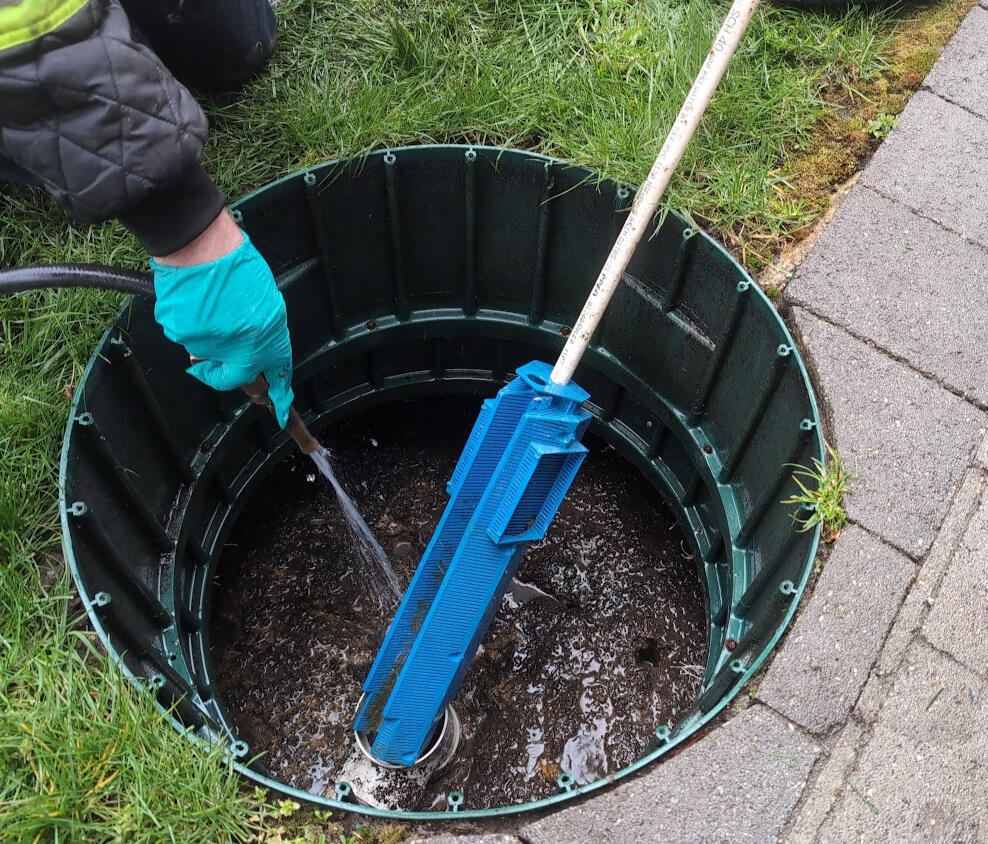
Regular maintenance helps identify potential issues early, ensures system components are functioning properly, and extends the life of your septic system. Arbutus Septic provides targeted maintenance and service work including system assessments, troubleshooting, lateral flushing, filter cleaning and component inspections to keep your system operating as intended.When problems arise, we can diagnose performance issues and carry out repairs or coordinate corrective work such as replacing filters, floats, pumps, or other components to restore system function. Our goal is to address issues early, prevent costly failures, and help homeowners understand how their systems operate.We work alongside local pumping contractors to ensure tanks are serviced when needed and systems receive the highest level of care. We also assist clients with accessing applicable septic service rebates available through their Regional District.

subdivision septic planning

.

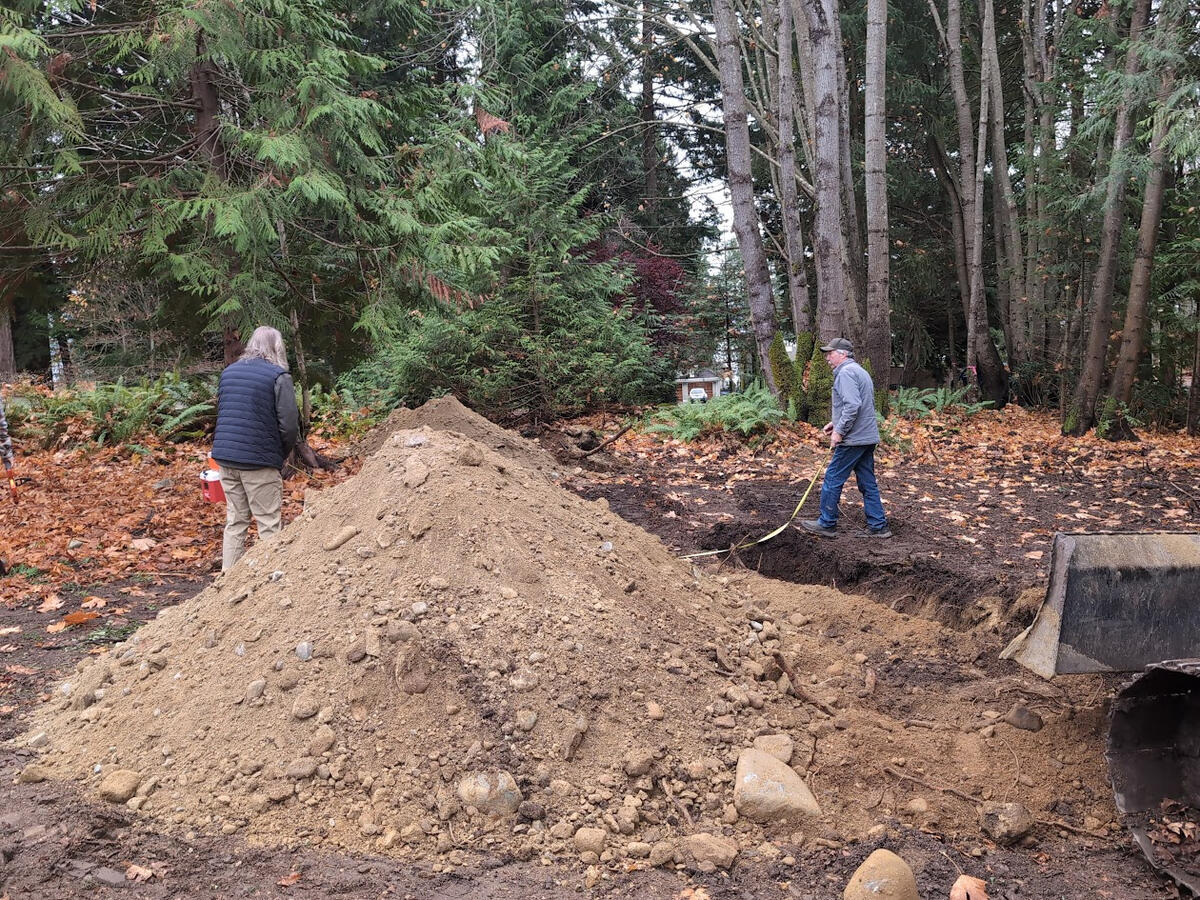
We support subdivision approval by providing comprehensive onsite wastewater assessments in accordance with Island Health’s Subdivision Standards and the BC Sewerage System Regulation. Our services include digging observation and percolation test pits, evaluating soil conditions, and identifying suitable primary and reserve discharge areas for each proposed lot.Our assessments are carried out by a Registered Onsite Wastewater Practitioner (ROWP) and include clear documentation of soil depths, percolation results, slopes and setbacks — exactly what Island Health and Approving Officers require for subdivision referrals.We work directly with Environmental Health Officers (EHOs) to support approval of septic locations and provide the detailed site assessments needed to satisfy subdivision review and ensure long-term, compliant wastewater servicing.

step by step

.

our step by step design and installation process

Step 1: Initial Consultation

We begin with an initial consultation to understand your property and how it will be used. This includes discussing your vision for the site, the number of occupants, any planned or existing suites, short-term rentals, or higher-use scenarios such as large gatherings.
We review building plans, anticipated future development, and if the property will be used seasonally or year-round. This information is critical to ensure the septic system is properly designed for long-term performance and reliability.

Step 2: Site Assessment & Soils Testing

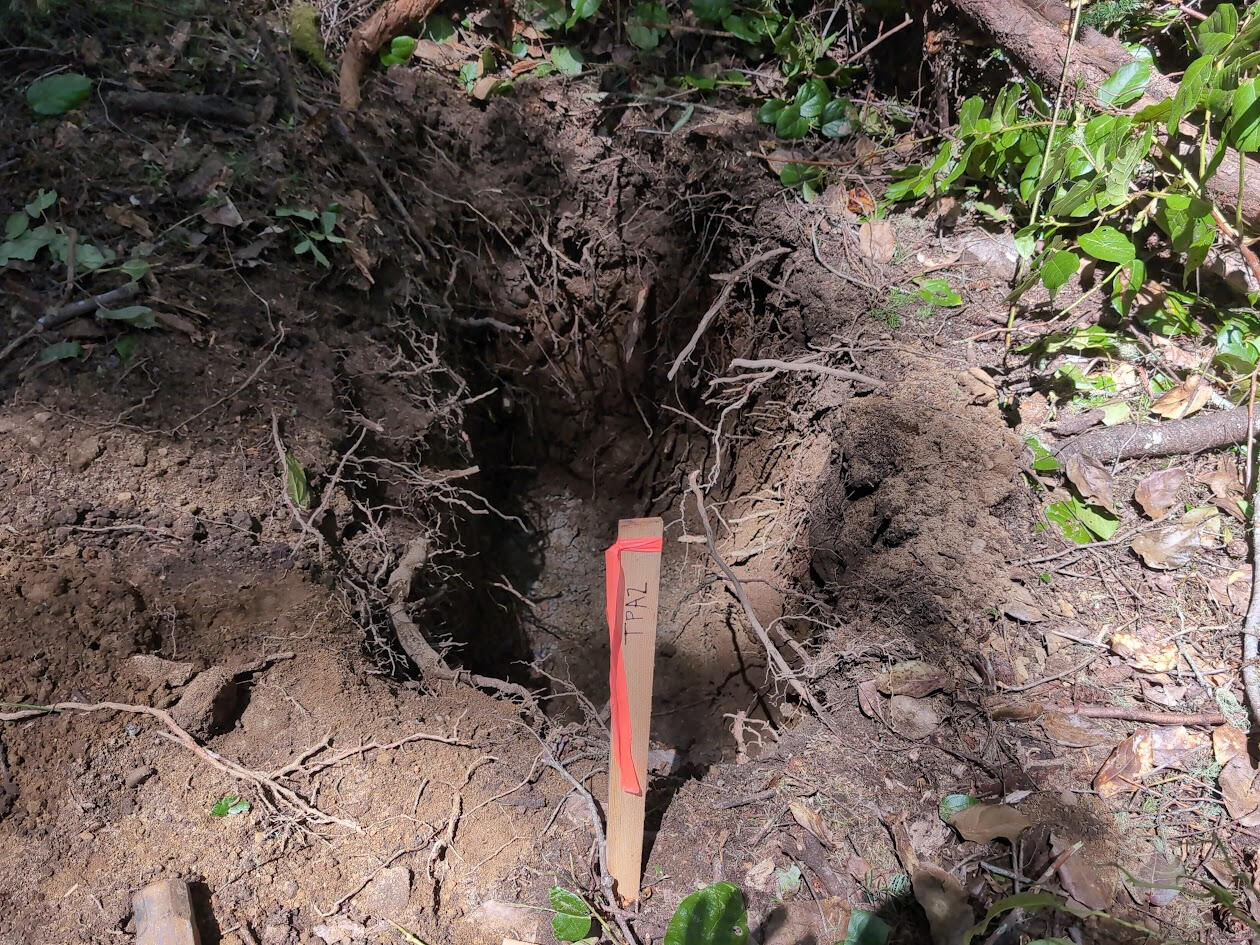
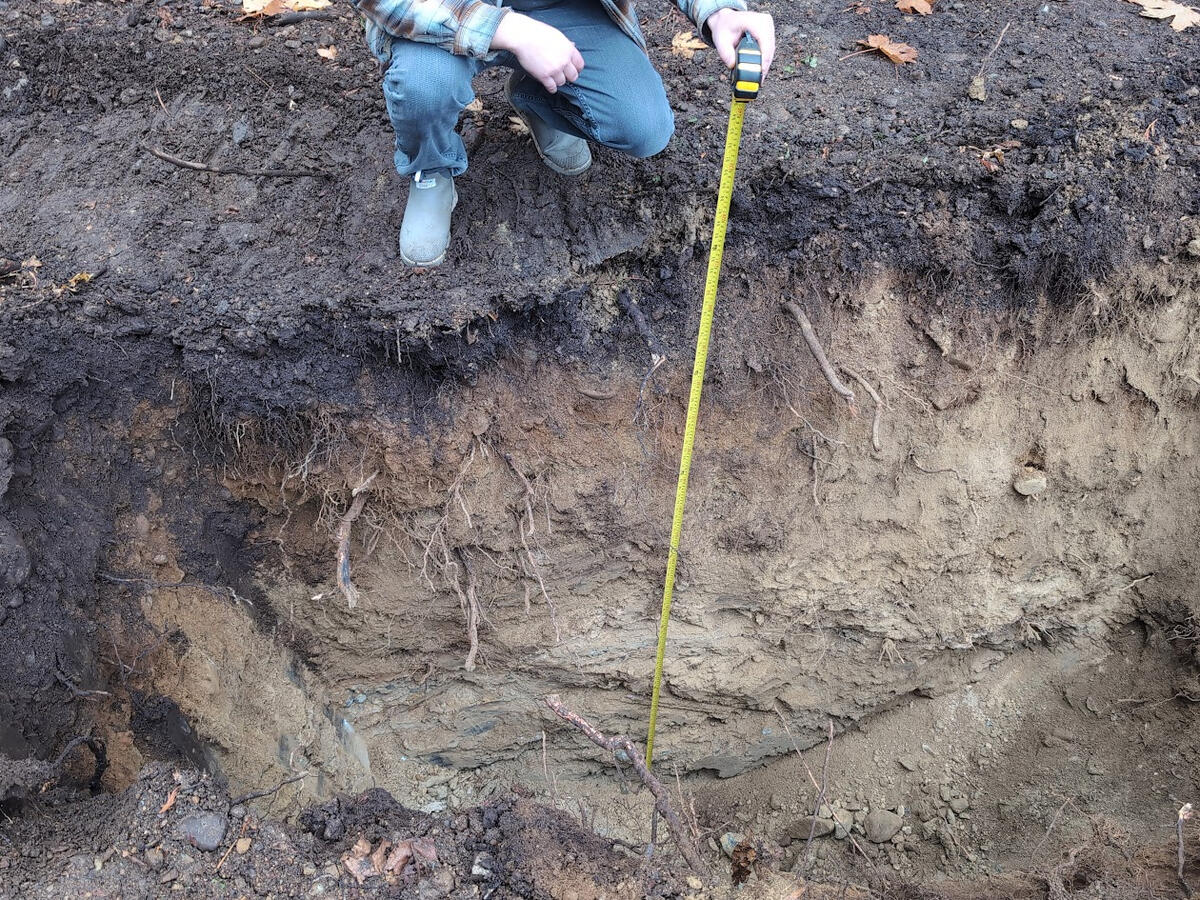
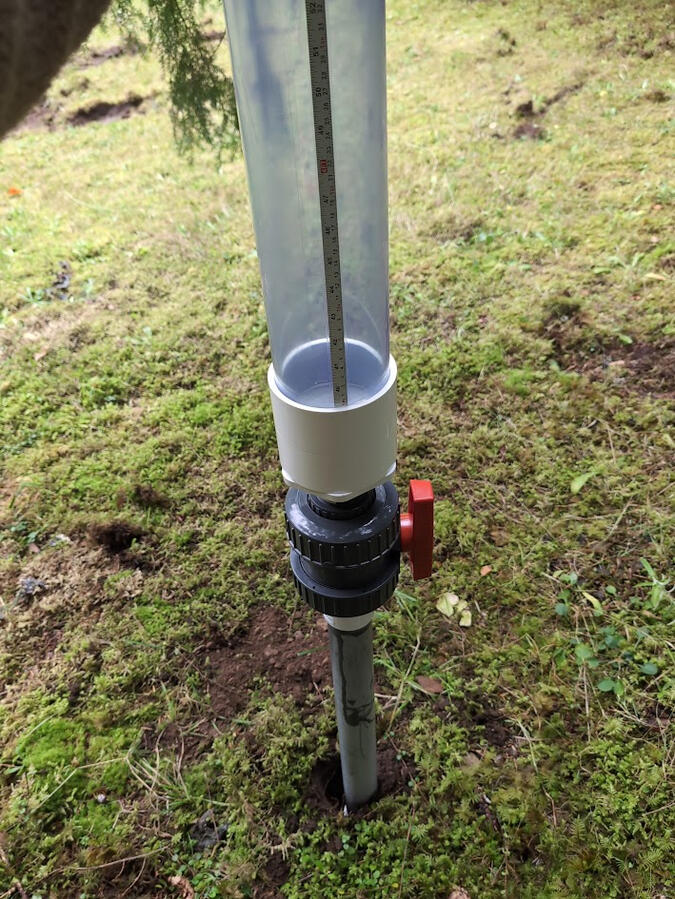
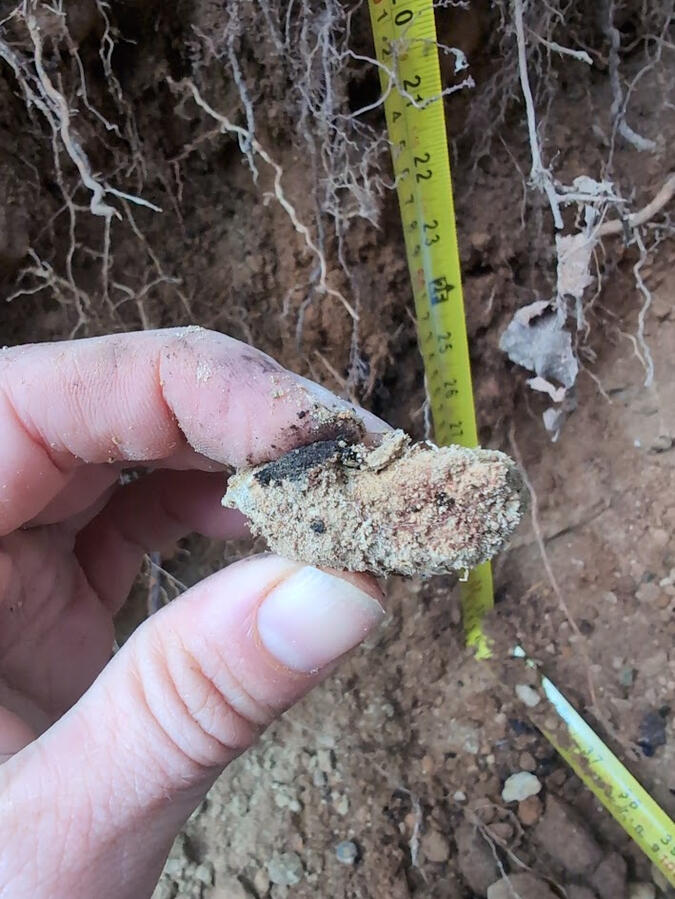
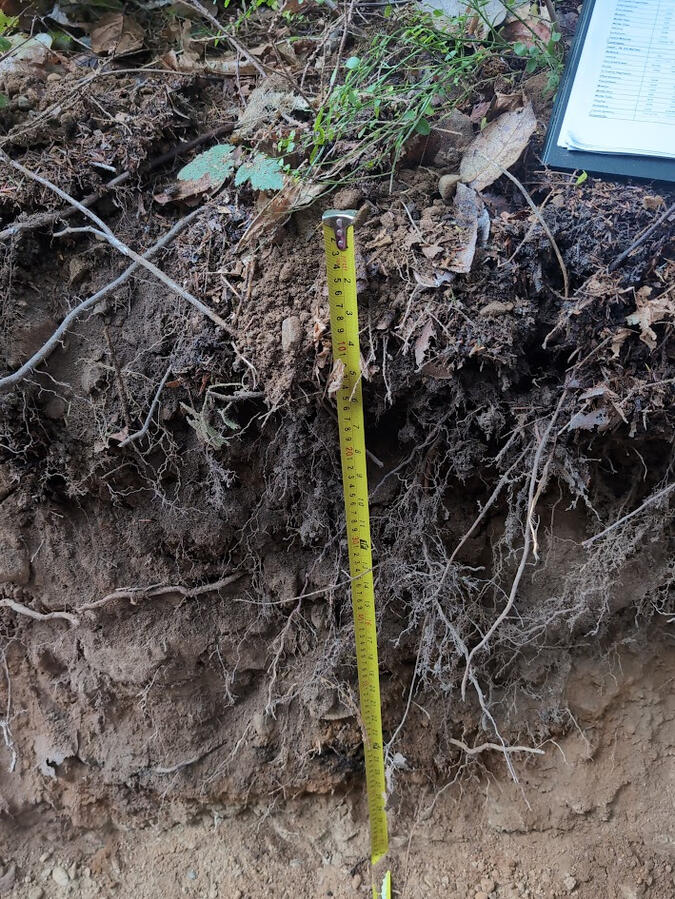
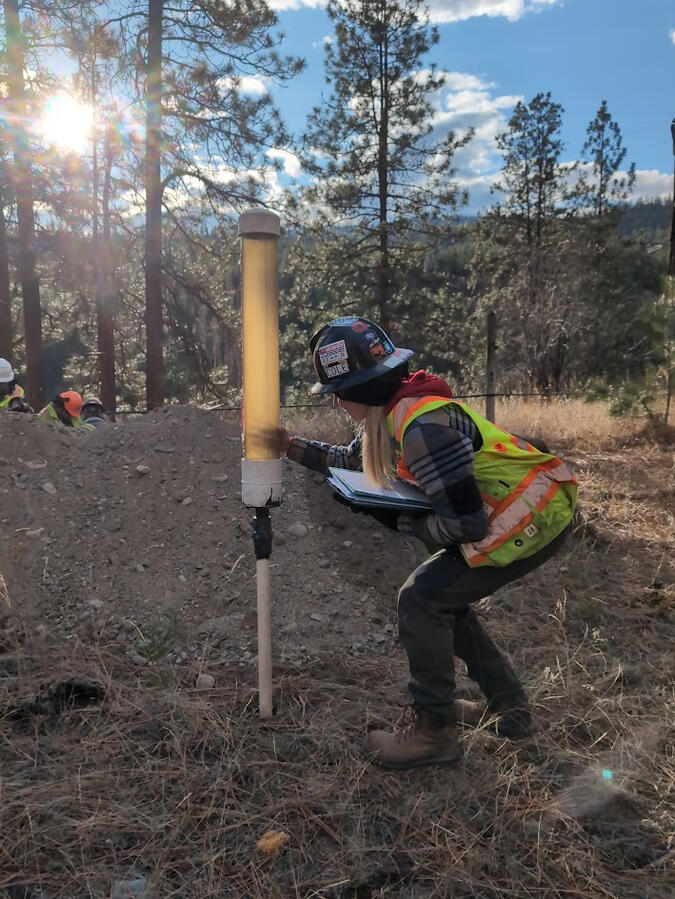
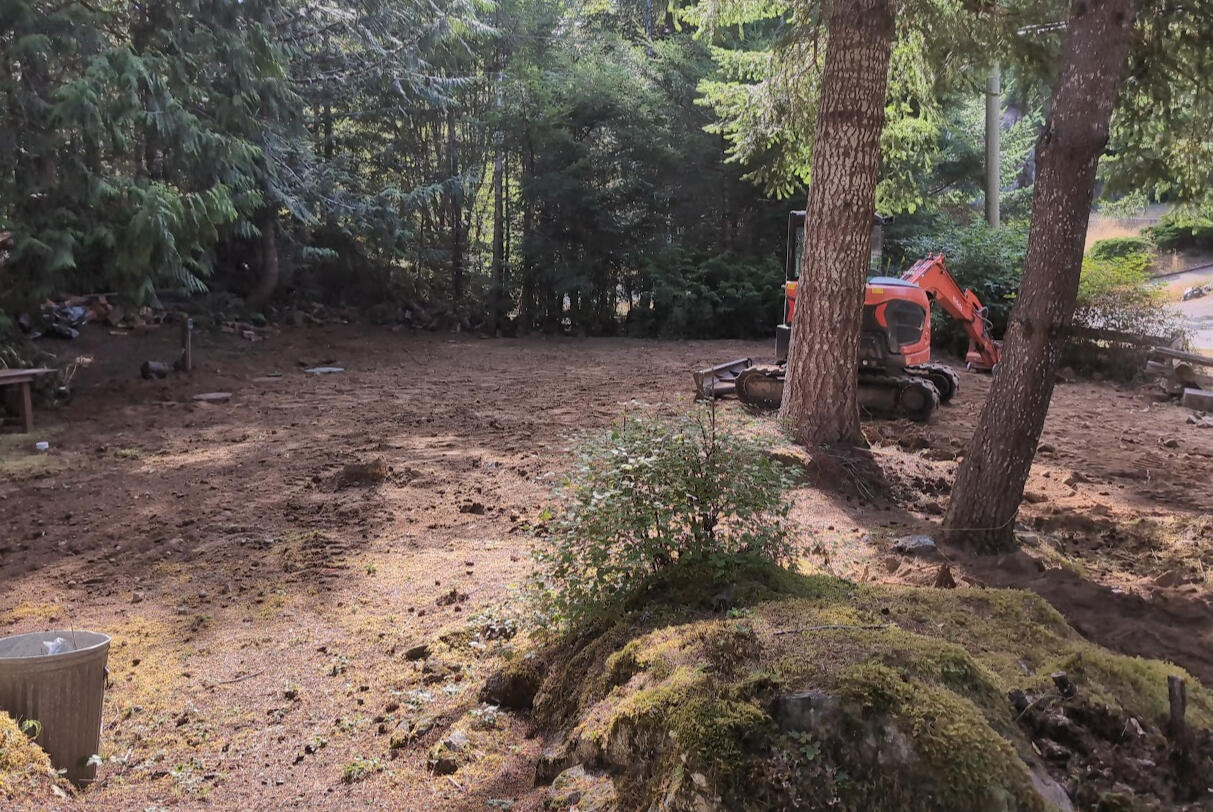
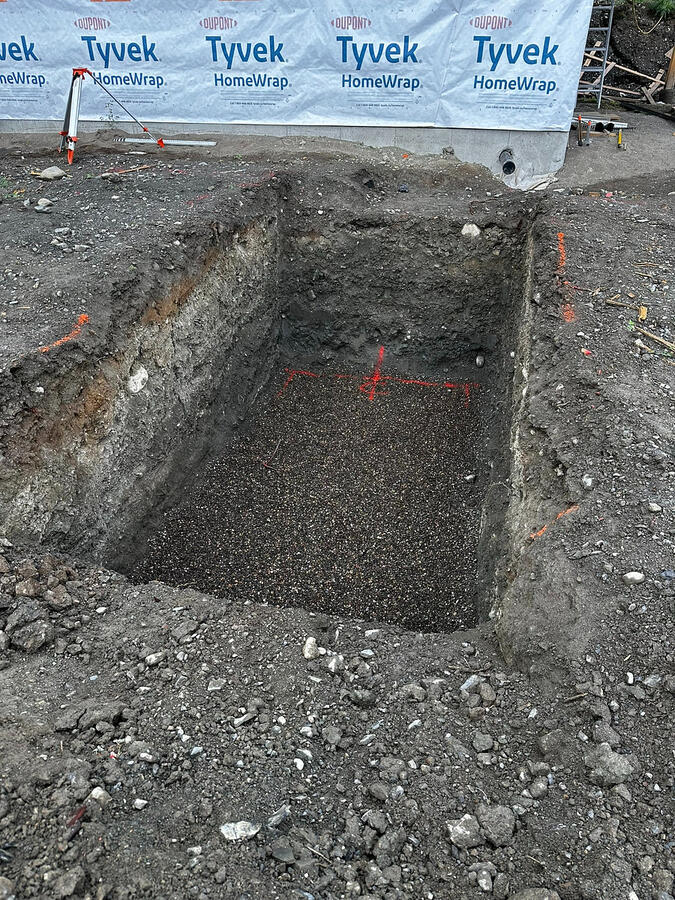
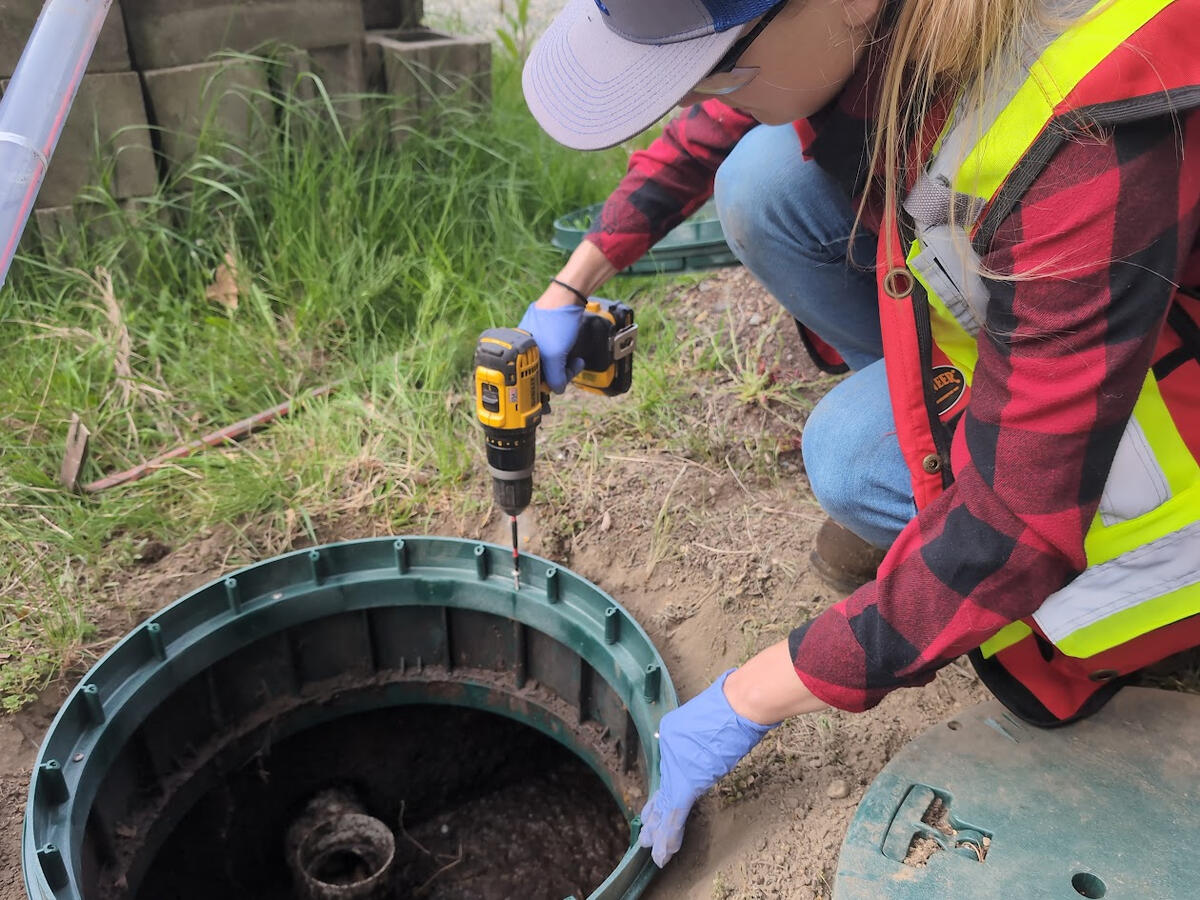
A Registered Onsite Wastewater Practitioner (ROWP) completes a site visit to assess property conditions. This includes excavating test pits (observation holes) to evaluate native soil depth and characteristics, and performing percolation tests to assess soil absorption rates.
All variables are documented and form the technical foundation for system design.

Step 3: Customized System Design

Using site assessment data, we develop your site-specific septic system design. Each design is customized to meet your needs and is in compliance with BC’s Sewage System Regulation (SSR) and the Ministry of Health Standard Practice Manual.
Design considerations include soil conditions, setbacks, slopes, treatment level, well locations, easements/covenants, available area for dispersal, future use, and long-term performance.

Step 4: Design Review & Installation Planning

We review the proposed design with you in detail, explain how the system works, and walk through the installation process. An installation estimate is provided, and any questions or adjustments are addressed before moving forward.

Step 5: Filing with Health Authorities

Once the design and estimate are approved, the ROWP prepares and submits the sewerage system filing to the local Health Authority. This filing documents the system design and confirms regulatory compliance prior to construction. This is an important requirement for building permit approval.

Step 6: System Installation

Installation is completed in accordance with the approved design, meeting the BC's Sewage System Regulation and the Ministry of Health Standard Practice Manual. The ROWP provides oversight throughout the process to ensure the system meets all regulatory and design standards.

Step 7: Testing, Certification & Documentation

After installation, the system is inspected and tested. We provide you with:

  • System drawings and specifications

  • A custom maintenance plan specific to your system

  • Documentation for your records and future reference

The ROWP then certifies the system with the Health Authority, completing the process for legal occupancy.

From initial consultation to final certification, our process is designed to provide clarity, compliance, and the best long-term system performance.


Frequently Asked Questions

How often should my septic system be inspected or maintained?
Most residential septic systems should be inspected and maintained annually, depending on system type, usage, and age. Regular maintenance helps identify issues early, ensures system components are functioning properly, and helps extend the life of the system.

Type 1 systems typically require annual maintenance, while Type 2 and Type 3 systems often require more frequent servicing — commonly 2 to 4 times per year. The required maintenance frequency is outlined in your system’s maintenance plan, which is filed at the time of installation.

If you cannot locate your maintenance plan, you can request a copy from your local health authority for a small administrative fee (often around $50).
How often does a septic tank need to be pumped?
Most septic tanks require pumping every 3–5 years. Pumping frequency depends on tank size, household water use, and overall system maintenance. Pumping removes accumulated solids but does not replace the need for regular maintenance or system assessments.
What are the warning signs of septic system problems?
Common warning signs include slow drains, sewage odours, unusually green or wet areas over the drainfield, gurgling plumbing, or sewage backups. If you notice any of these symptoms, it’s best to have the system assessed before the issue worsens.
Can I drive or park over my septic system?
No. Driving or parking over a septic tank or drainfield can compact soil, damage pipes, and significantly shorten the lifespan of the system. Septic areas should remain free of vehicles, heavy equipment, and structures.
What can't I put down my drains or toilets?
Do not flush wipes (including “flushable” wipes), feminine hygiene products, grease, oils, food waste, chemicals, or harsh cleaners. These materials can damage system components and disrupt the biological treatment process.
Do I need a permit to install or repair a septic system?
In British Columbia, septic systems require a filing prepared by an Authorized Person. An Authorized Person may be a Registered Onsite Wastewater Practitioner (ROWP) or a Professional Engineer with declared competency in sewage systems.

The filing is submitted to the local health authority prior to construction, repair, or alteration. Installations, alterations, and repairs MUST comply with BC’s Sewage System Regulation and the Ministry of Health Standard Practice Manual.

Working with a qualified practitioner ensures your system is properly designed, filed, and installed in accordance with the regulatory requirements, supporting a smooth approval process and long-term system performance.
How long does a septic system last?
With proper design, installation, and maintenance, a septic system can last 25–40 years or more. Neglect, poor site conditions, or improper use can significantly reduce system lifespan.
What’s included in a septic site assessment?
A site assessment typically includes soil evaluation, test pits, review of setbacks and site constraints, well and waterbody locations, easements / covenants, Development Permit Areas (DPA's), Official Community Plans (OCP's) and identification of suitable system options. This information is factored in to determine the most appropriate septic design for the property.
Can a septic system be upgraded or repaired instead of replaced?
In some cases, yes. Targeted repairs or upgrades can address specific issues and extend system life. A professional inspection / assessment is required to determine whether repair, upgrade, or full replacement is needed.
What is a septic performance inspection for real estate transactions?
A septic performance inspection is commonly requested as a subject pending purchase or sale of a property to assess the current condition, performance and location of an existing septic system.

The inspection includes a review of available records, an on-site assessment of system components, verification of system location, and evaluation for visible signs of malfunction.

Performance inspections provide a snapshot of system operation at the time of inspection and include a written report with a site schematic showing system location for future reference.
What is the septic process for subdivisions?
Septic feasibility is assessed early in the subdivision process to confirm each proposed lot can support both a primary and reserve septic system, this is a requirement for subdivision.

Following submission to the Approving Officer, applications are referred to Island Health for technical review. As ROWPs, we complete site inspections for each proposed lot. This includes soil testing, percolation testing, and the evaluation of site conditions.

We coordinate with the Environmental Health Officer (EHO), who reviews the assessment and inspects test pits and percolation holes. A BC Land Surveyor prepares the subdivision plot plan, with septic information shown in conjunction with the survey.

Based on agency input, the Approving Officer may issue Preliminary Layout Approval (PLA), request revisions, or decline the application. Final approval occurs once all conditions are satisfied and plans are registered with the Land Title Office.
What should I consider before adding a suite, Airbnb, or increasing occupancy?
Adding a suite, short-term rental, or additional bedrooms will increase the wastewater load on your septic system. If the system is not designed for the increased use, it can become overloaded, leading to poor performance and early system failure.

Before making changes, it’s important to confirm whether your existing system can safely handle the increased load. The involvement of an Authorized Person (ROWP) is required to assess the system and design upgrades or modifications that match the anticipated use.

Increased occupancy often requires some level of system upgrade unless the system was originally designed with future expansion in mind. Confirming septic capacity early helps support building permits, suite approvals, future property sales, and helps avoid costly issues or delays.
(function () { const wrap = document.getElementById('faq-accordion'); if (!wrap) return; const items = Array.from(wrap.querySelectorAll('details')); items.forEach((d) => { d.addEventListener('toggle', () => { if (!d.open) return; items.forEach((other) => { if (other !== d) other.removeAttribute('open'); }); }); }); })();